Actinomycosis is a serious bacterial infection in dogs that can cause abscesses, tissue damage, and systemic complications. It often starts after wounds,…

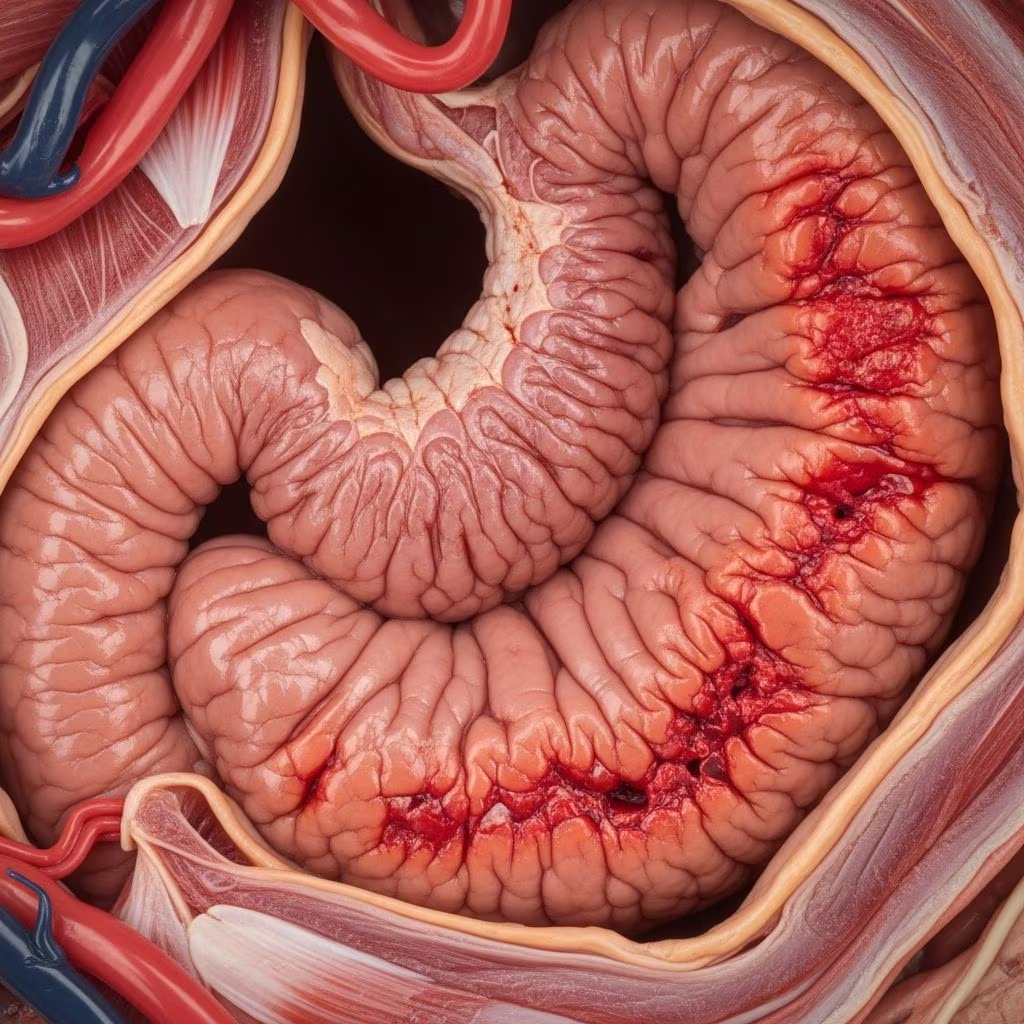
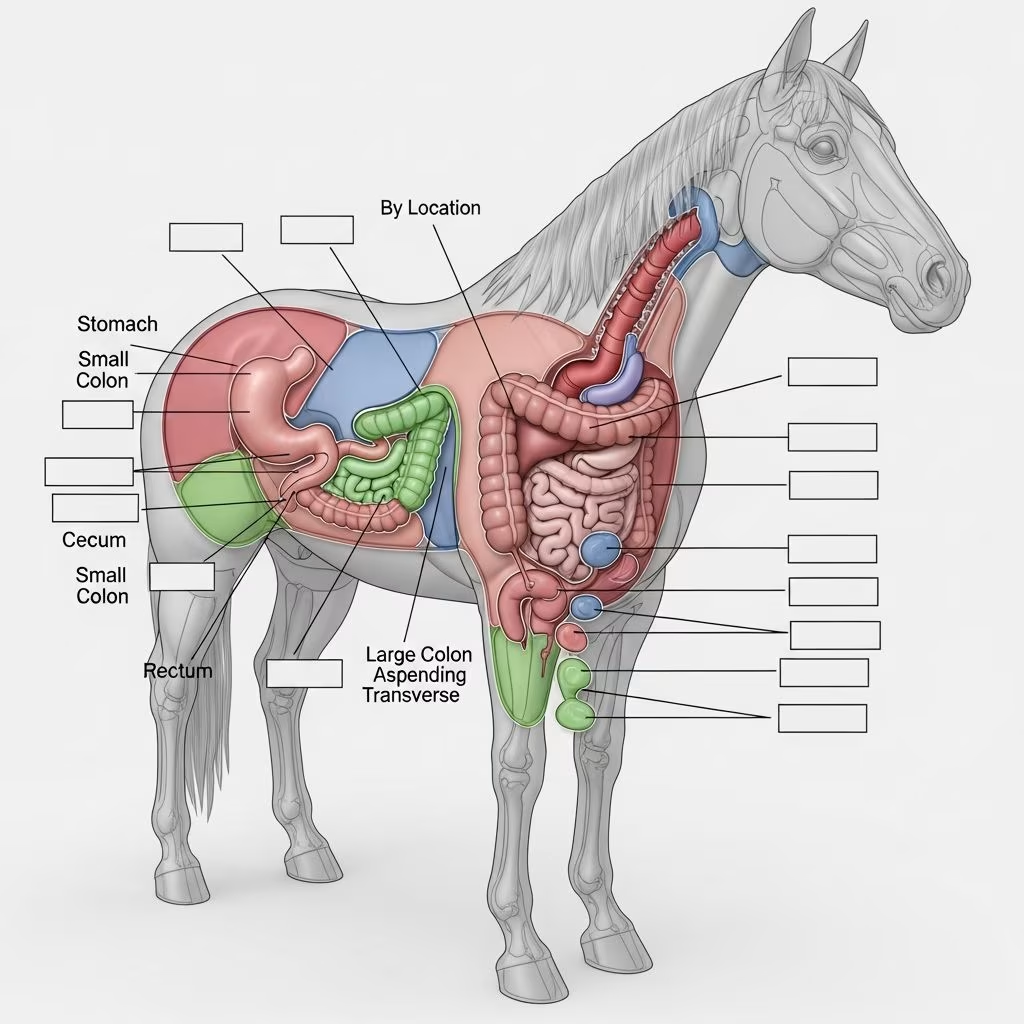
Clostridial enterocolitis is a serious equine gastrointestinal disease caused mainly by Clostridium perfringens and Clostridium difficile. It can progress rapidly, causing diarrhea,…
Cryptosporidiosis is a widespread parasitic intestinal disease affecting livestock, poultry, horses, and companion animals worldwide. It spreads easily through contaminated feces, water,…
Congenital oral birth defects in animals can affect the lips, palate, teeth, tongue, and surrounding structures. Severity ranges from minor cosmetic issues…
Salmonella can cause diarrhea, fever, poor growth, and severe systemic disease in pigs, especially after weaning. Accurate diagnosis, targeted treatment, and strong…
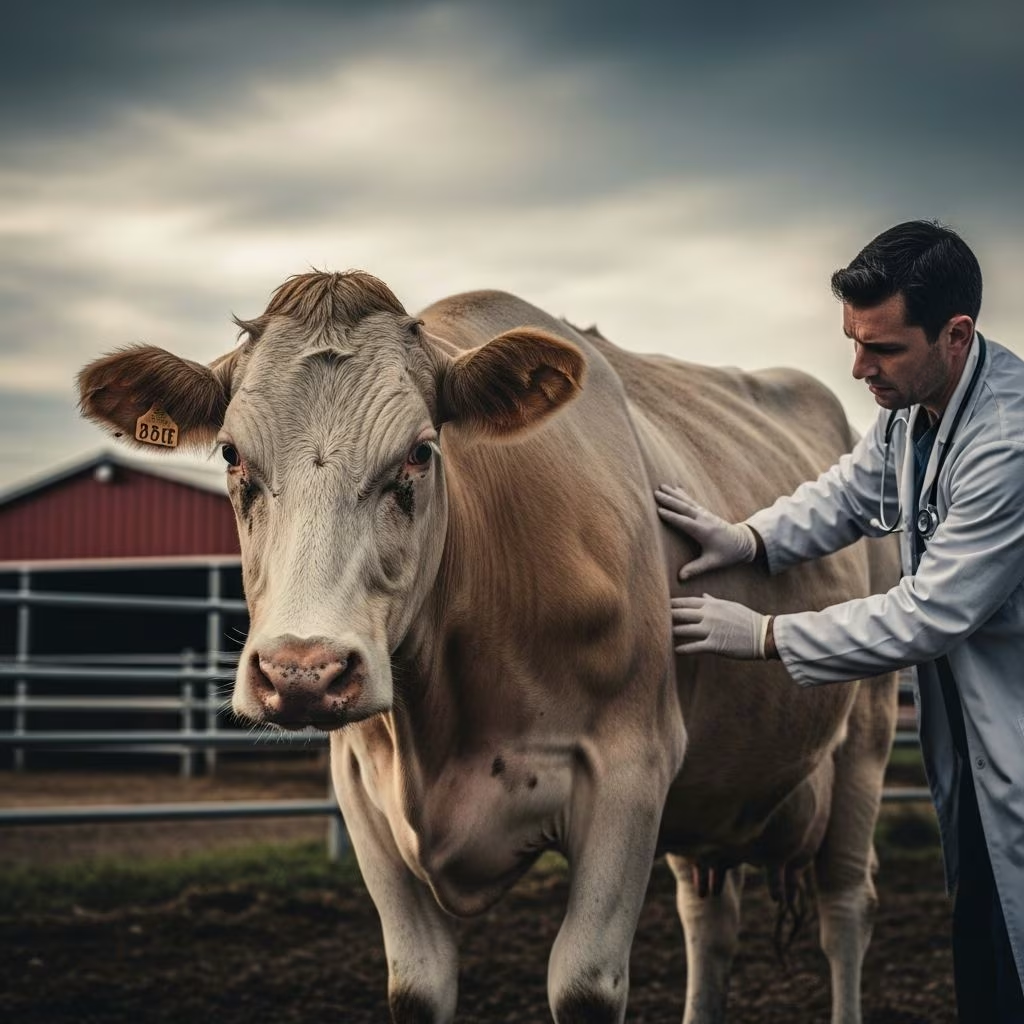
Chronic indigestion syndrome is a persistent digestive disorder in ruminants that reduces feed efficiency, weight gain, and milk production. It is often…
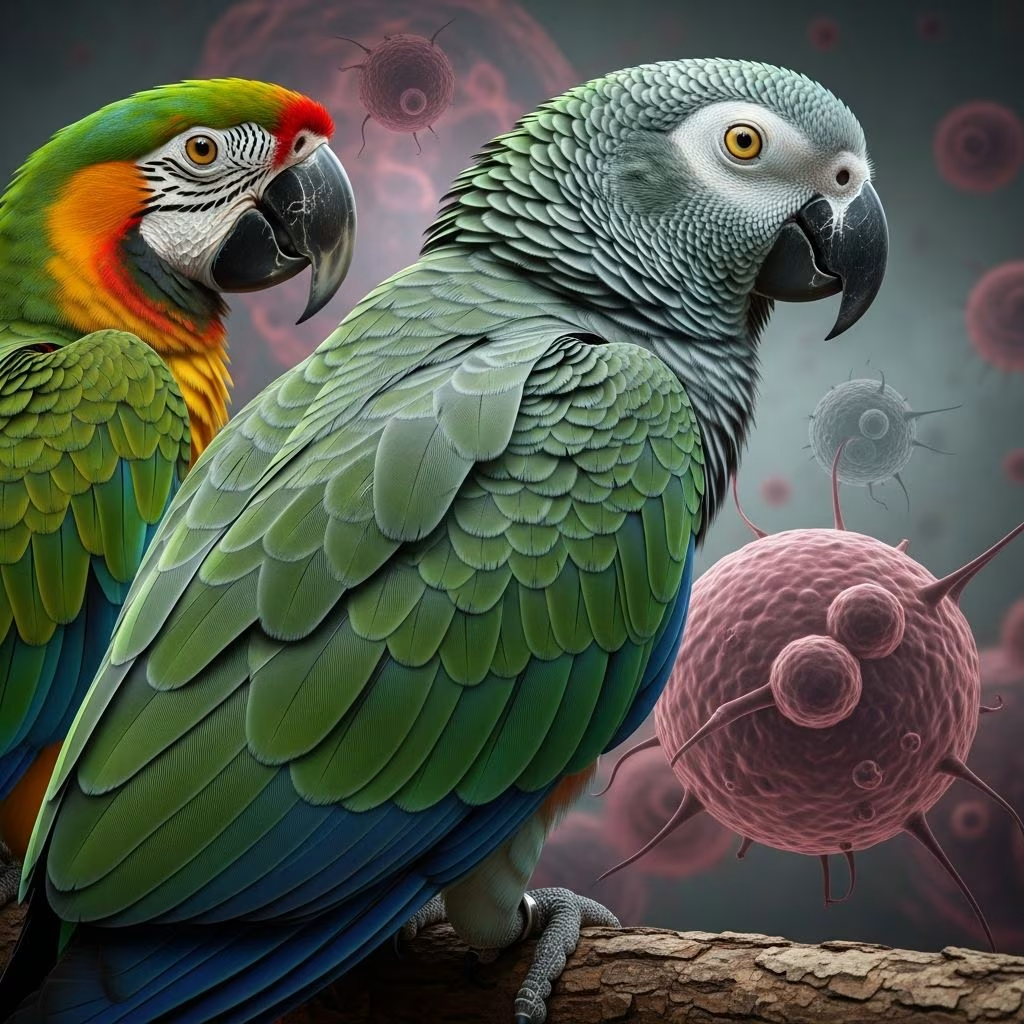
Companion birds can develop both benign and malignant tumors that affect health, behavior, and longevity. This guide explains common growths, warning signs,…
Zearalenone is a Fusarium mycotoxin that acts like estrogen and disrupts reproduction in livestock, especially swine. This overview covers contamination sources, clinical…
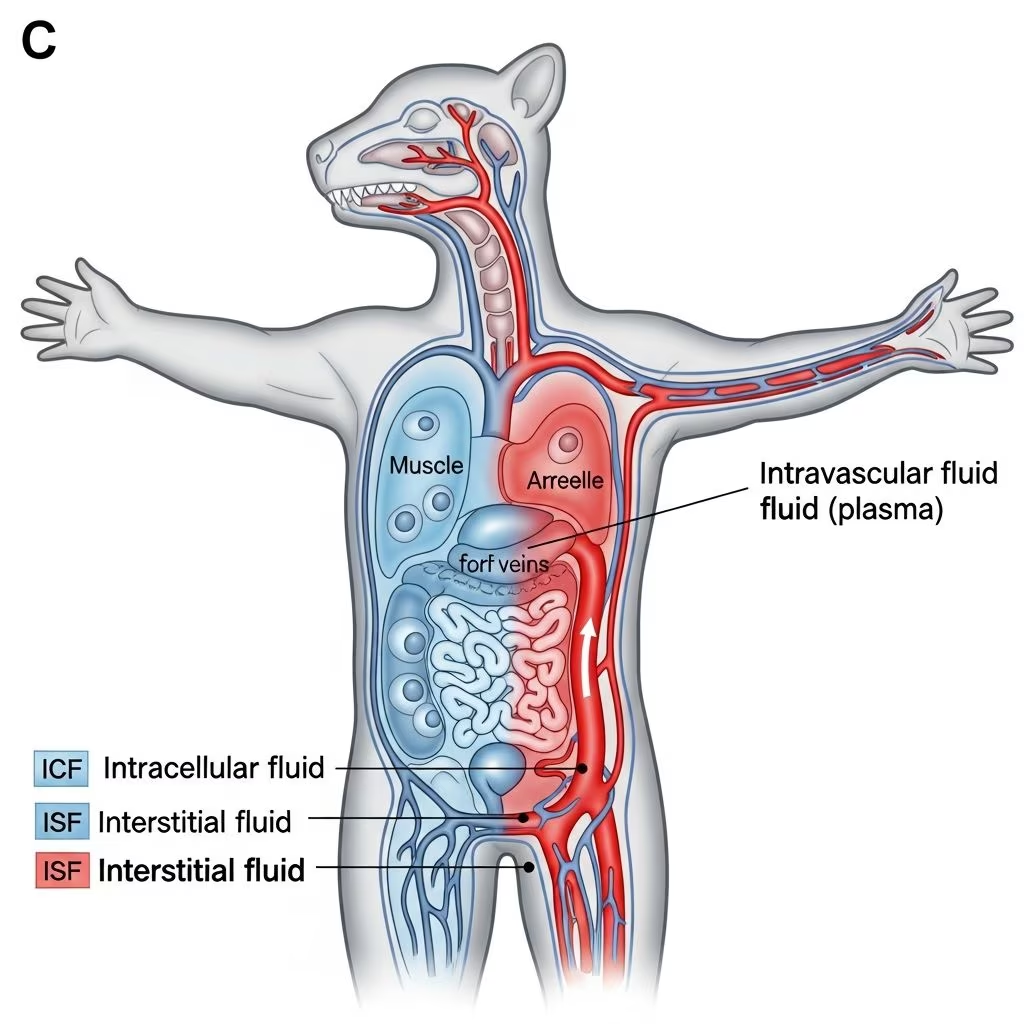
This guide explains the physiology of fluid compartments in dogs and cats, including intracellular, interstitial, and intravascular spaces. It also covers the…
Reptiles can develop respiratory, skin, digestive, metabolic, and parasitic disorders when husbandry is poor. This guide explains the warning signs, treatments, and…