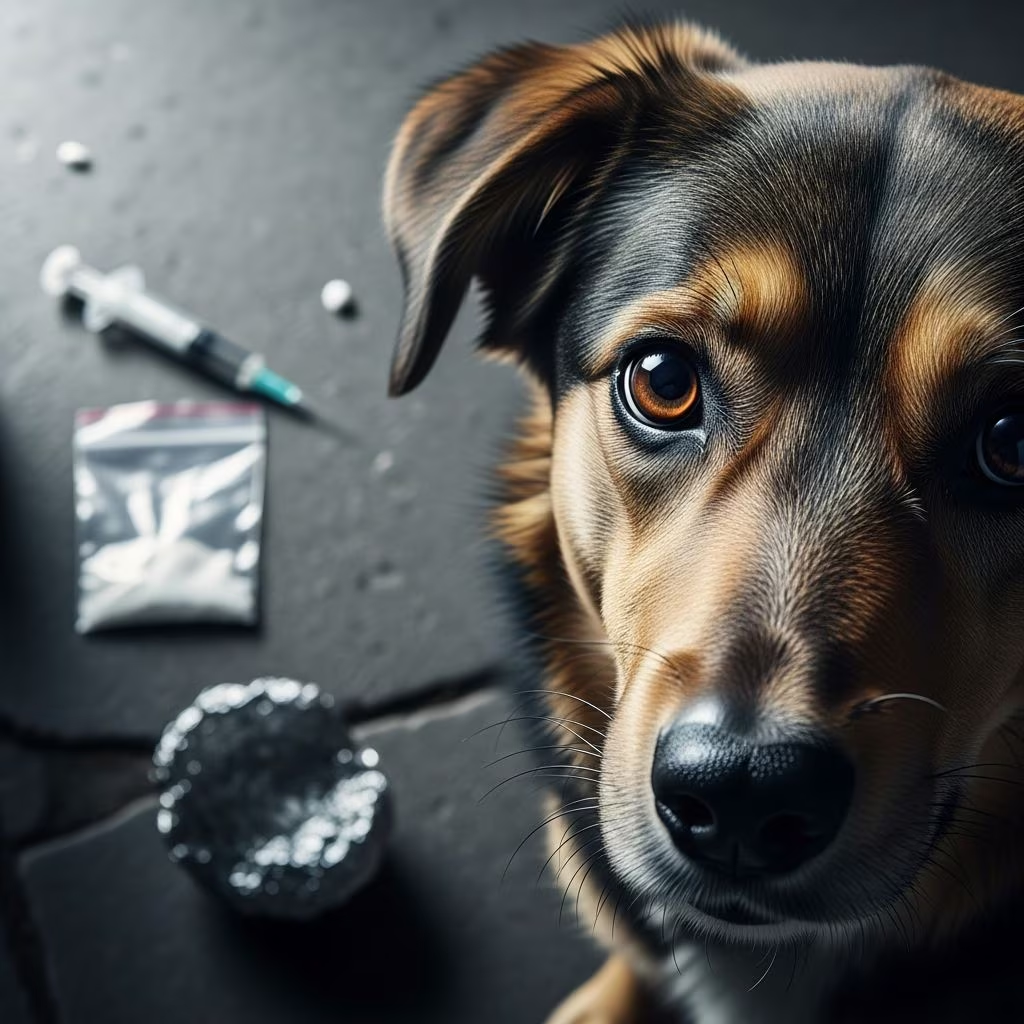
Pets can be exposed to illicit drugs through ingestion, inhalation, or skin contact, leading to serious and fast-moving emergencies. This guide explains…

Equine viral arteritis (EVA) is a contagious horse disease that can affect the respiratory, vascular, and reproductive systems. It is especially important…
Sinusitis in cattle most often follows dehorning or other infections that affect the frontal sinuses. Early diagnosis, trephination, antibiotics, and preventive herd…
Veterinarians play a critical role in One Health by preventing zoonotic disease, supporting food safety, and protecting ecosystems. Their work links animal…
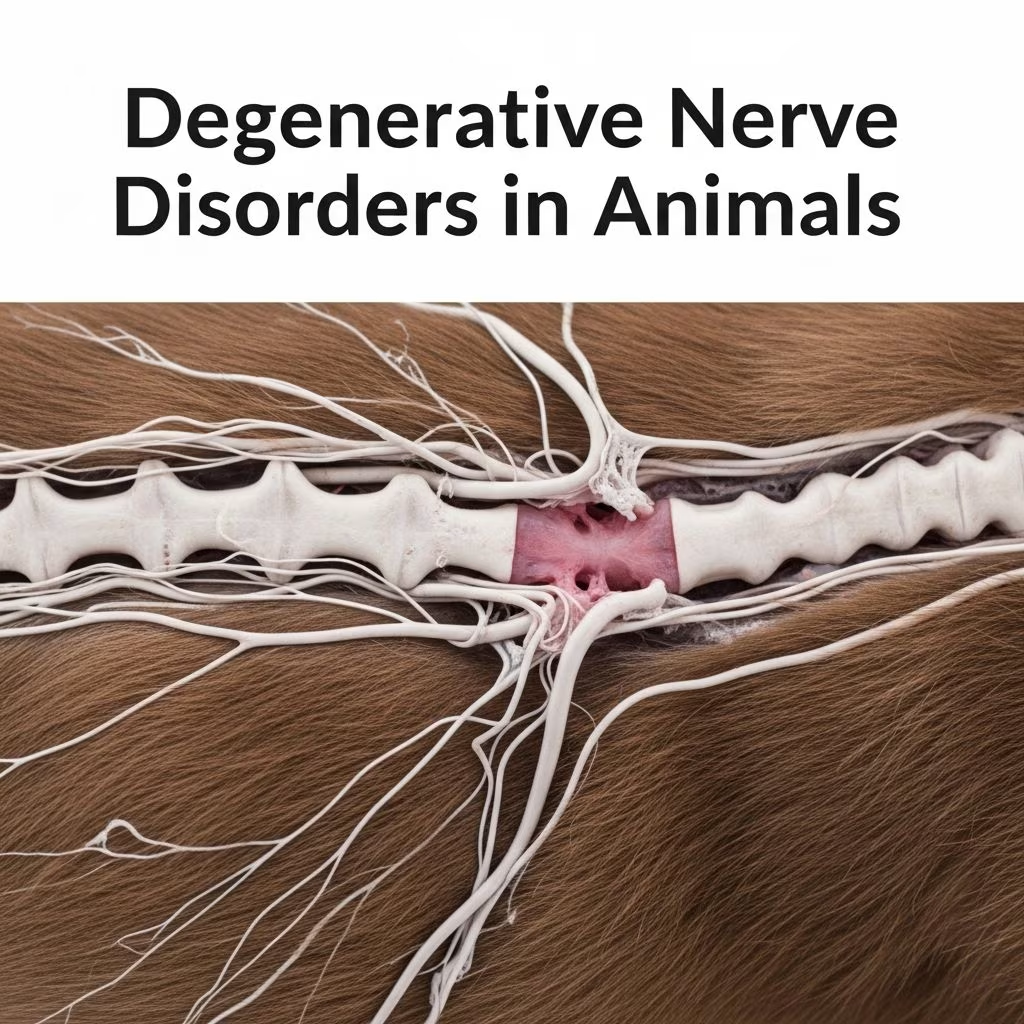
Degenerative neuropathy affects peripheral nerves and can cause weakness, poor coordination, muscle wasting, and breathing problems in dogs. This guide covers common…
Leporine dysautonomia is a rare, idiopathic neurological disorder that causes progressive autonomic failure in rabbits and hares. It leads to severe weight…
Antiseptics and disinfectants are essential for preventing infection in veterinary settings. This guide explains how they work, when to use each type,…
Polymyxins are polypeptide antibiotics used in veterinary medicine against specific Gram-negative bacterial infections. This guide covers their mechanism, animal uses, dosing considerations,…