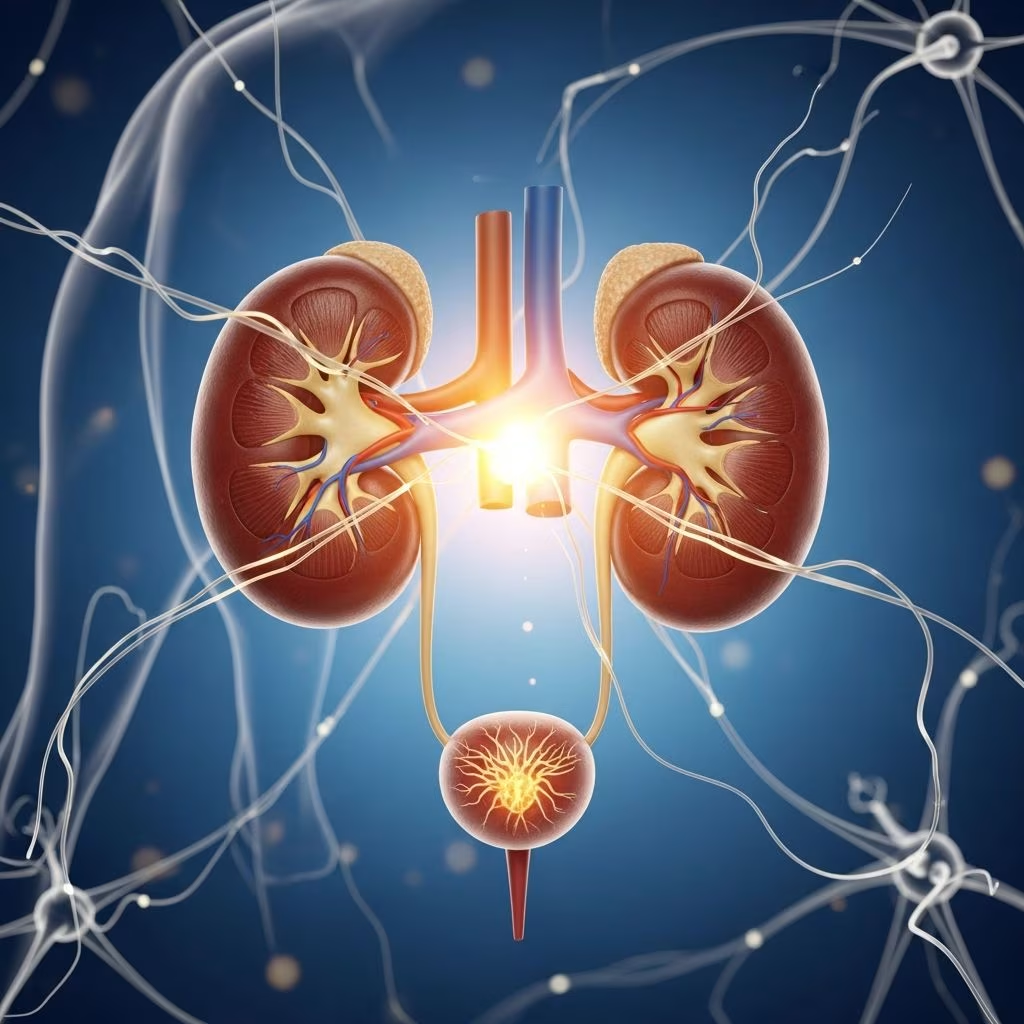
Dopamine is used in veterinary medicine to improve urine output and kidney perfusion, especially during acute renal crises. Its effects are dose-dependent…

Veterinary reproductive pharmacotherapy uses hormones and related drugs to manage breeding cycles, induce ovulation, control estrus, and address emergencies. It supports species-specific…
Toxic substances can damage the peripheral nervous system in animals, causing weakness, tremors, paralysis, and breathing trouble. This guide explains common toxins,…
Chemical residues from veterinary drugs, pesticides, and contaminants can enter meat, milk, eggs, and animal fibers. This guide explains safe limits, withdrawal…
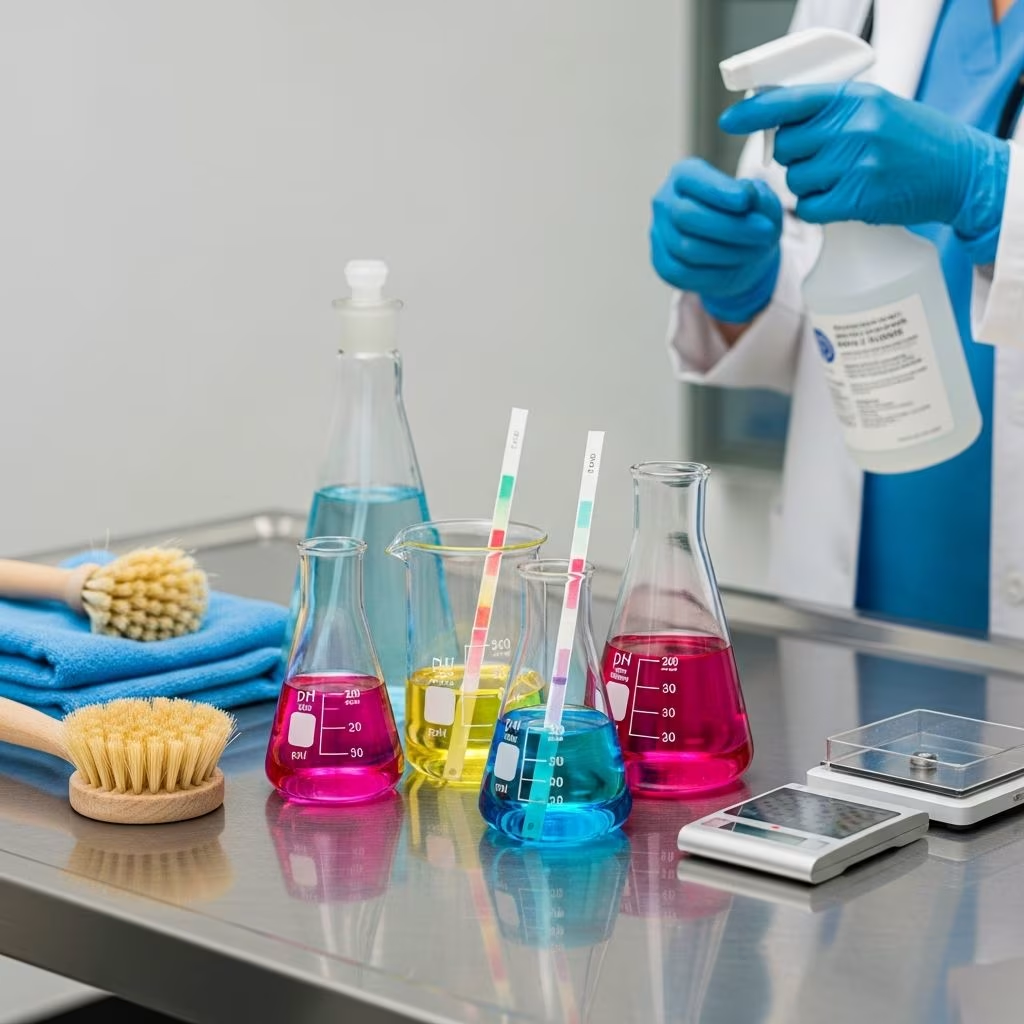
Acids and alkaline substances are used in veterinary medicine for wound care, antisepsis, and environmental disinfection. This guide explains how they work,…
This guide explains how veterinarians select antimicrobials based on mechanism, spectrum, safety, and pharmacokinetics. It also covers stewardship, resistance prevention, and One…
Reducing agents are powerful antiseptics and disinfectants used in veterinary medicine to control bacteria, viruses, fungi, and spores. This guide explains their…
Radial nerve paralysis in cattle causes dropped elbow, knuckling, and forelimb lameness after trauma or prolonged recumbency. This guide explains how to…
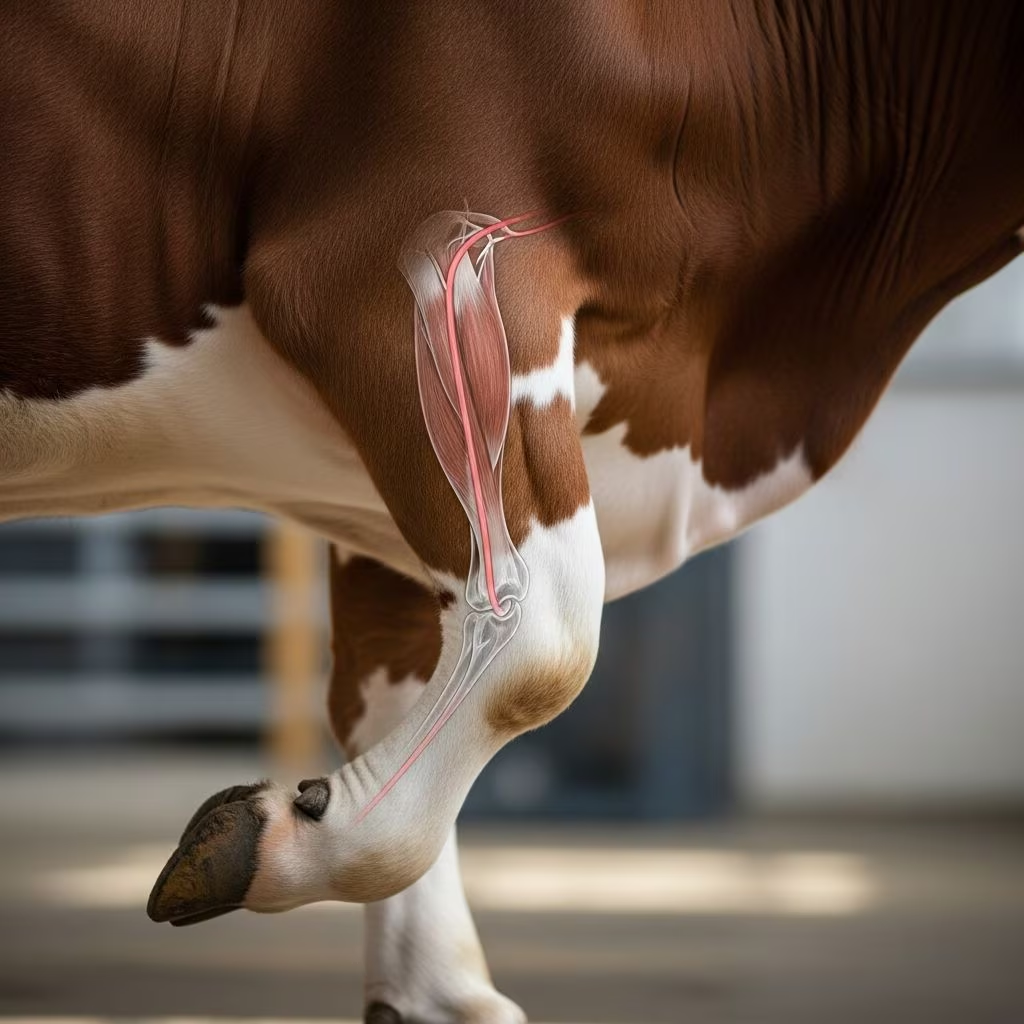
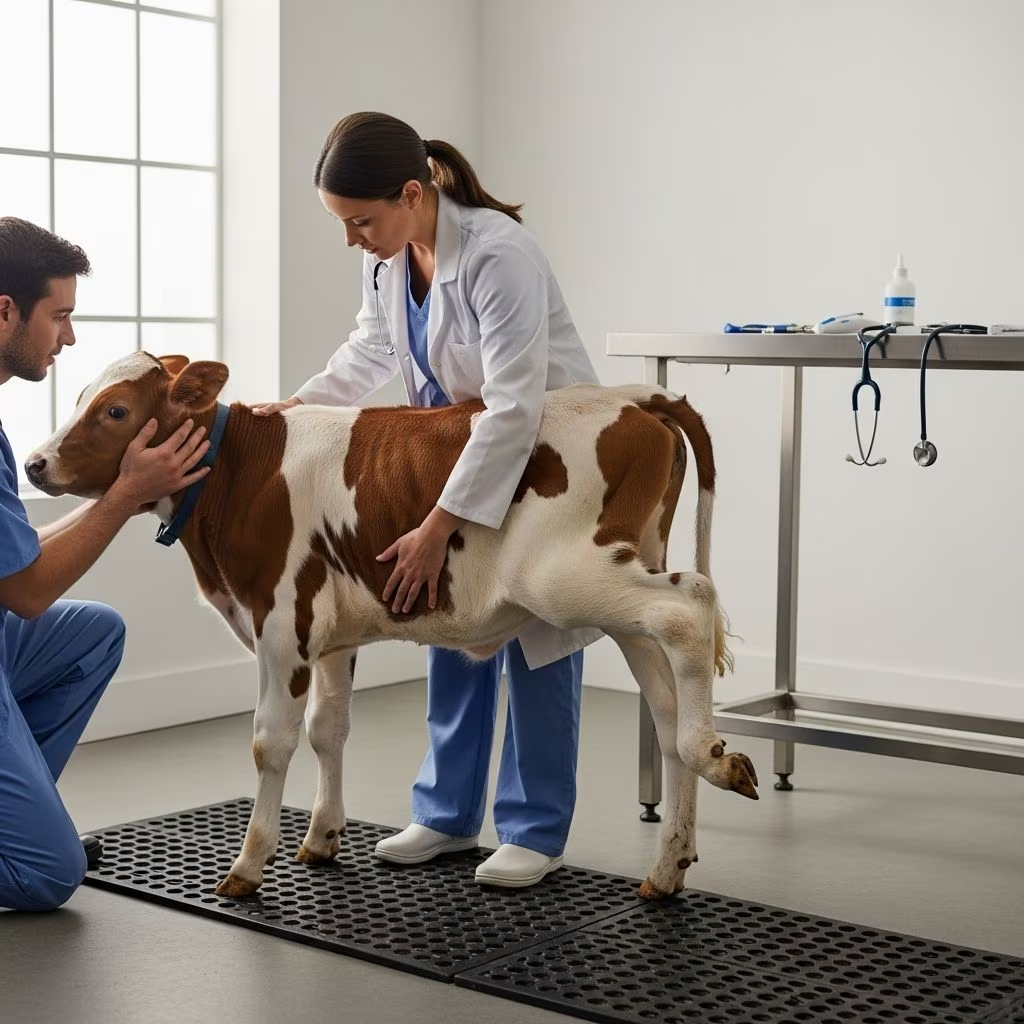
Bovine spastic paresis is a neuromuscular disorder in cattle that causes hindlimb stiffness, hyperextension, and impaired mobility. It can affect welfare, productivity,…
Large animals can develop congenital and inherited musculoskeletal disorders that affect growth, mobility, and productivity. This guide covers common limb deformities, skeletal…