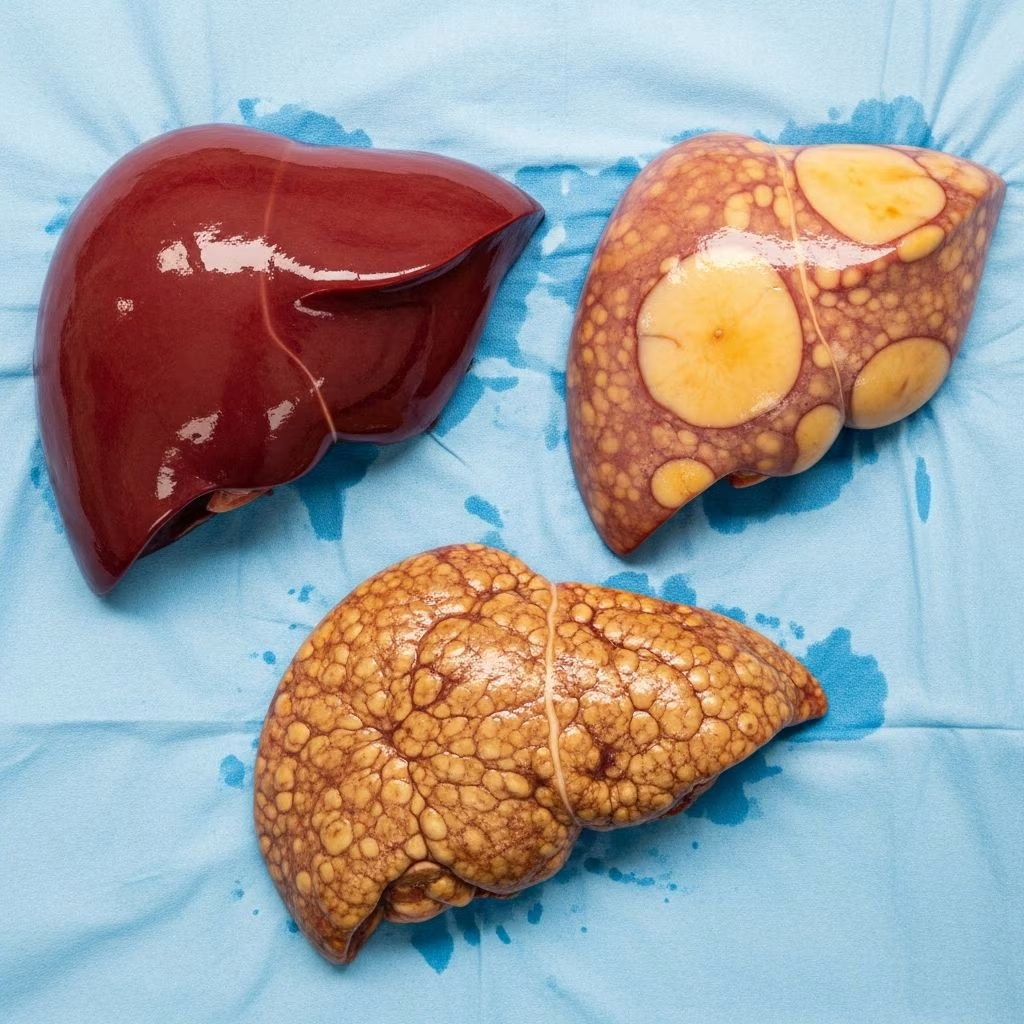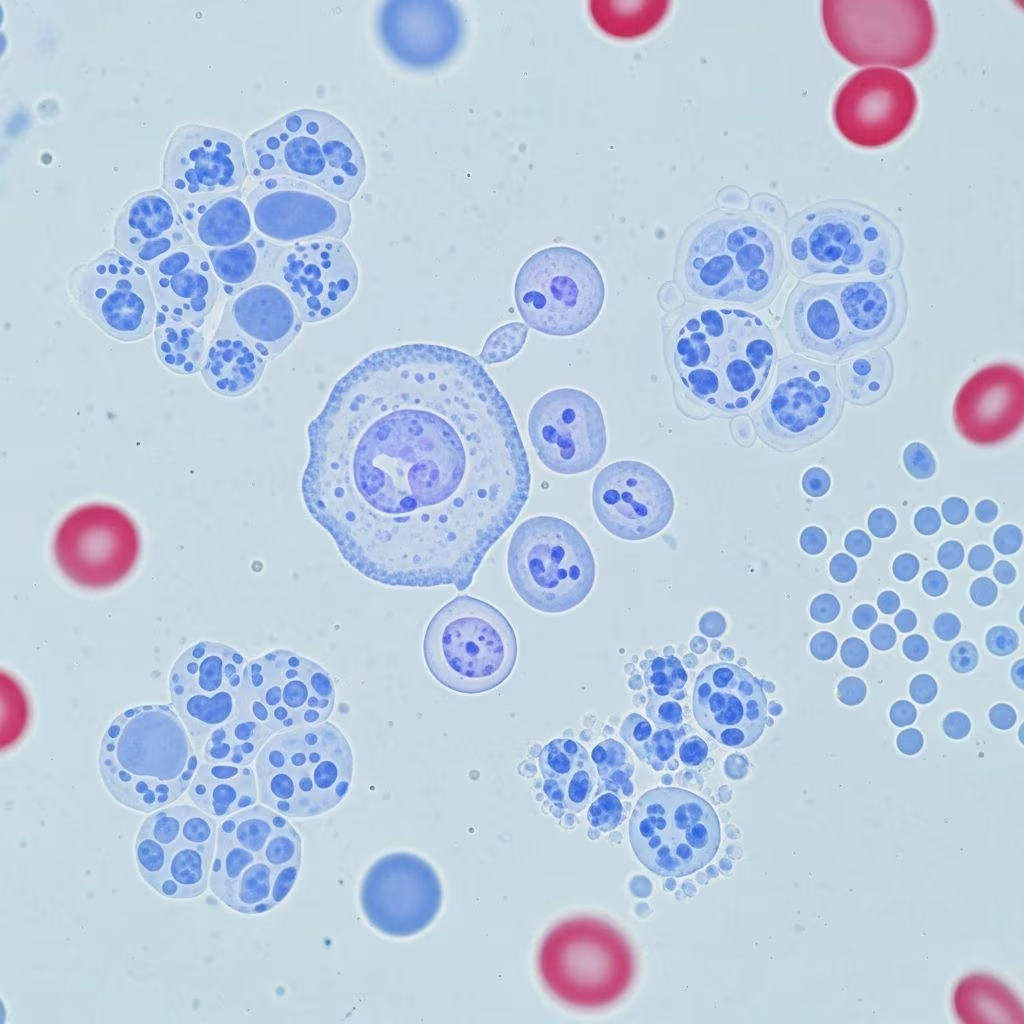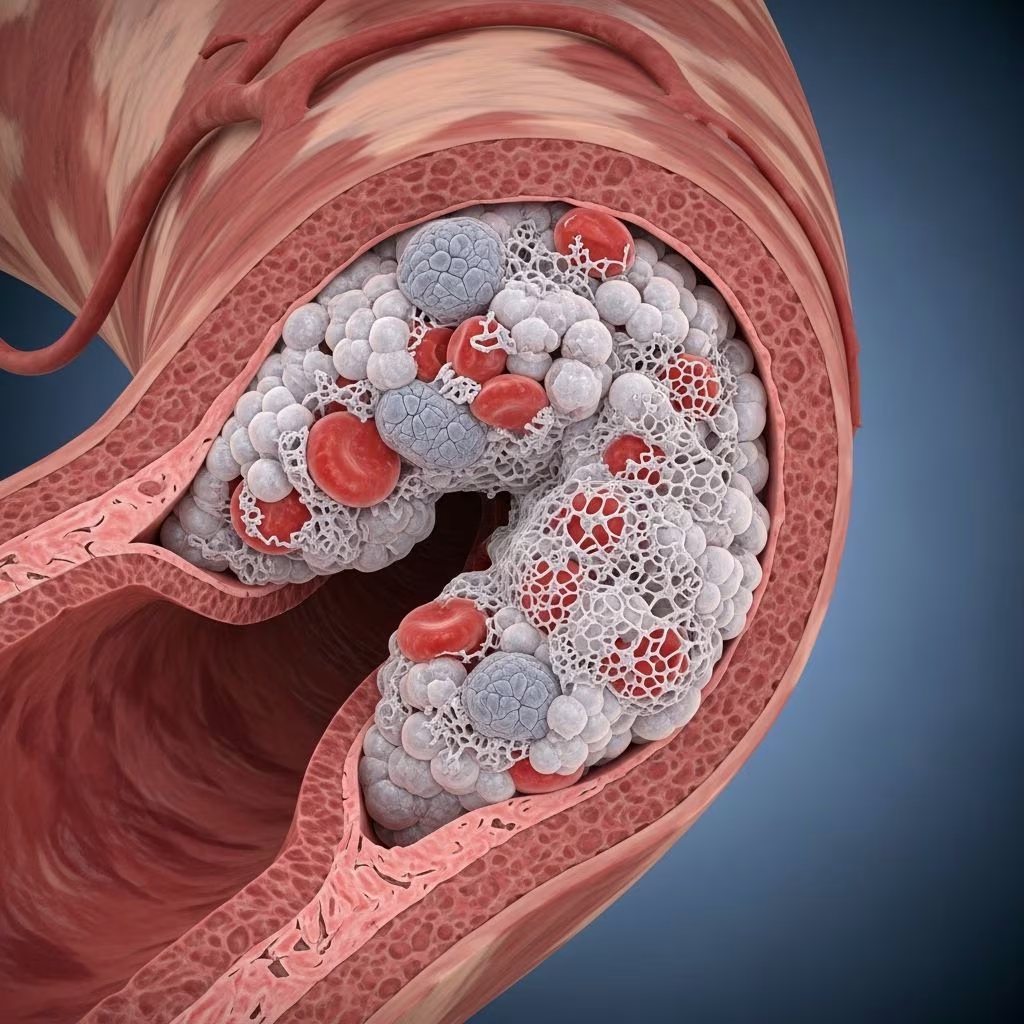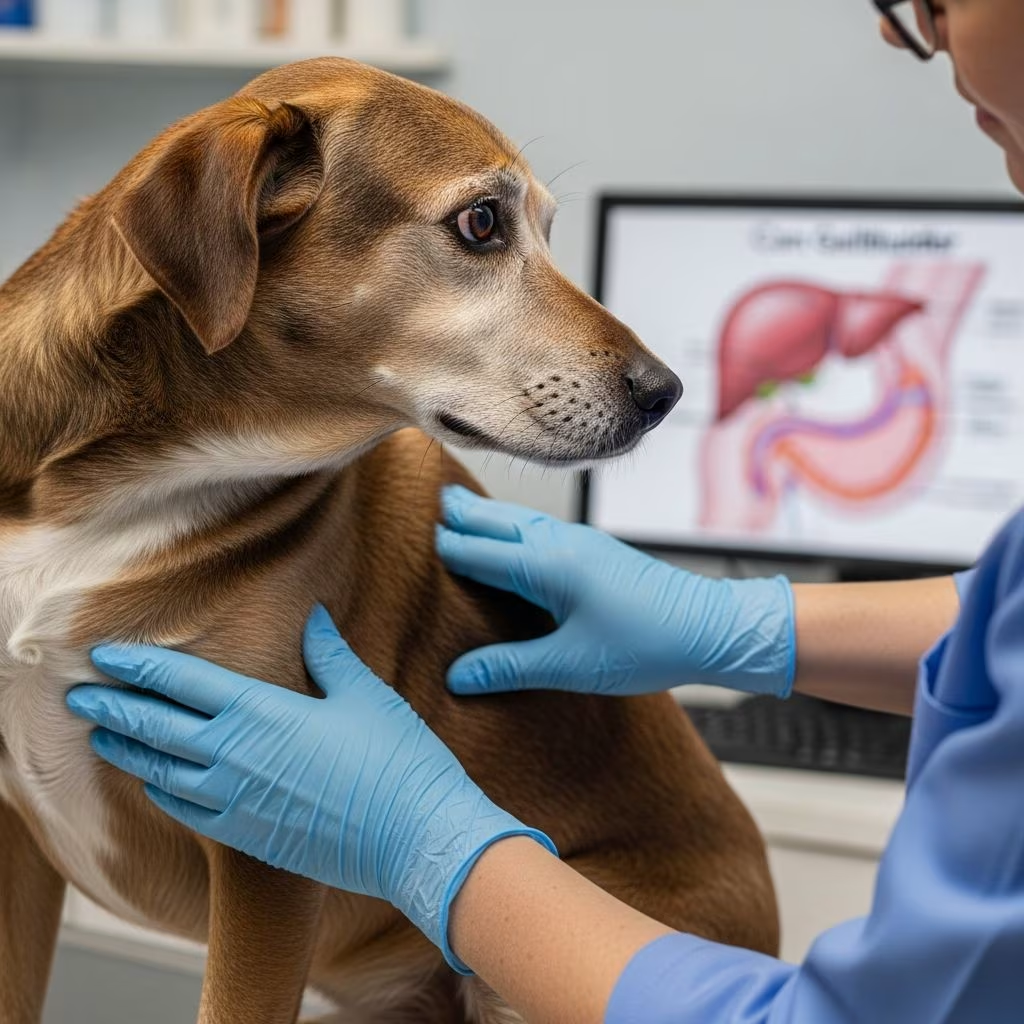
Hepatobiliary disease can cause vague symptoms in dogs and cats, from appetite loss and vomiting to jaundice and seizures. Early recognition, testing,…

Hyperbilirubinemia in large animals causes jaundice and can stem from hemolysis, liver disease, or bile obstruction. Horses, cattle, sheep, and goats differ…
Large animals can develop uncommon liver disorders caused by toxins, parasites, infections, nutrition issues, or congenital defects. Early signs like jaundice, weight…
Gastrointestinal parasites can reduce growth, harm organ health, and increase mortality in swine herds. This guide covers the major parasites, clinical signs,…
Rectal and anorectal strictures are rare but serious veterinary conditions that narrow the bowel and make defecation painful. This guide covers common…
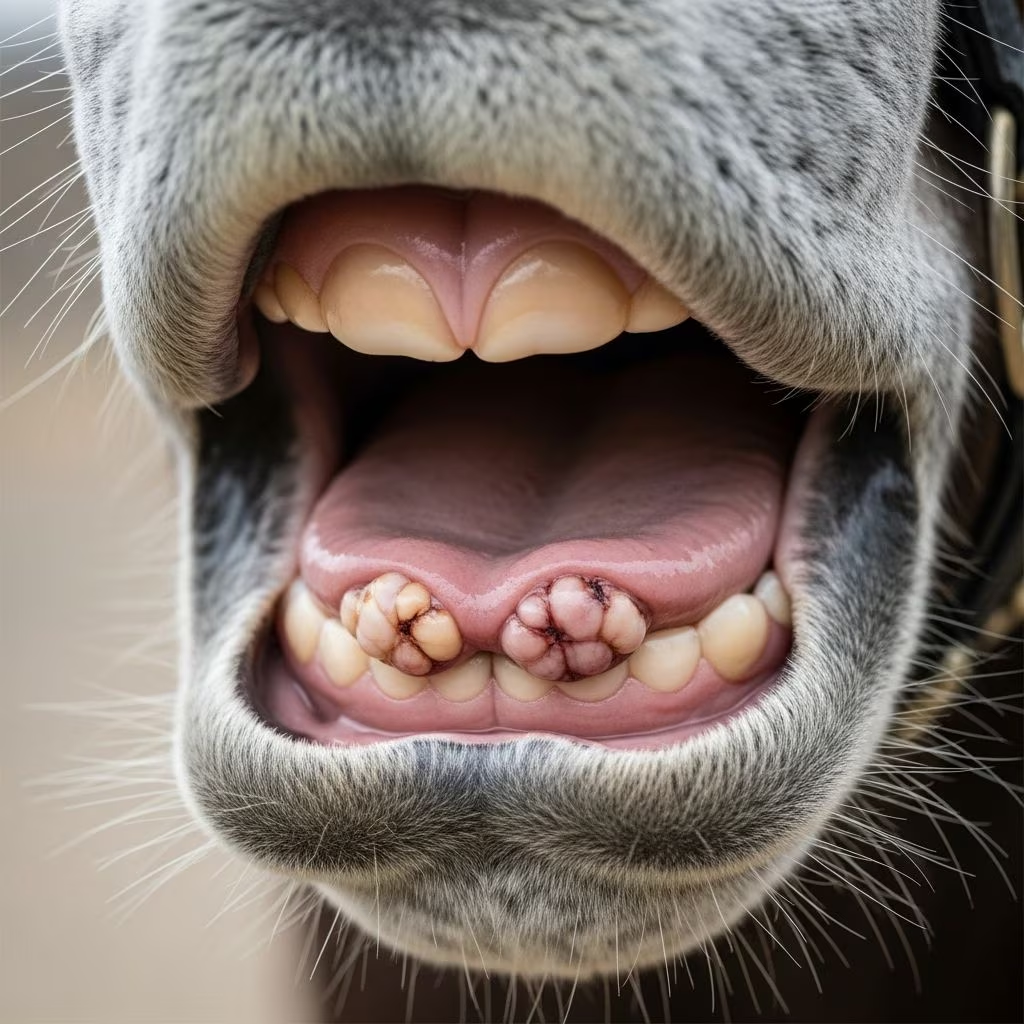
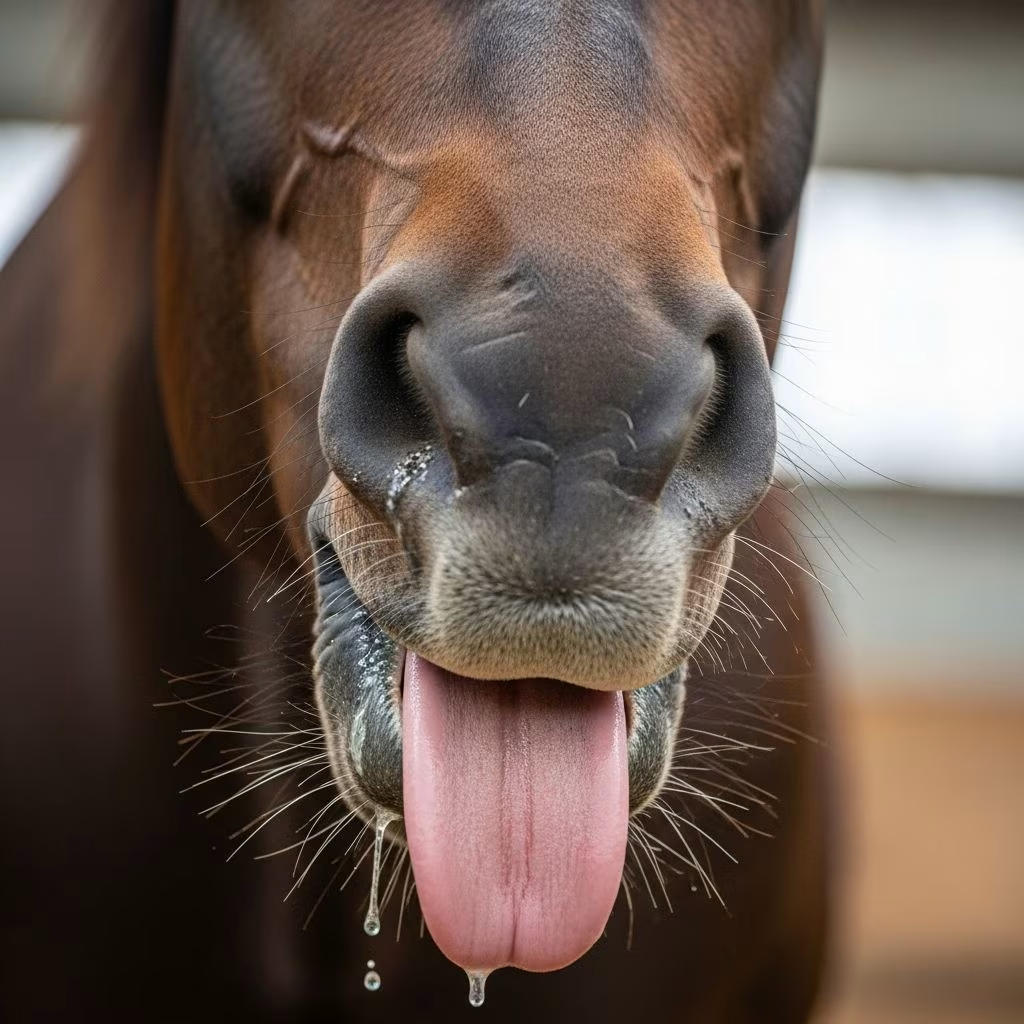
Oral tumors in large animals can cause drooling, weight loss, chewing difficulty, and oral swelling. Early diagnosis through routine mouth exams, imaging,…
Hemostatic disorders can cause dangerous bleeding or clotting problems in animals, from inherited conditions like von Willebrand disease to acquired issues such…
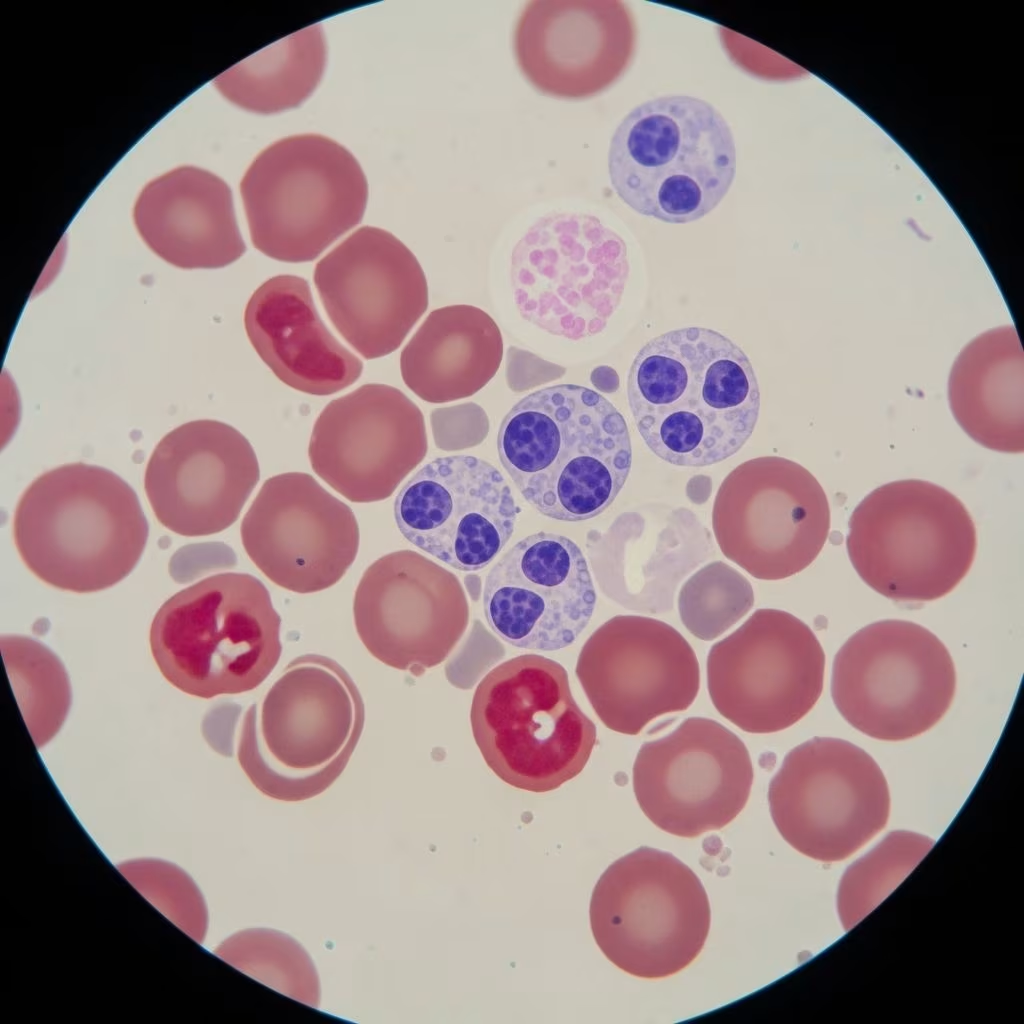
Leukogram abnormalities are changes in white blood cells that help veterinarians identify inflammation, stress, infection, or cancer. This guide explains common WBC…
Pathological thrombosis is the abnormal formation of blood clots that can block circulation and cause serious complications in animals. This guide explains…
Feline immune system cancers most commonly include lymphoma and mast cell tumors. This guide covers symptoms, diagnosis, prognosis, treatment options, and follow-up…