Ratites like ostriches, emus, and rheas have unique digestive systems that require species-specific care. This guide explains common gastrointestinal disorders, diagnosis, treatment,…

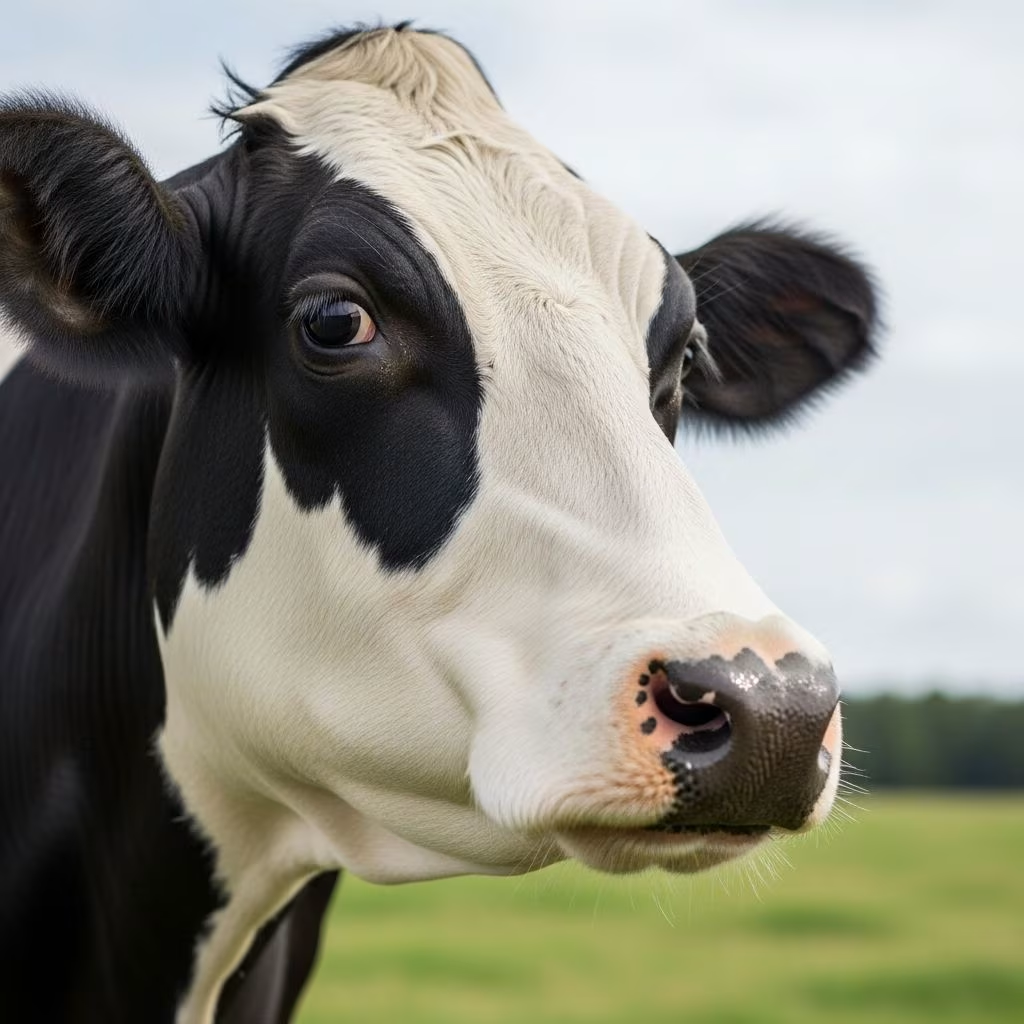
Bovine tuberculosis is a chronic bacterial disease that affects cattle, wildlife, and occasionally humans. It spreads through close contact and contaminated products,…
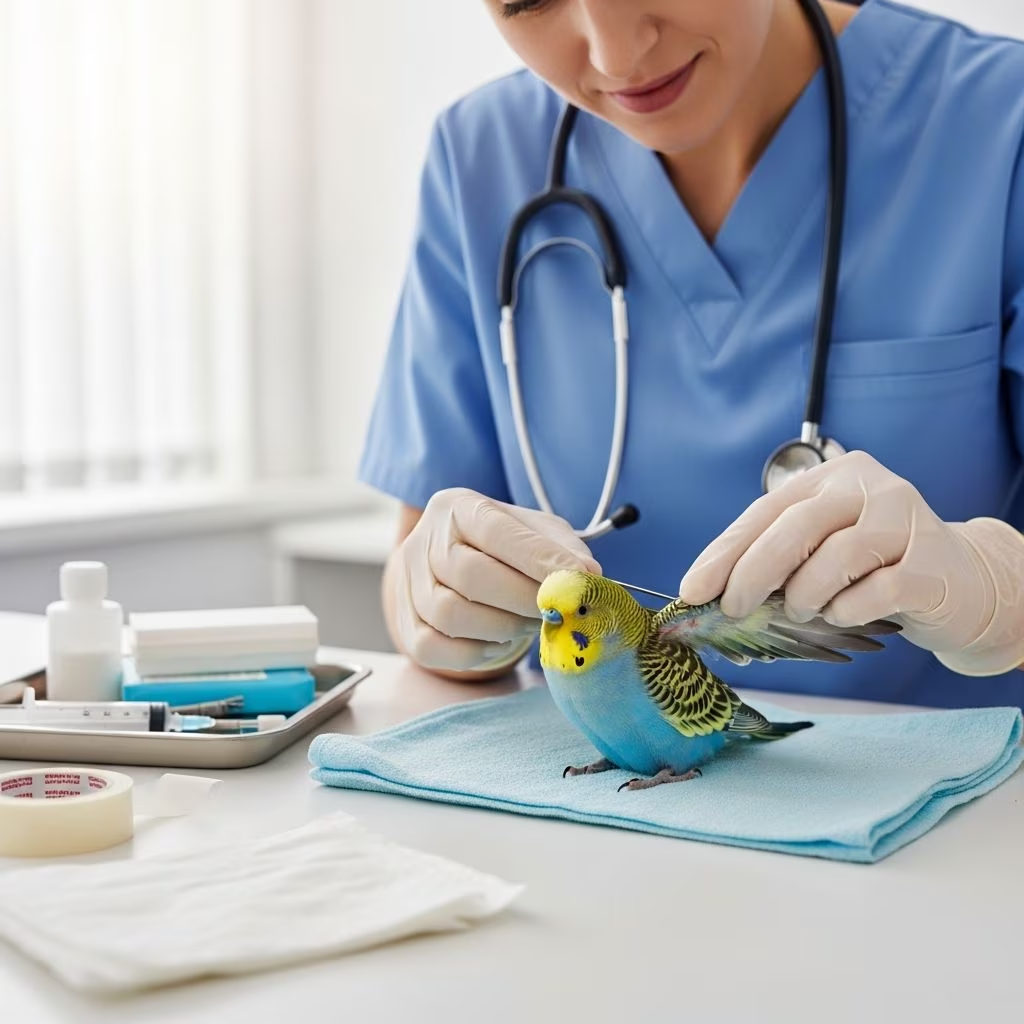
Traumatic injuries in pet birds require immediate stabilization, warmth, oxygen, fluid support, and careful pain control. The first 12–48 hours are critical,…
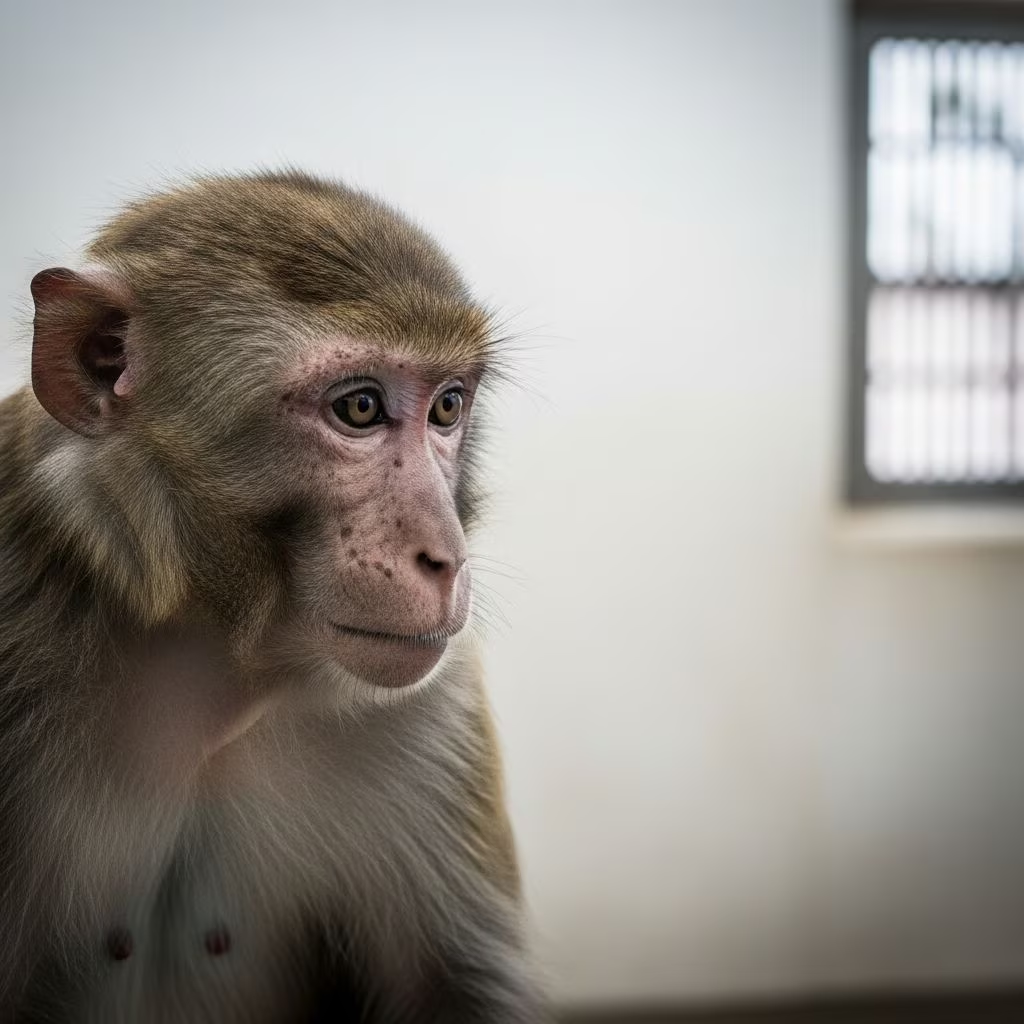
Captive primates have highly specific nutritional needs that vary by species, age, and housing conditions. Proper balance of protein, fiber, vitamins, and…
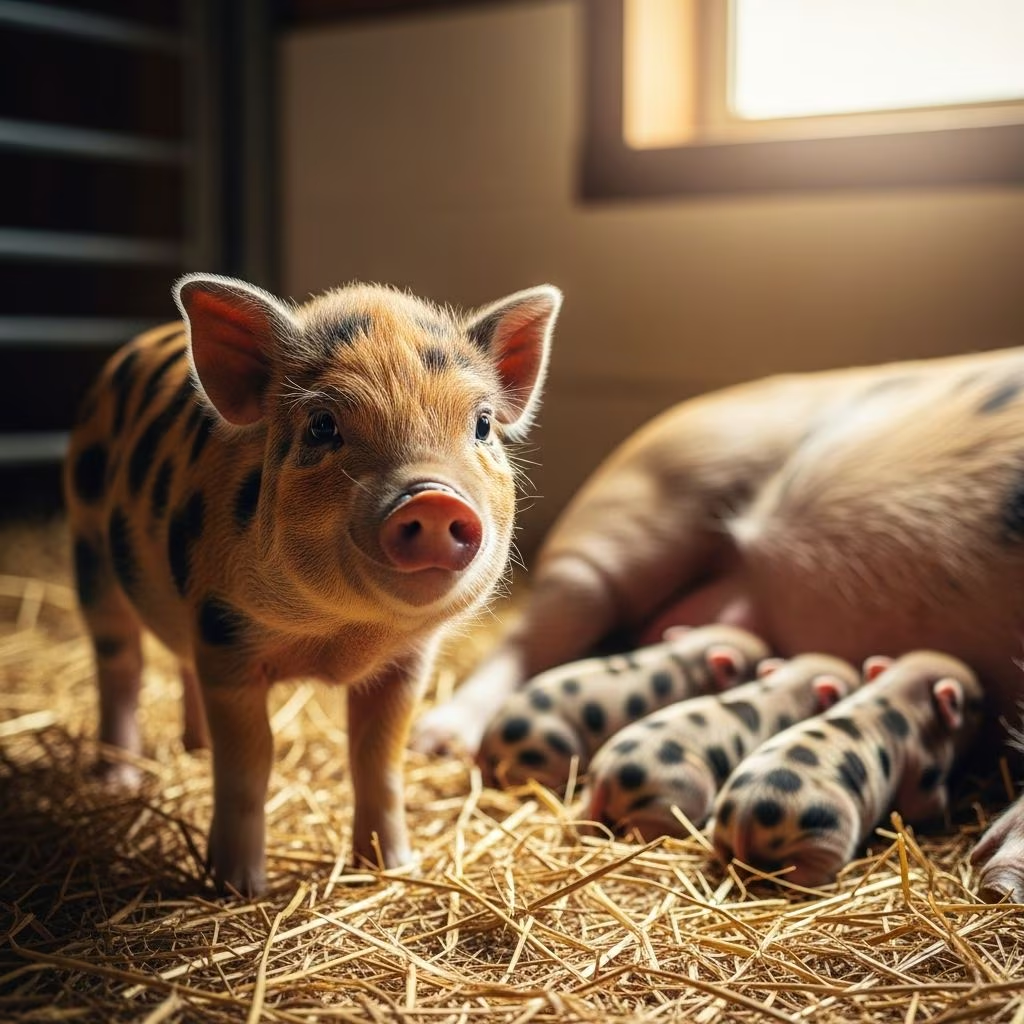
This guide explains miniature pig reproduction, including sexual maturity, heat cycles, mating, and artificial insemination. It also covers pregnancy management, farrowing preparation,…
Captive marine mammals need specialized diets high in protein and fat, with minimal carbohydrates. Proper fish selection, micronutrient supplementation, and ongoing monitoring…
Dietary imbalances can trigger serious health problems in mink, especially during growth, lactation, and fur development. This guide explains the major nutritional…
This guide covers the essential principles of managing marine mammals in captivity and rehabilitation. It includes habitat design, safe handling, nutrition, veterinary…
This guide covers the essentials of llama and alpaca care, including housing, nutrition, preventive health, and safe handling. It also explains reproductive…
Conduct regular health assessments to catch illness, parasites, and nutrition issues before they spread. This guide covers safe handling, physical checks, sampling,…
Laboratory animal health surveillance is essential for protecting colony welfare and ensuring reliable research results. Modern programs increasingly use sentinel-free environmental sampling…