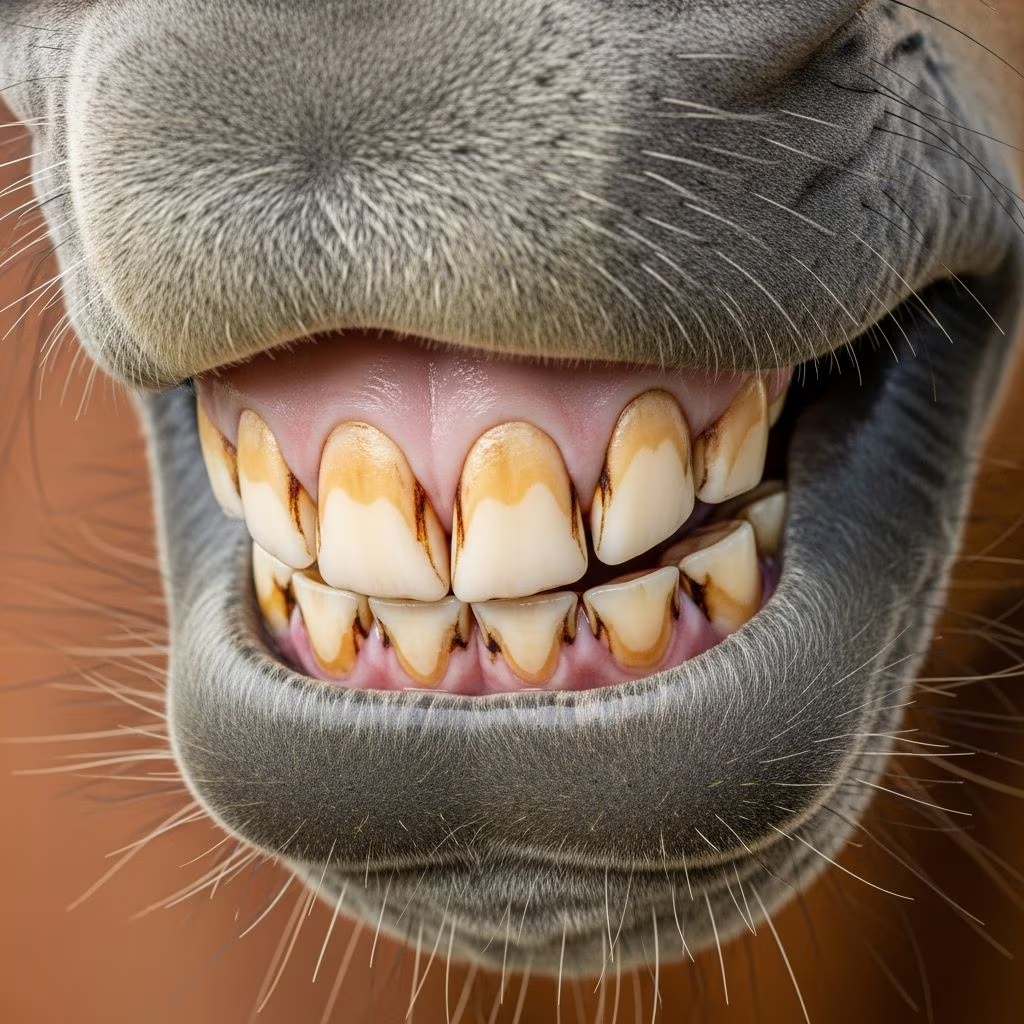
Uneven tooth wear can affect a horse’s comfort, nutrition, and performance. Learn the causes, warning signs, diagnosis, treatment, and prevention strategies to…

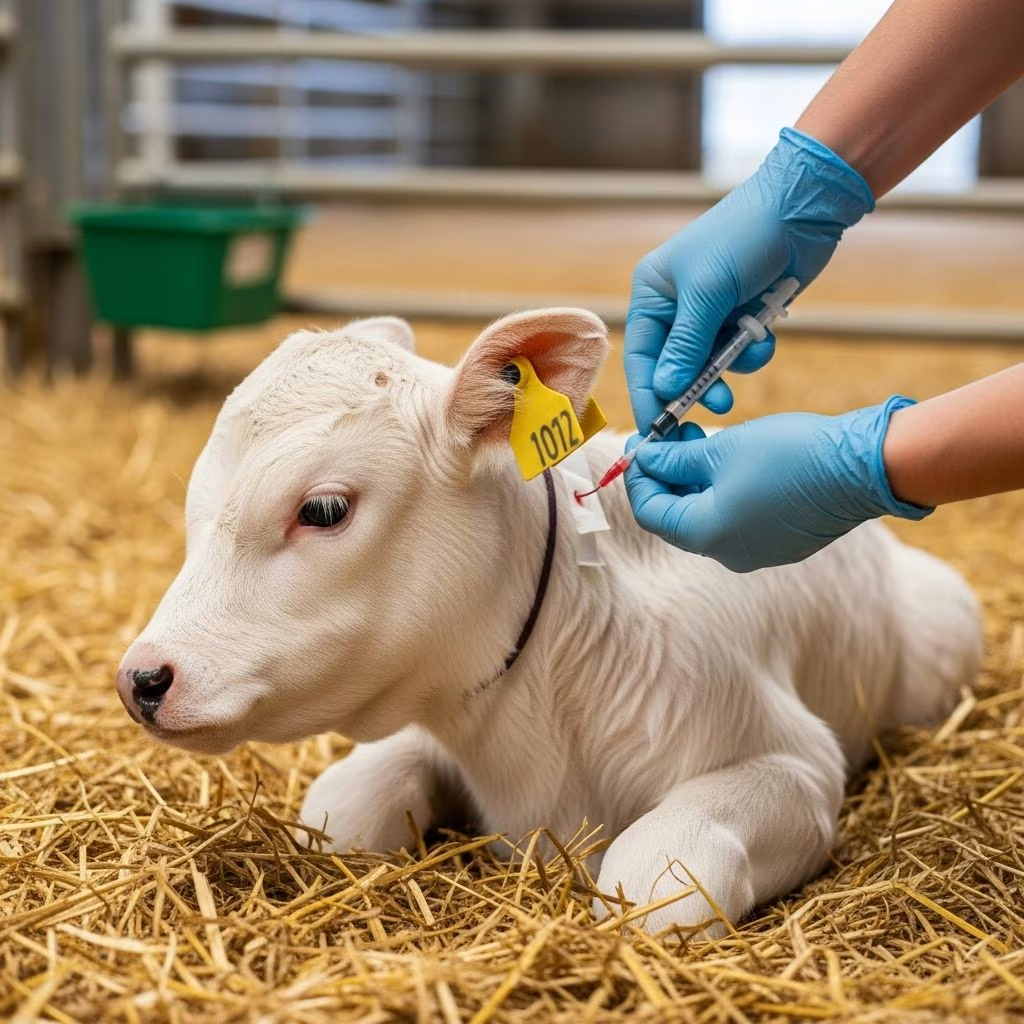
Calf septicemia is a life-threatening bloodstream infection that can quickly lead to shock, meningitis, and death in newborn calves. Early colostrum intake,…
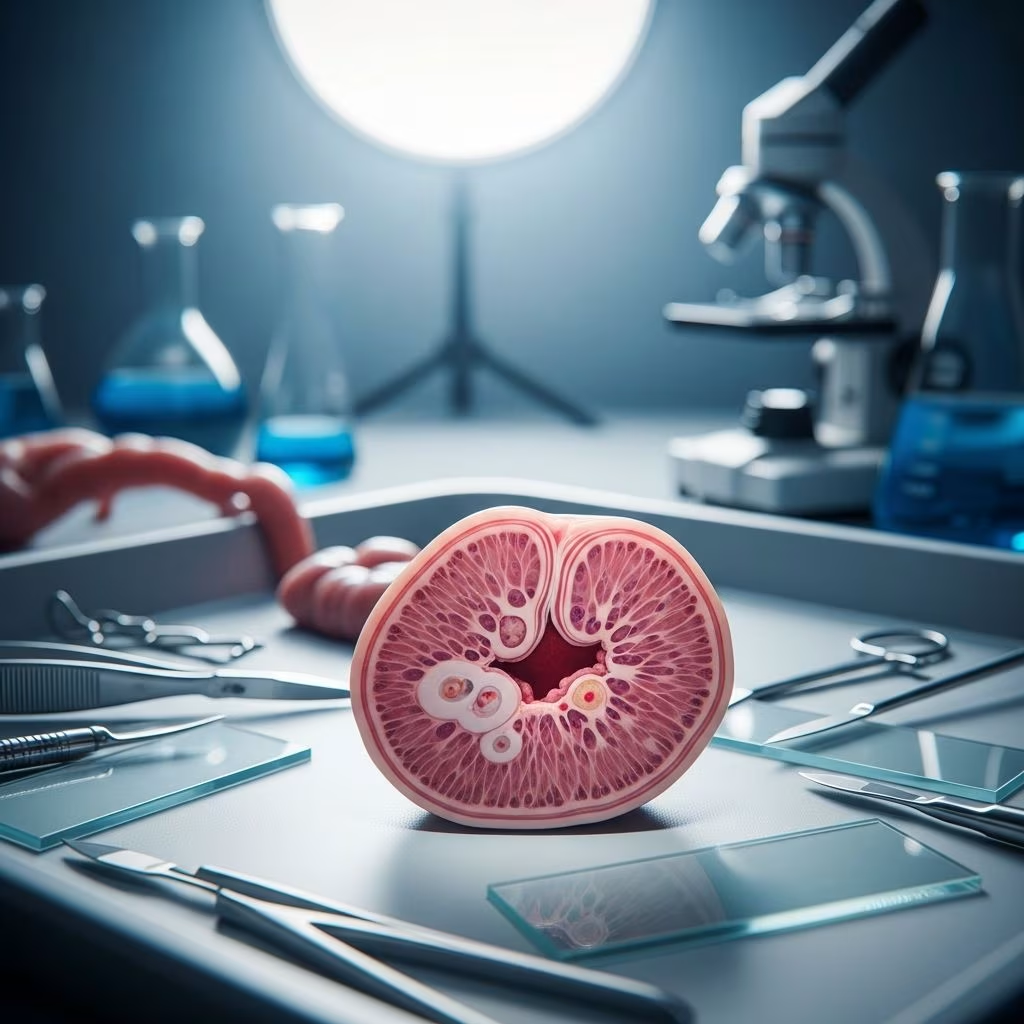
Male reproductive defects can reduce fertility, affect semen quality, and lower breeding performance in dogs, cattle, horses, and pigs. This guide covers…
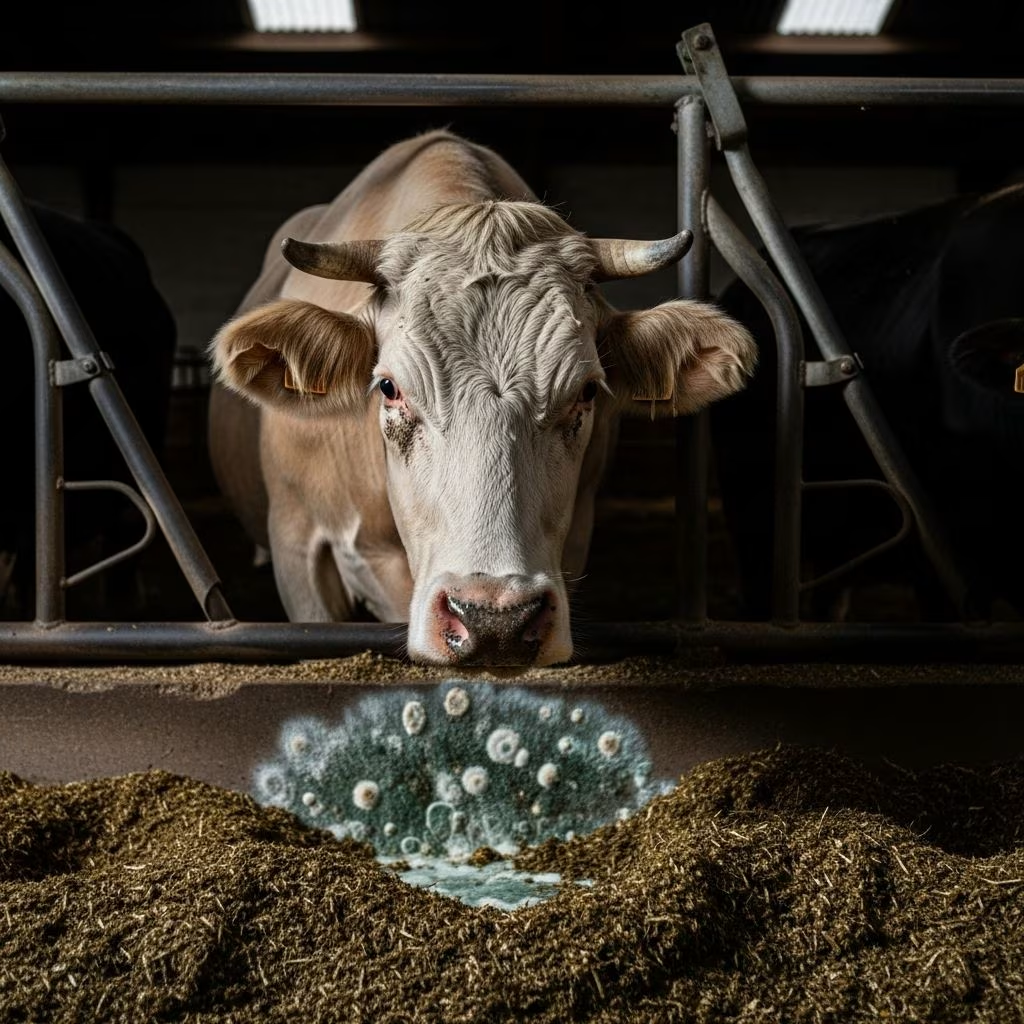
Trichothecene mycotoxins, produced by Fusarium molds, can contaminate grains and feeds and severely impact animal health and performance. This guide explains the…
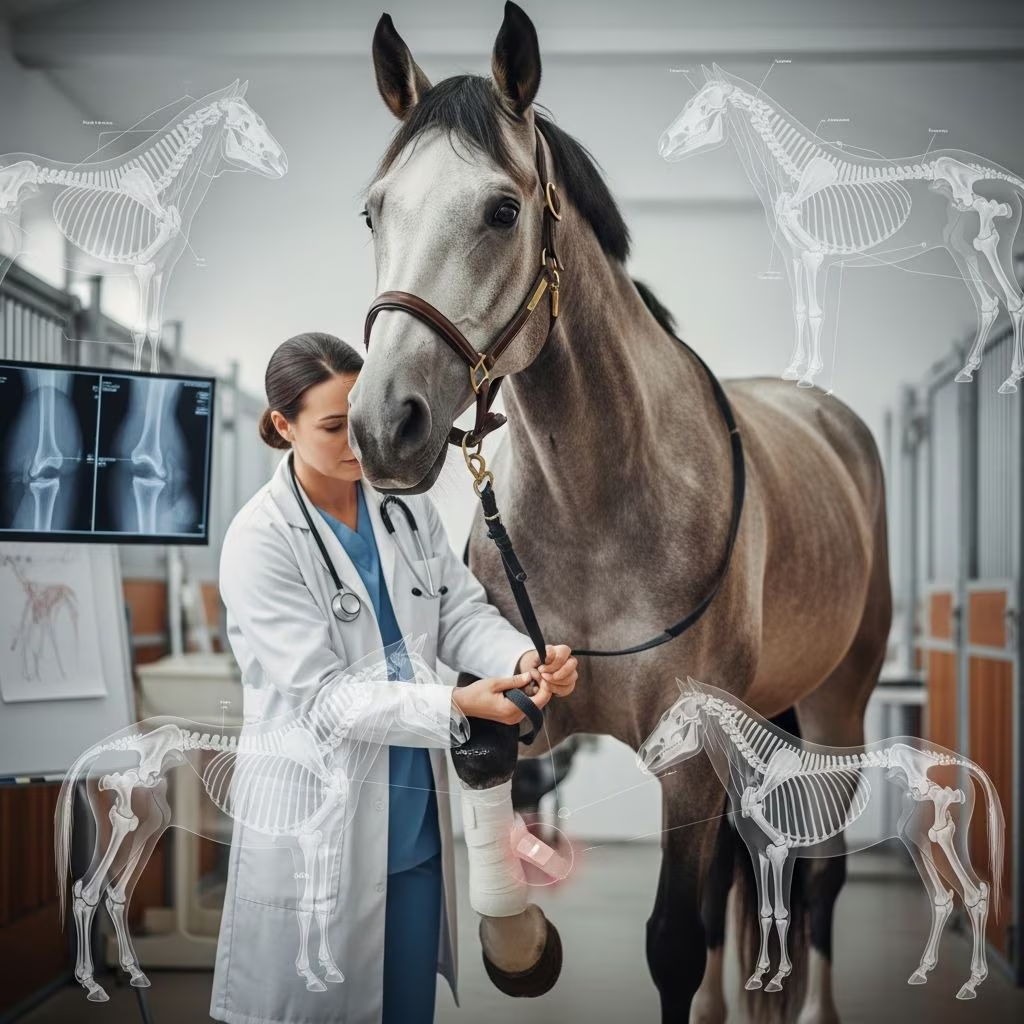
Myopathies in horses can result from trauma, toxins, genetics, anesthesia, or immune disease, causing pain, stiffness, weakness, and poor performance. Early diagnosis…
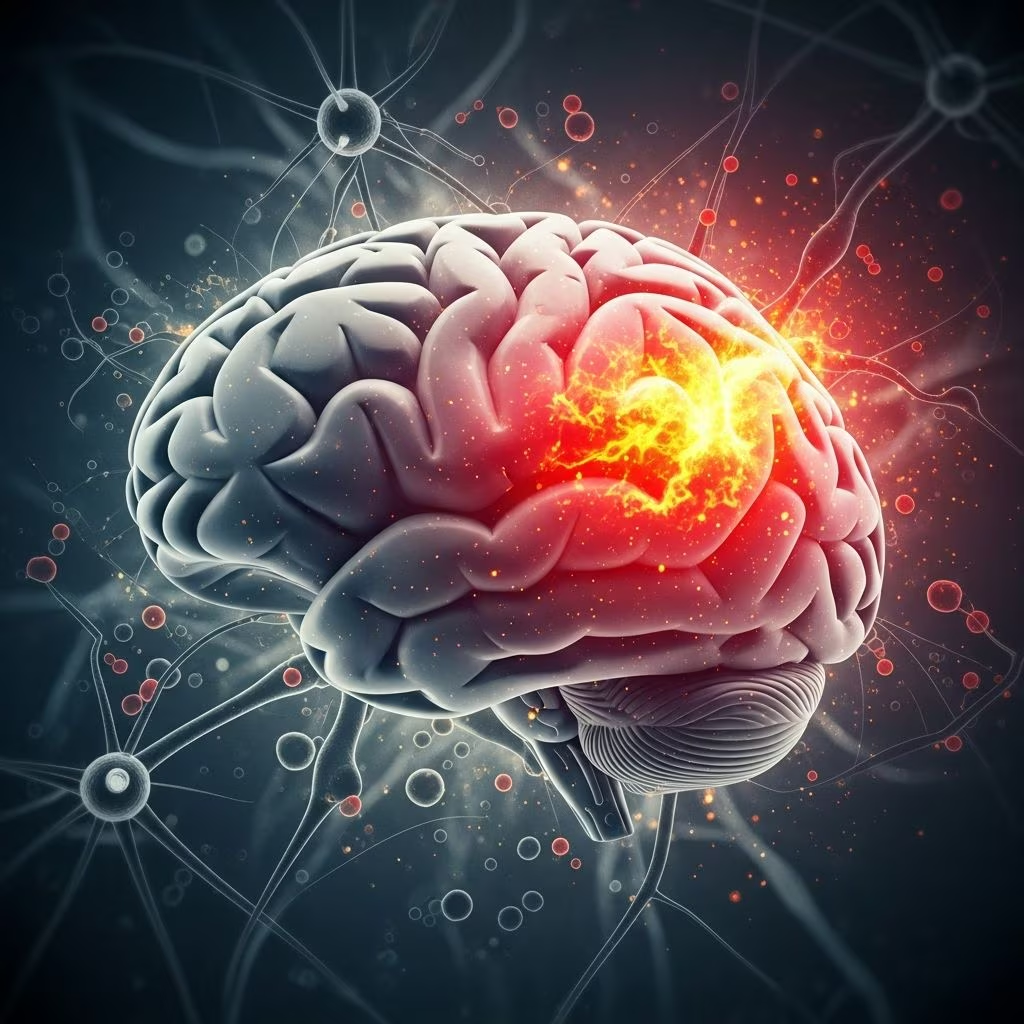
Meningitis, encephalitis, and encephalomyelitis are serious inflammatory diseases of the central nervous system in animals. This guide covers common causes, clinical signs,…
Horse musculoskeletal anomalies can be congenital or inherited, affecting bones, joints, muscles, and the spine. Early diagnosis, balanced nutrition, and responsible breeding…
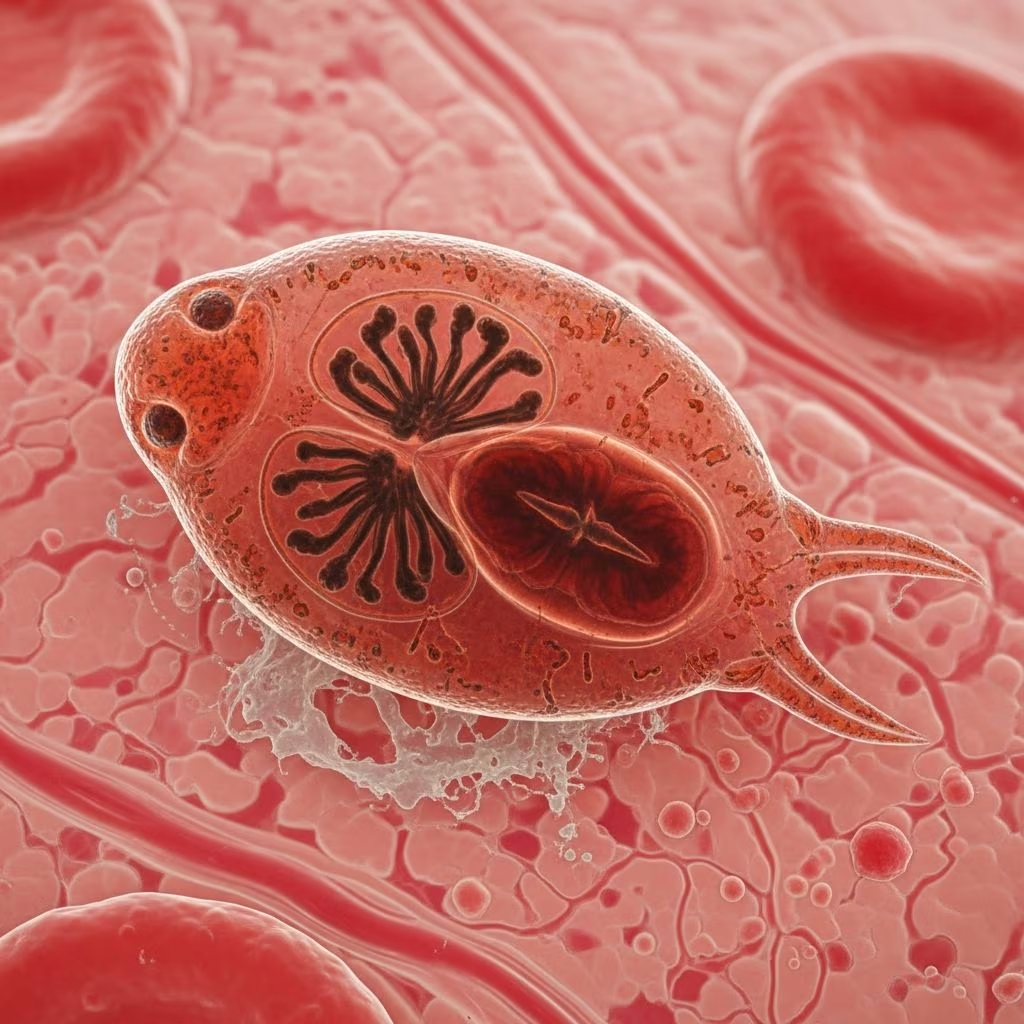
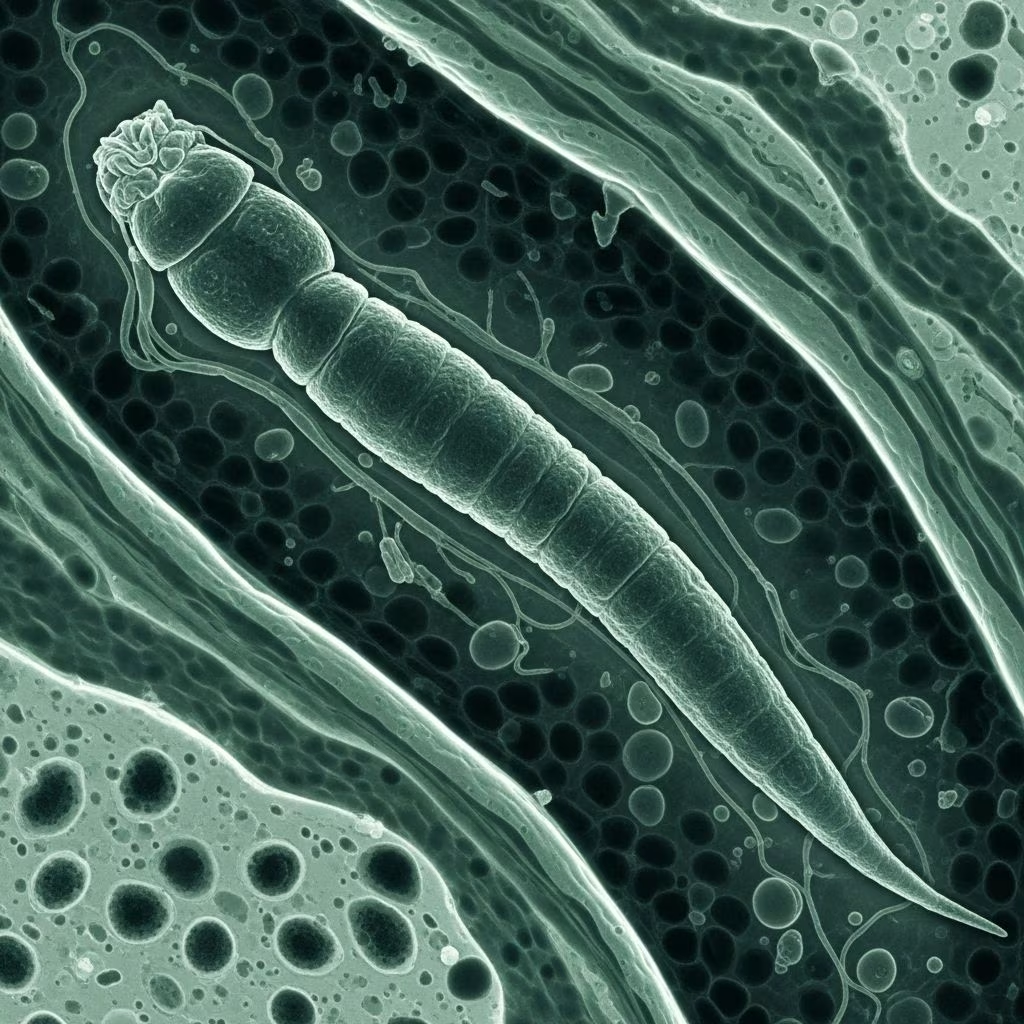
Elaeophorosis is a parasitic disease caused by Elaeophora nematodes that primarily affects ruminants. It can lead to vascular damage, facial paralysis, blindness,…