Biomedical research uses animal models to study disease, test therapies, and reveal biological mechanisms. Rodents dominate, but fish, amphibians, birds, and larger…

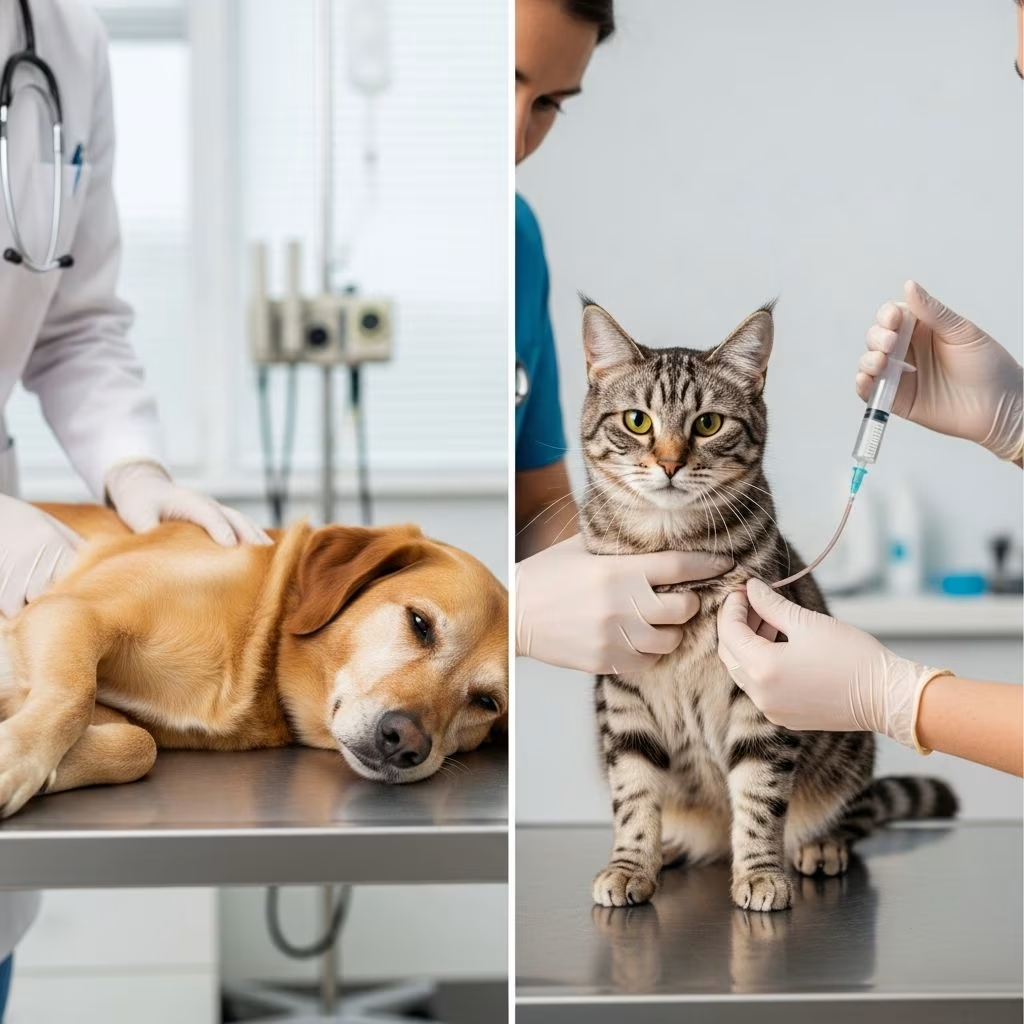
Urinary blockages are life-threatening emergencies in dogs and cats, especially males with narrow urethras. This guide covers common causes, warning signs, treatment…
Carbamate compounds can cause severe poisoning in dogs, cats, livestock, and wildlife by disrupting normal nerve function. This guide explains the signs,…
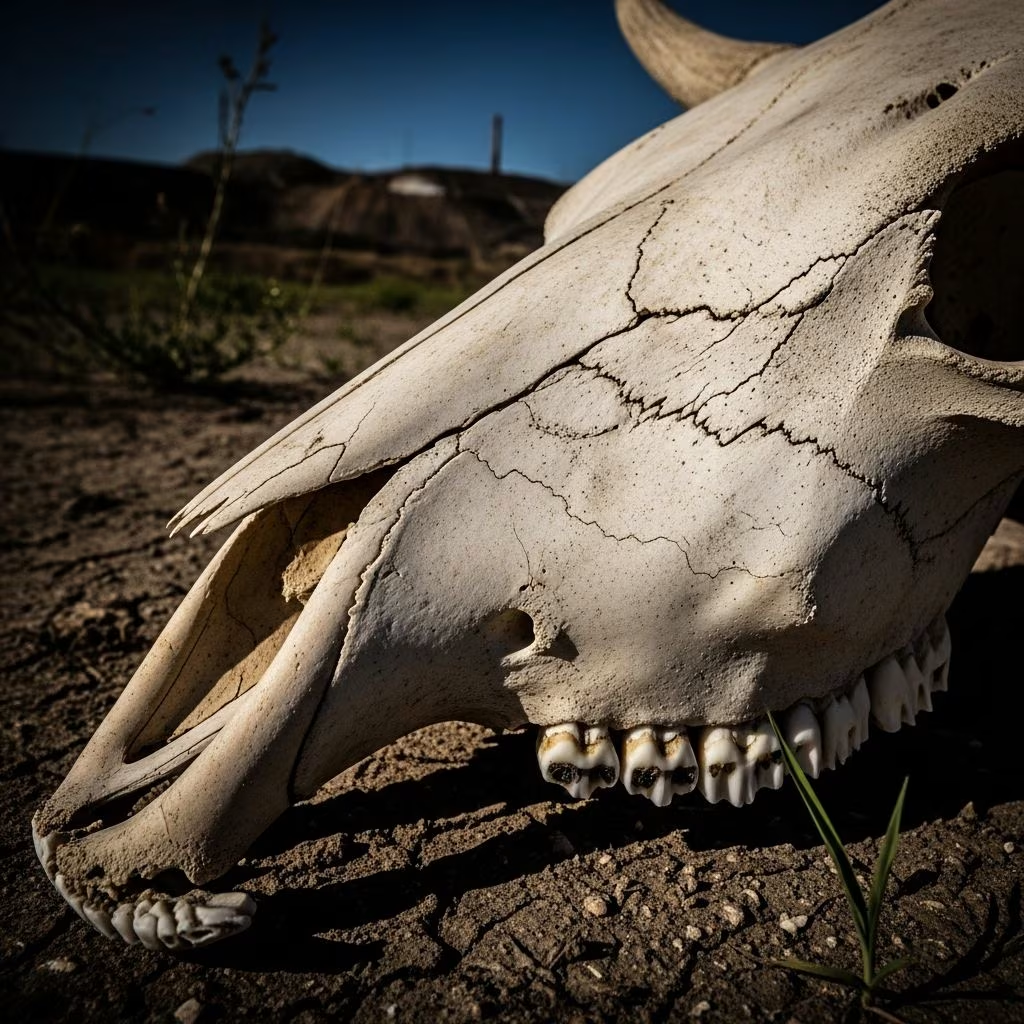
Excess fluoride can cause serious acute poisoning or long-term fluorosis in animals, damaging teeth, bones, and overall health. Learn the common sources,…
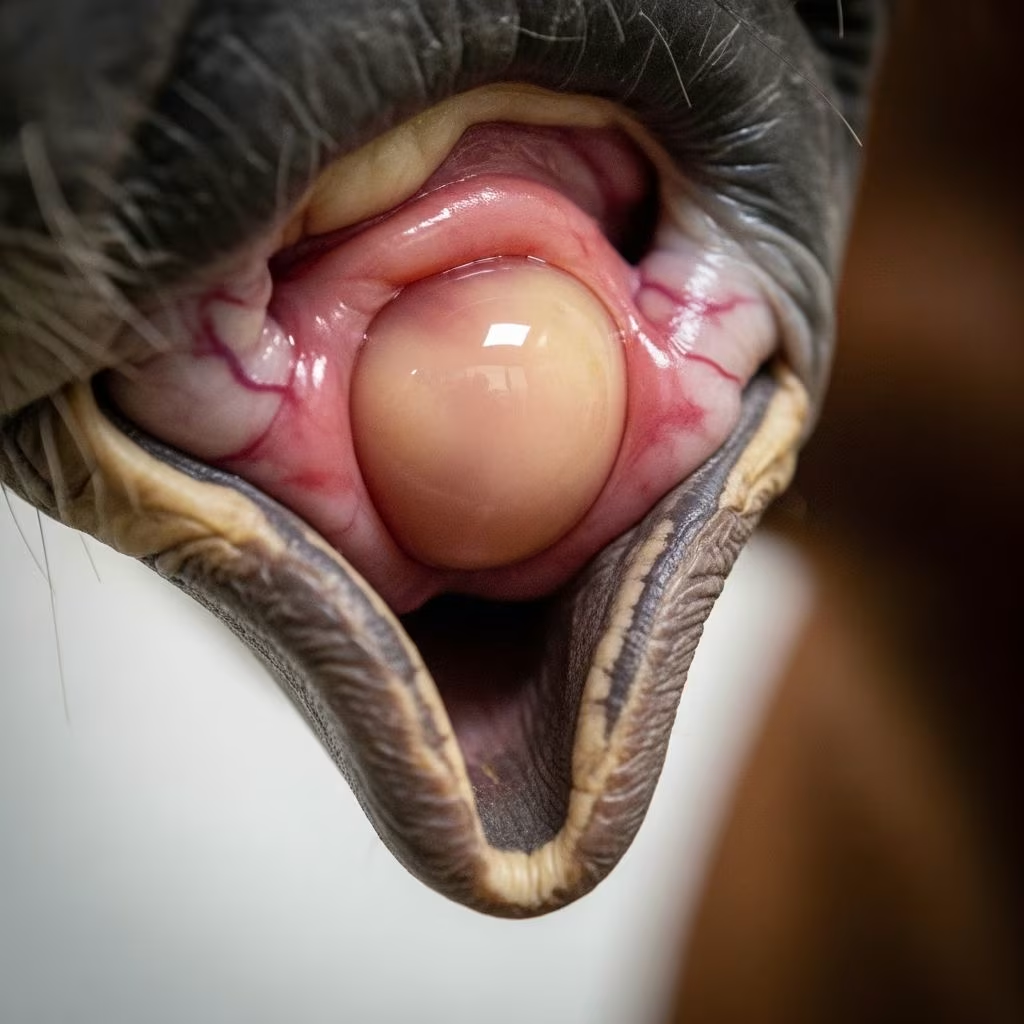
Subepiglottic cysts are rare fluid-filled masses beneath the epiglottis that can obstruct airflow in horses. They often affect young athletic horses, causing…
Zoonotic diseases are infections that spread between animals and humans, often through contact, food, water, or vectors. They include major threats like…
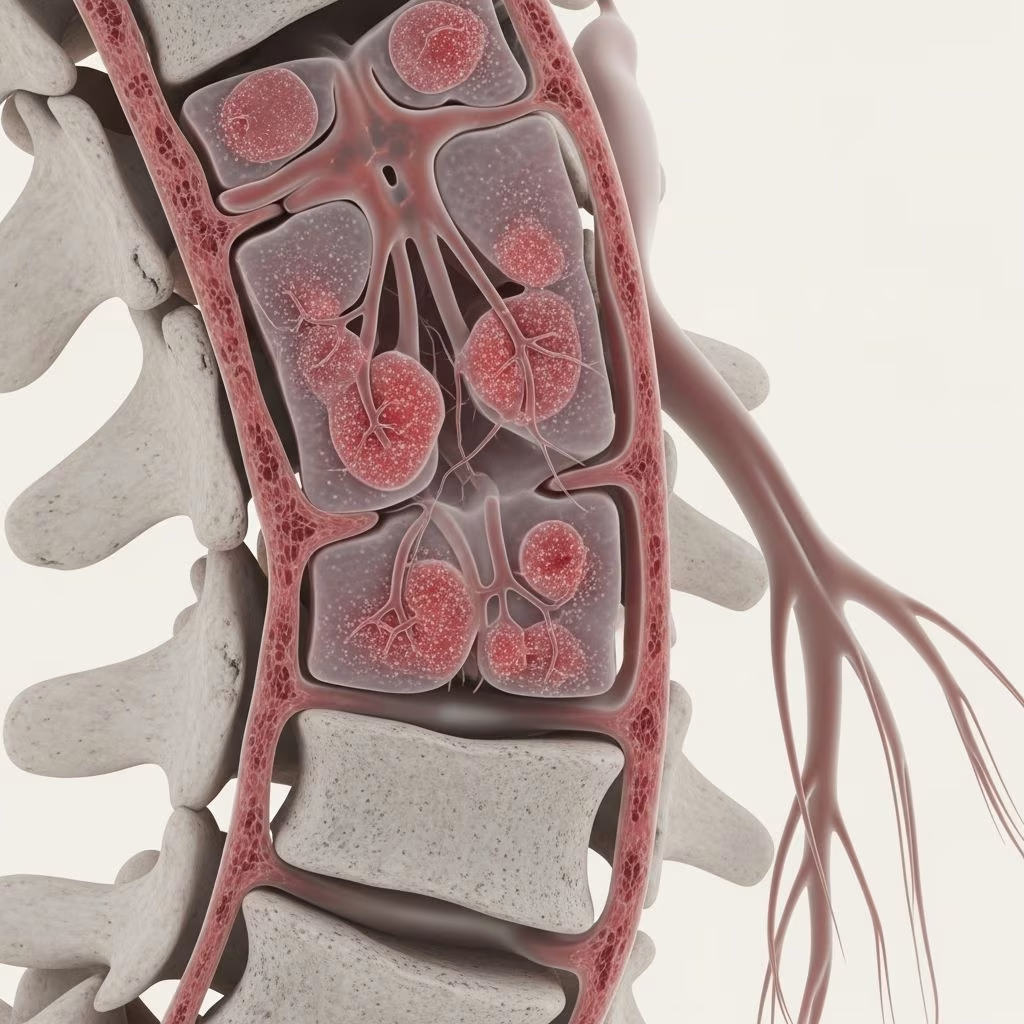
Equine dysautonomia, or grass sickness, is a severe neurological disorder that disrupts digestion and autonomic function in horses. Early recognition of signs,…
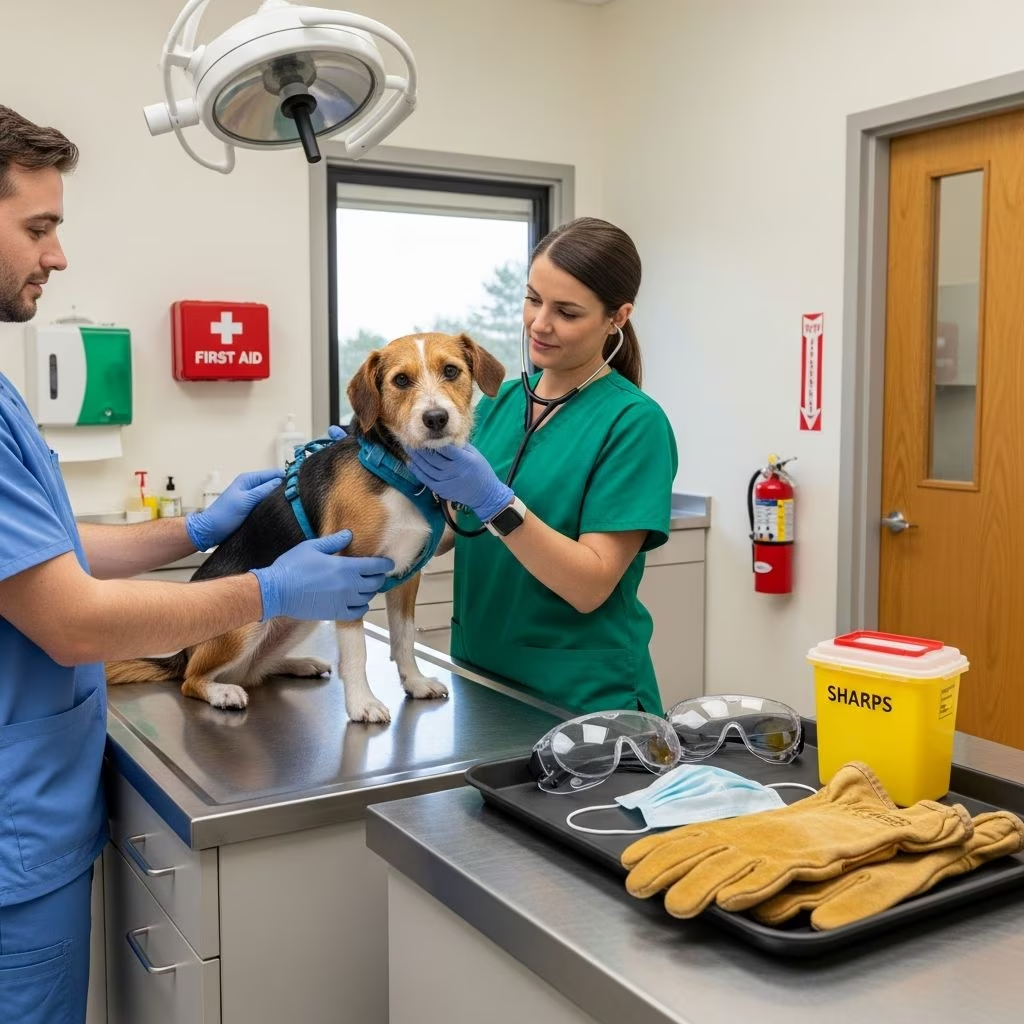
Veterinary teams face risks from animals, chemicals, sharps, radiation, and infectious agents. This guide covers OSHA compliance, PPE, training, and practical controls…
This guide covers the essentials of responsible goat care, from balanced nutrition and proper housing to routine health monitoring and parasite control.…
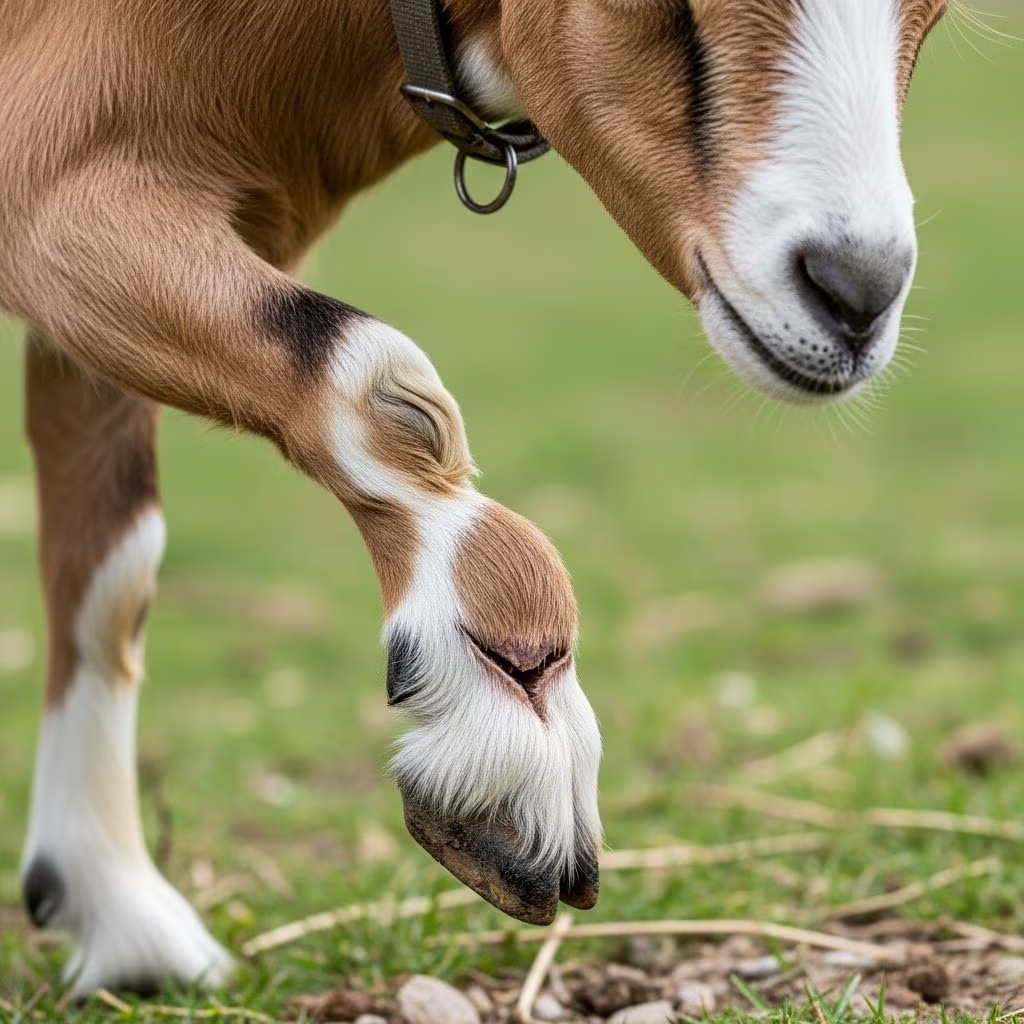
Goat lameness can stem from infections, hoof overgrowth, injuries, or nutritional problems. Early detection, proper treatment, and regular hoof care help protect…