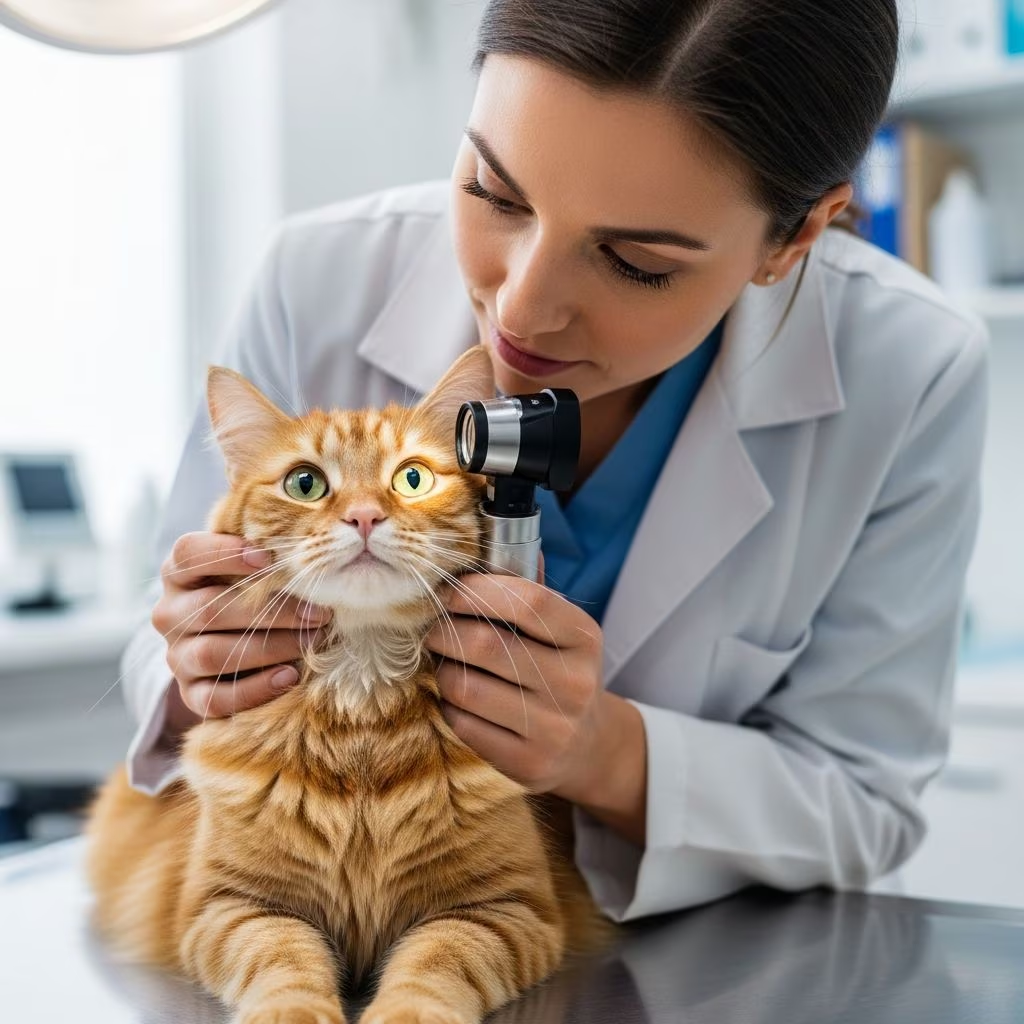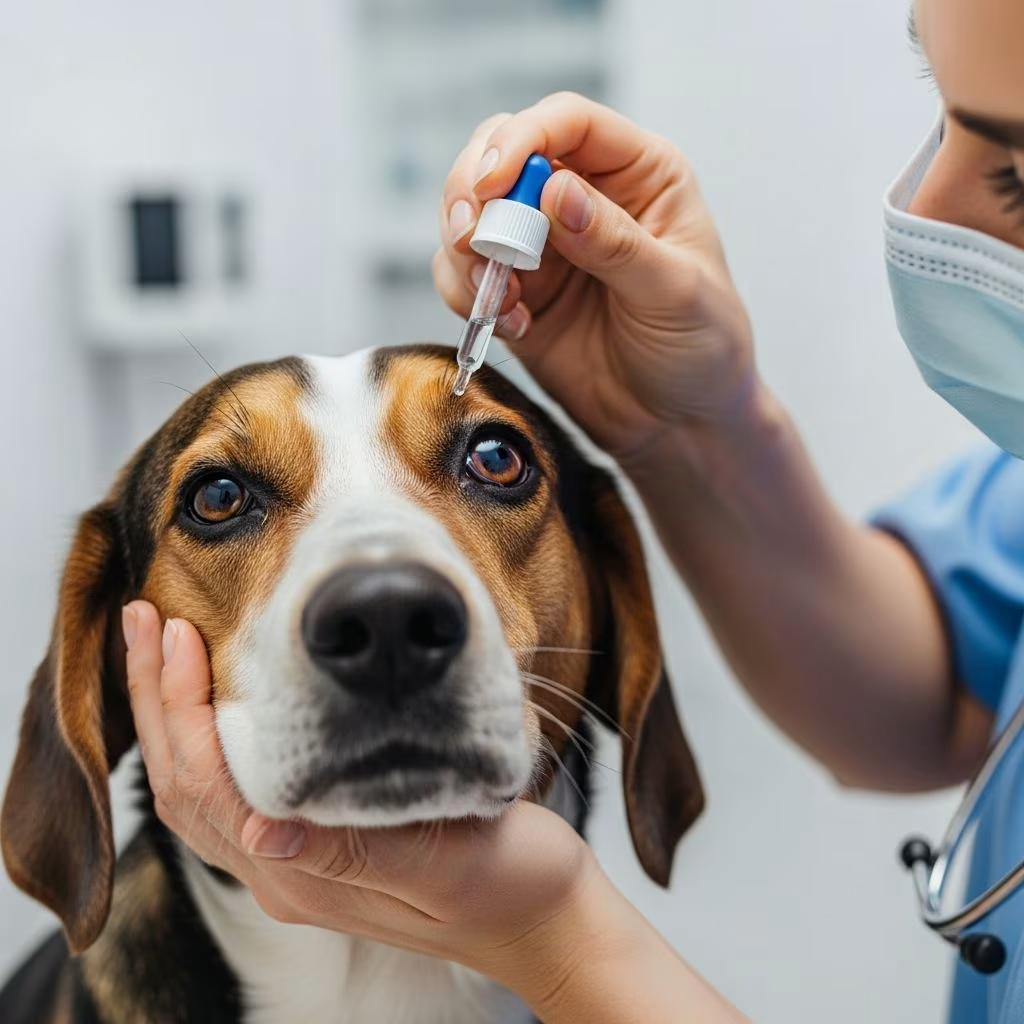
Choose the right antimicrobial for veterinary eye infections based on species, infection type, and depth of disease. This guide covers topical, systemic,…

Surfactants are essential in veterinary medicine for cleaning, antisepsis, and disinfection. They help disrupt microbial membranes, remove debris, and improve the performance…
Congenital musculoskeletal disorders can affect bones, joints, muscles, and cartilage in dogs and cats, often causing pain and lameness. Early diagnosis, imaging,…
Zoo carnivores need carefully planned diets that match species-specific protein, mineral, and vitamin needs. Proper feeding also supports enrichment, natural behaviors, and…
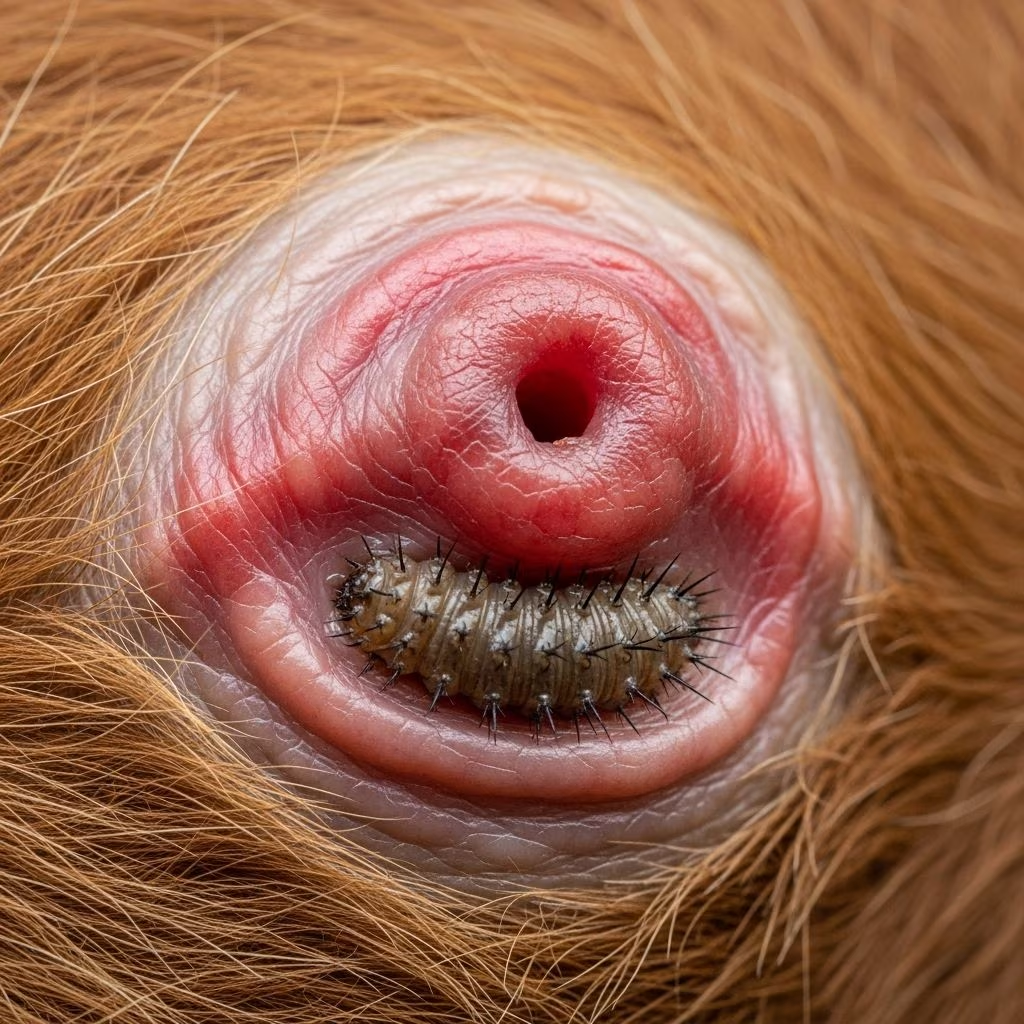
Dermatobia hominis is a tropical botfly that causes painful subcutaneous myiasis in cattle and other animals. It lowers productivity, damages hides, and…
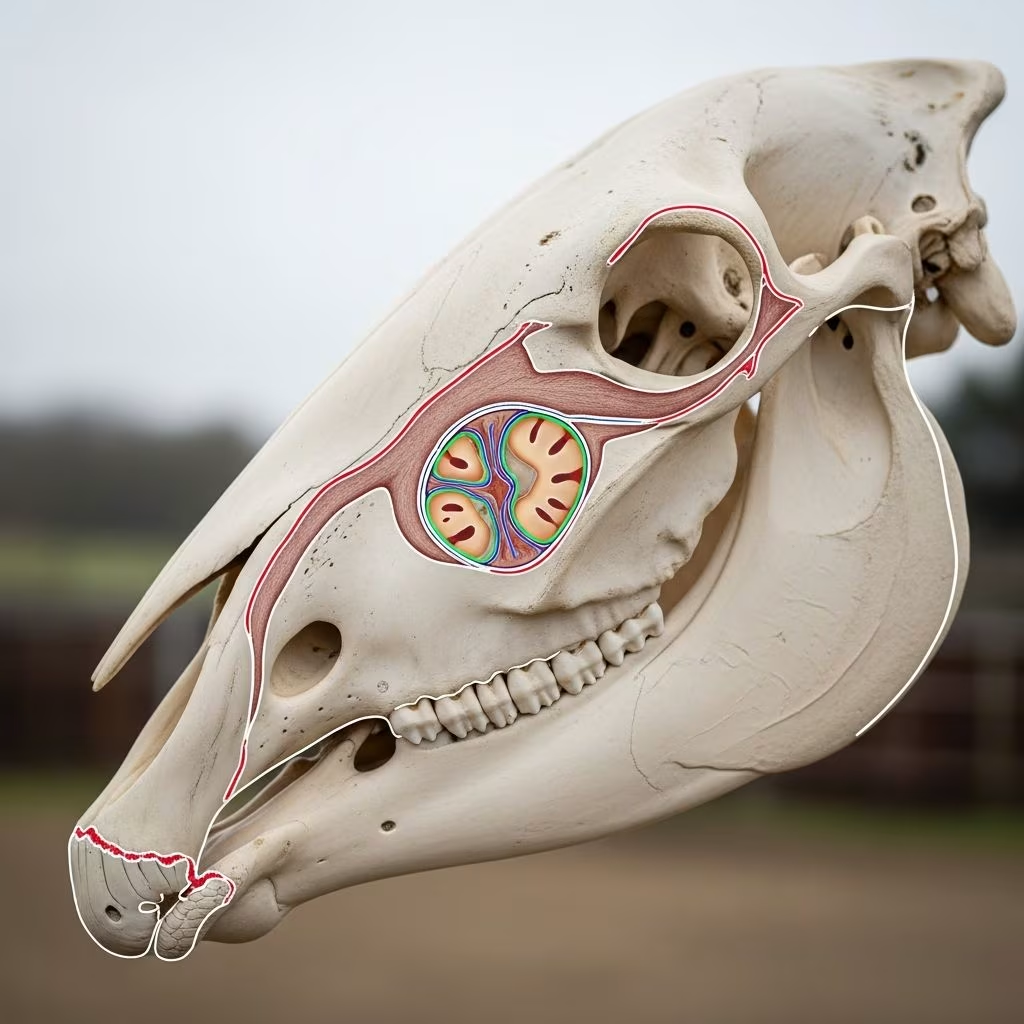
Equine sinus disease is a complex condition that can affect breathing, performance, and overall health. This guide explains sinus anatomy, common causes,…
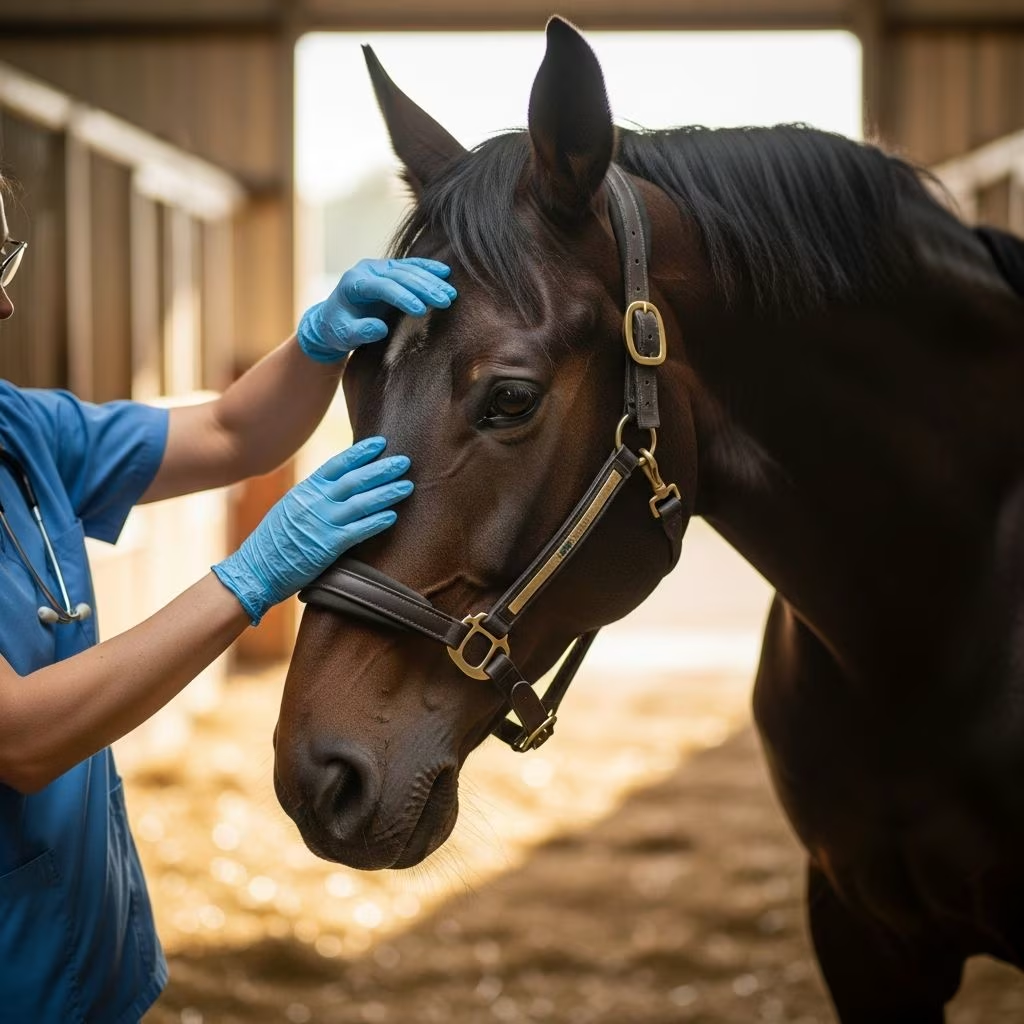
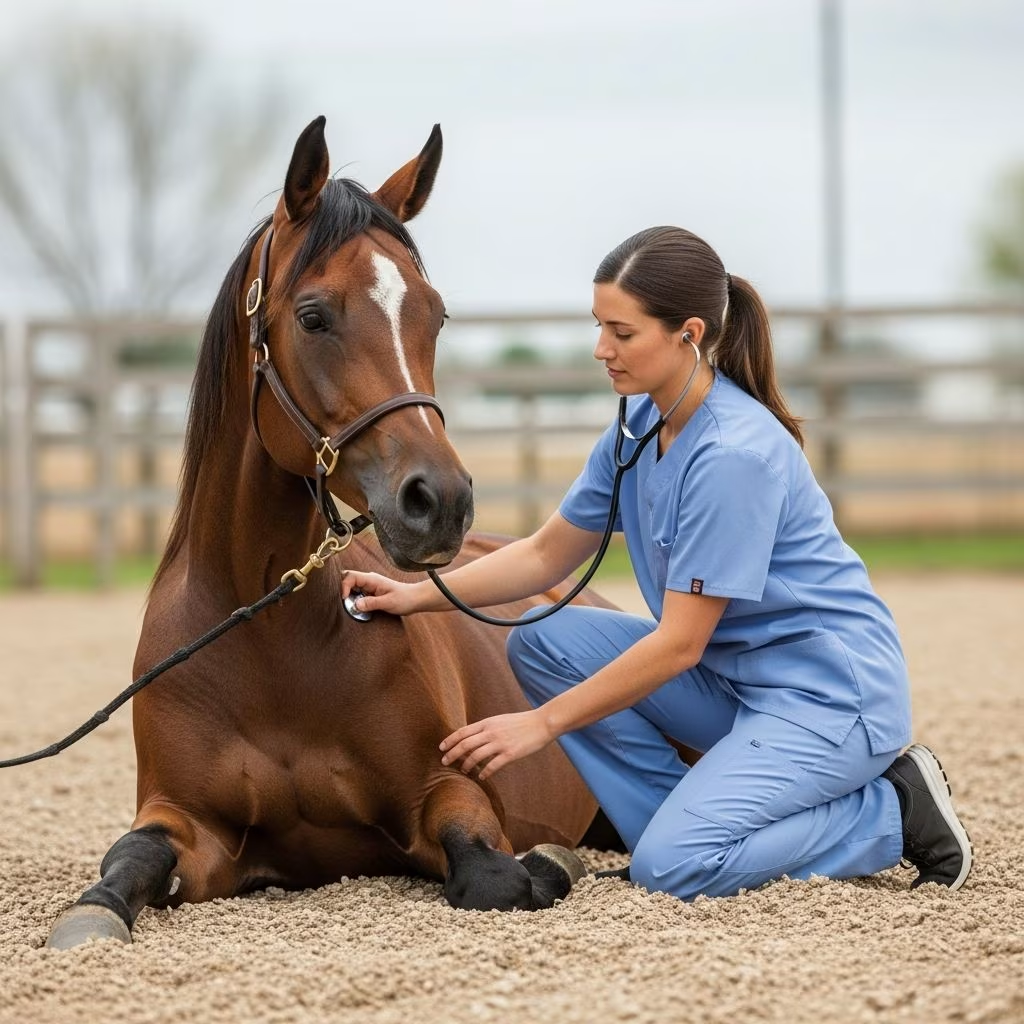
A horse neurologic exam helps distinguish true nerve-related deficits from lameness or other issues. It includes observation, cranial nerve testing, gait analysis,…
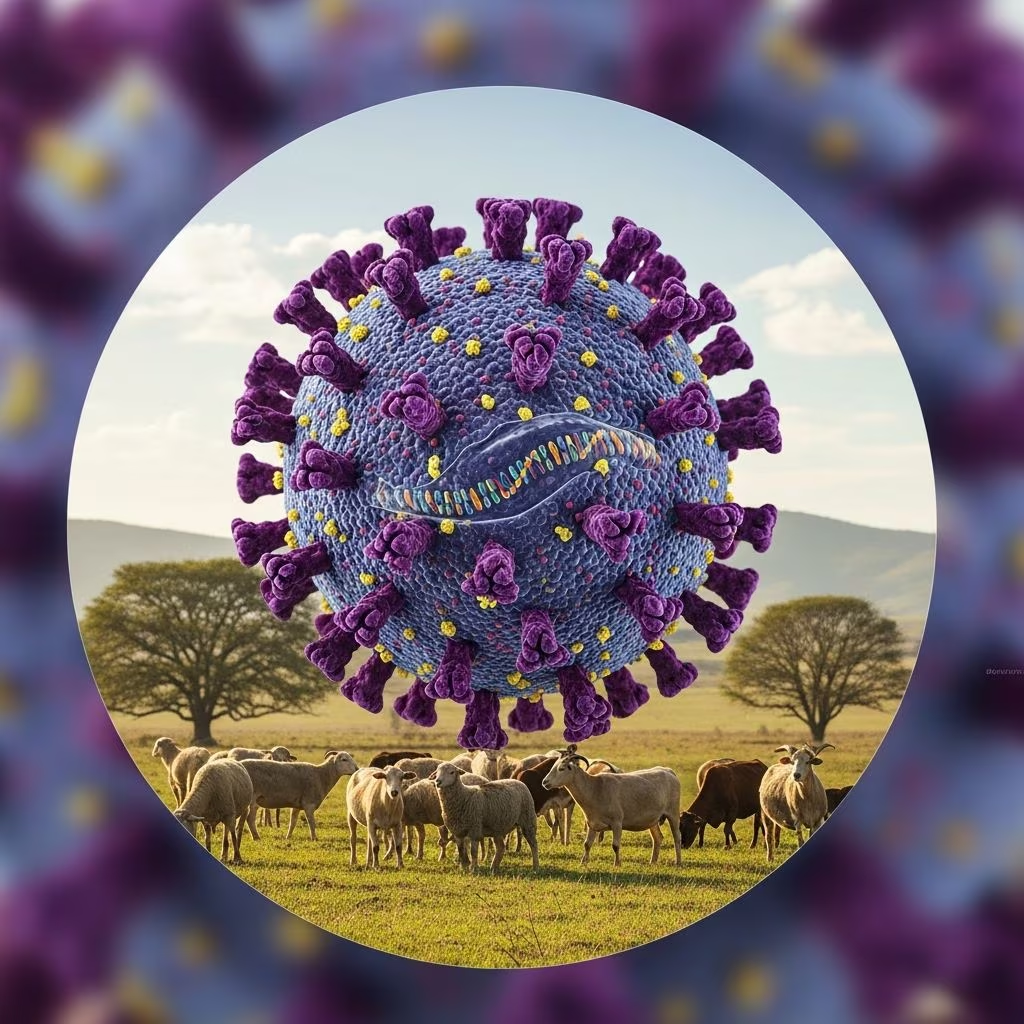
Simbu serogroup viruses like Akabane and Schmallenberg threaten pregnant ruminants by causing severe congenital malformations. Spread by biting midges, these infections can…
This guide explains the most common horse emergencies, from choke and colic to wounds, respiratory distress, and foaling complications. Learn the warning…