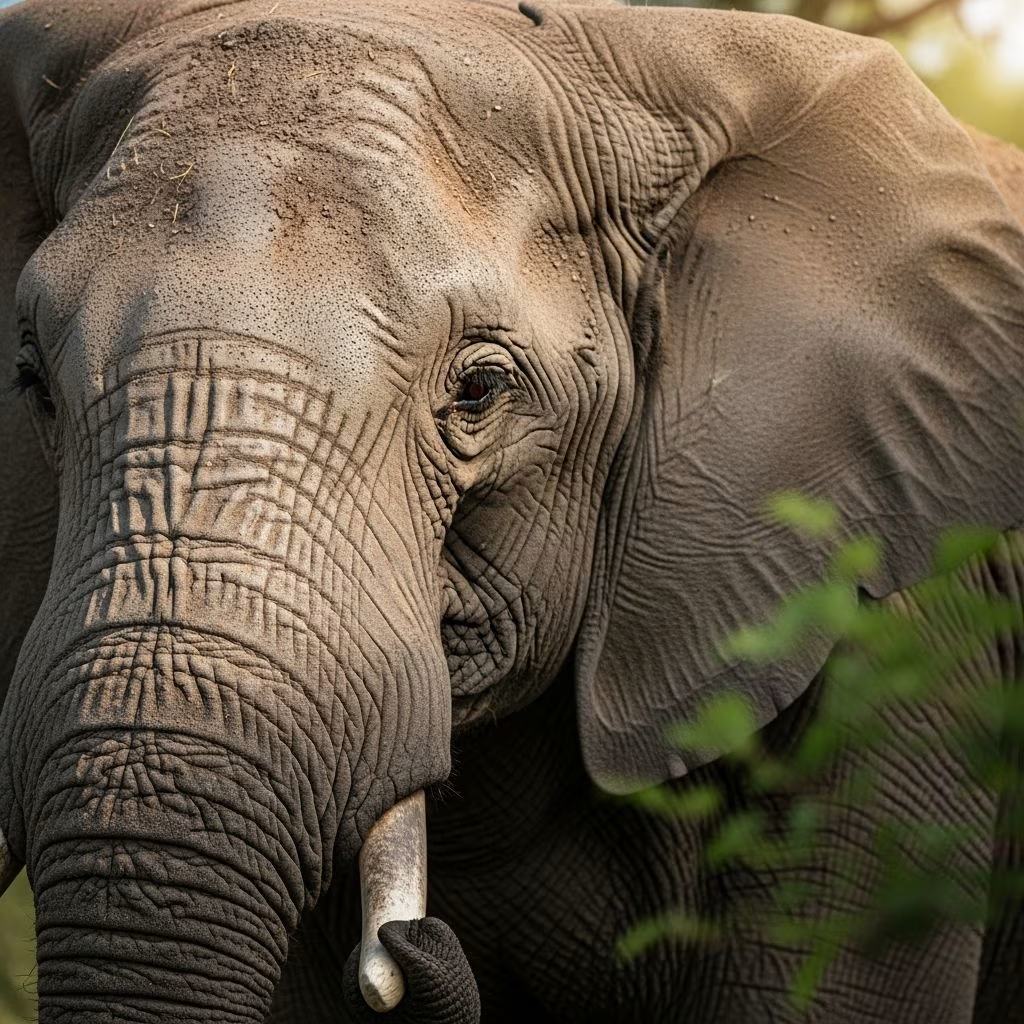
Elephant tuberculosis is a serious infectious disease caused mainly by Mycobacterium tuberculosis, often spread from humans in captive settings. It can remain…

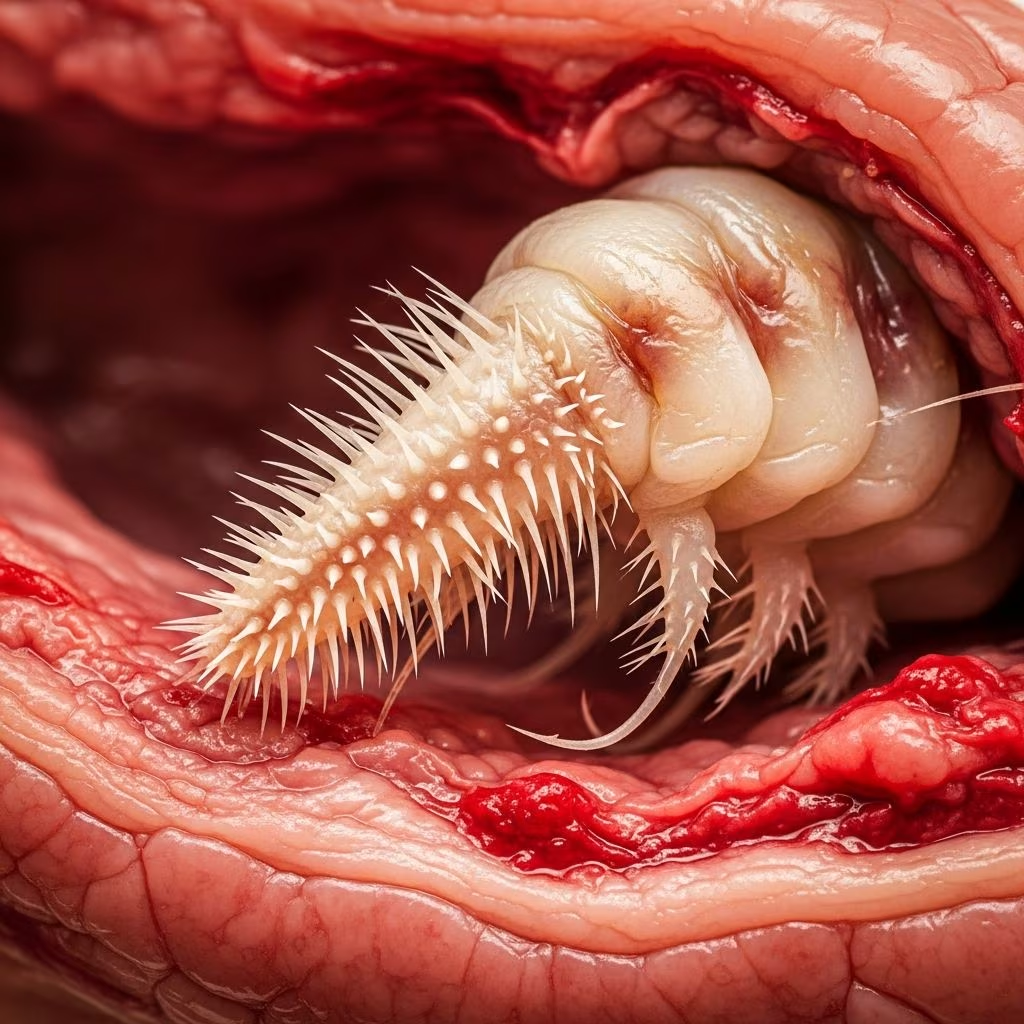
Acanthocephalans, or thorny-headed worms, are overlooked swine parasites that can damage the intestine and reduce growth. This guide covers their life cycle,…
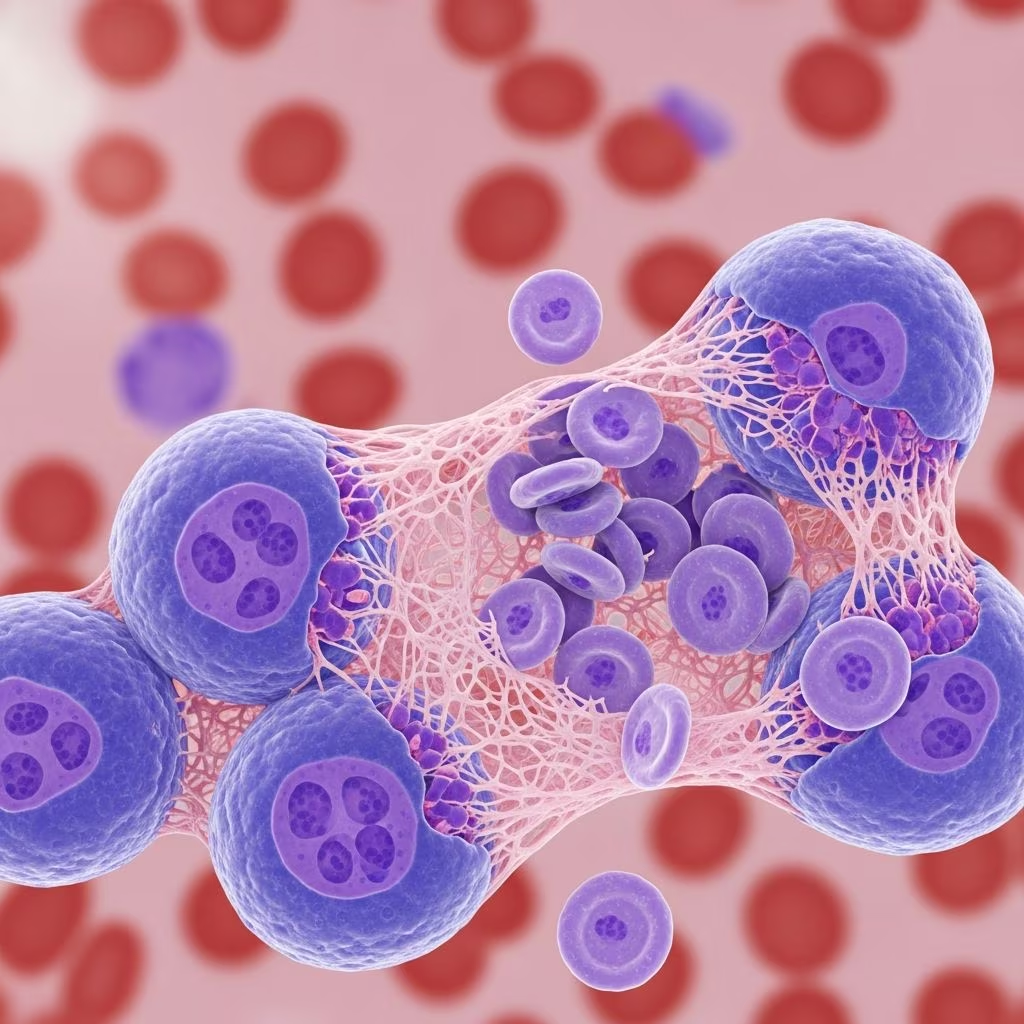
Platelets are specialized cell fragments that help animals maintain vascular integrity, form clots, and support wound healing. This overview explains platelet production,…
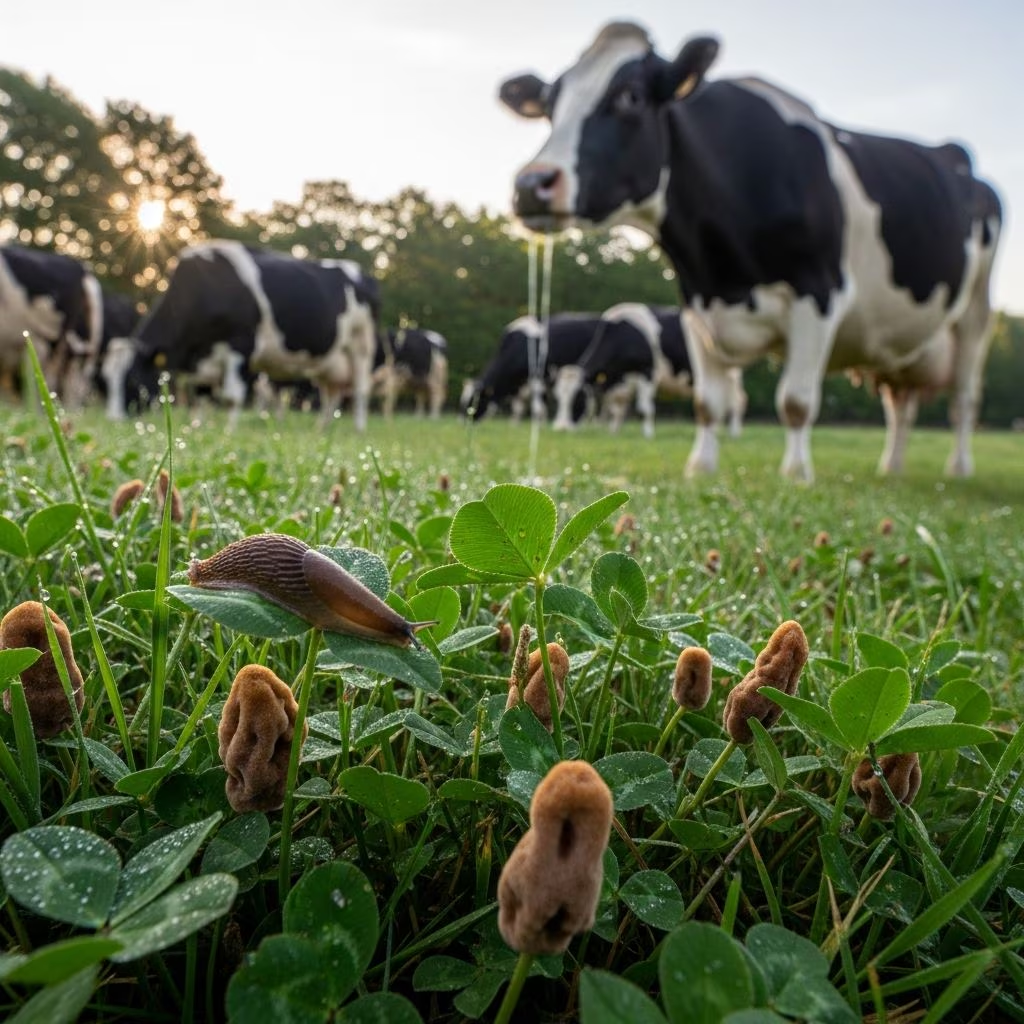
Slaframine poisoning, also known as slobbers syndrome, is a fungal toxicosis that affects horses, cattle, and other livestock after eating contaminated forage.…
Equine tooth eruption disorders can cause pain, poor chewing, weight loss, and performance decline if left untreated. This guide covers common causes,…
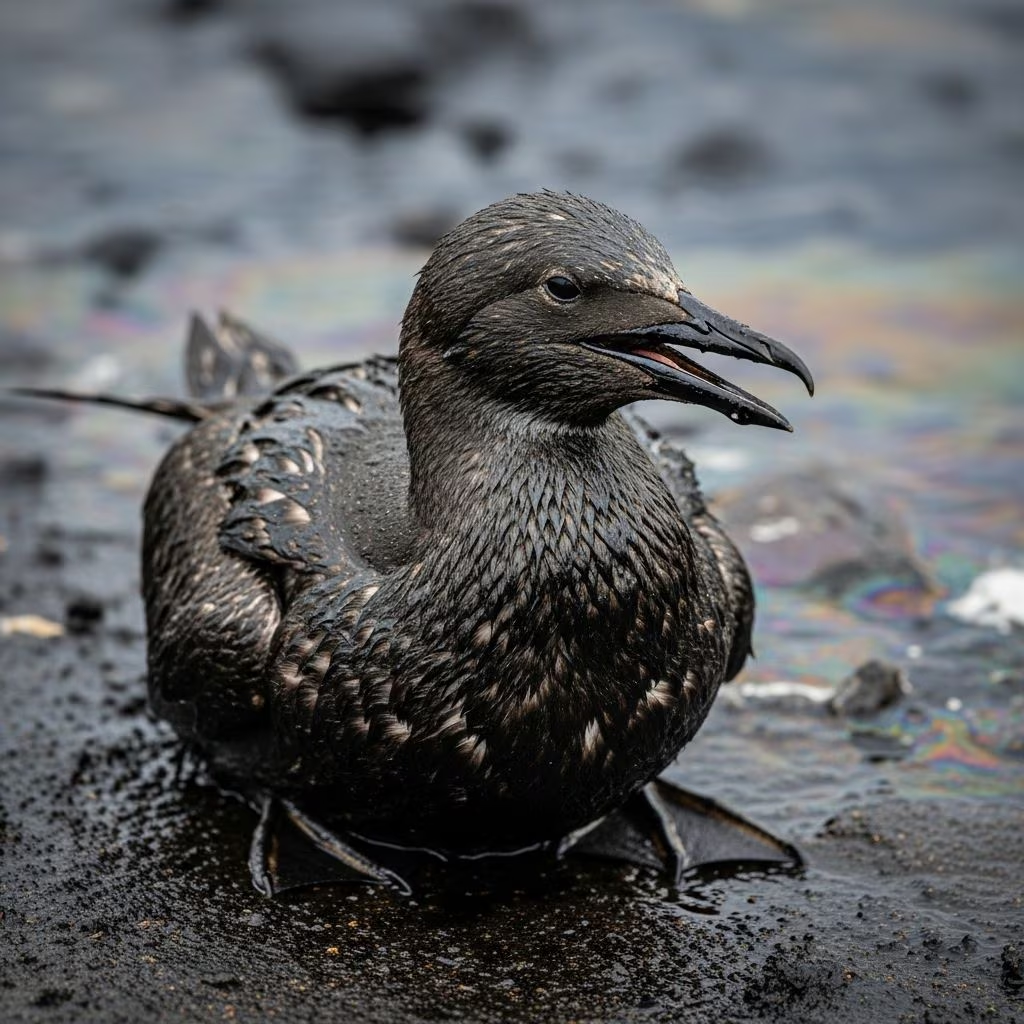
Petroleum hydrocarbon exposure can cause serious illness in pets, livestock, and wildlife through ingestion, inhalation, or skin contact. This guide covers key…
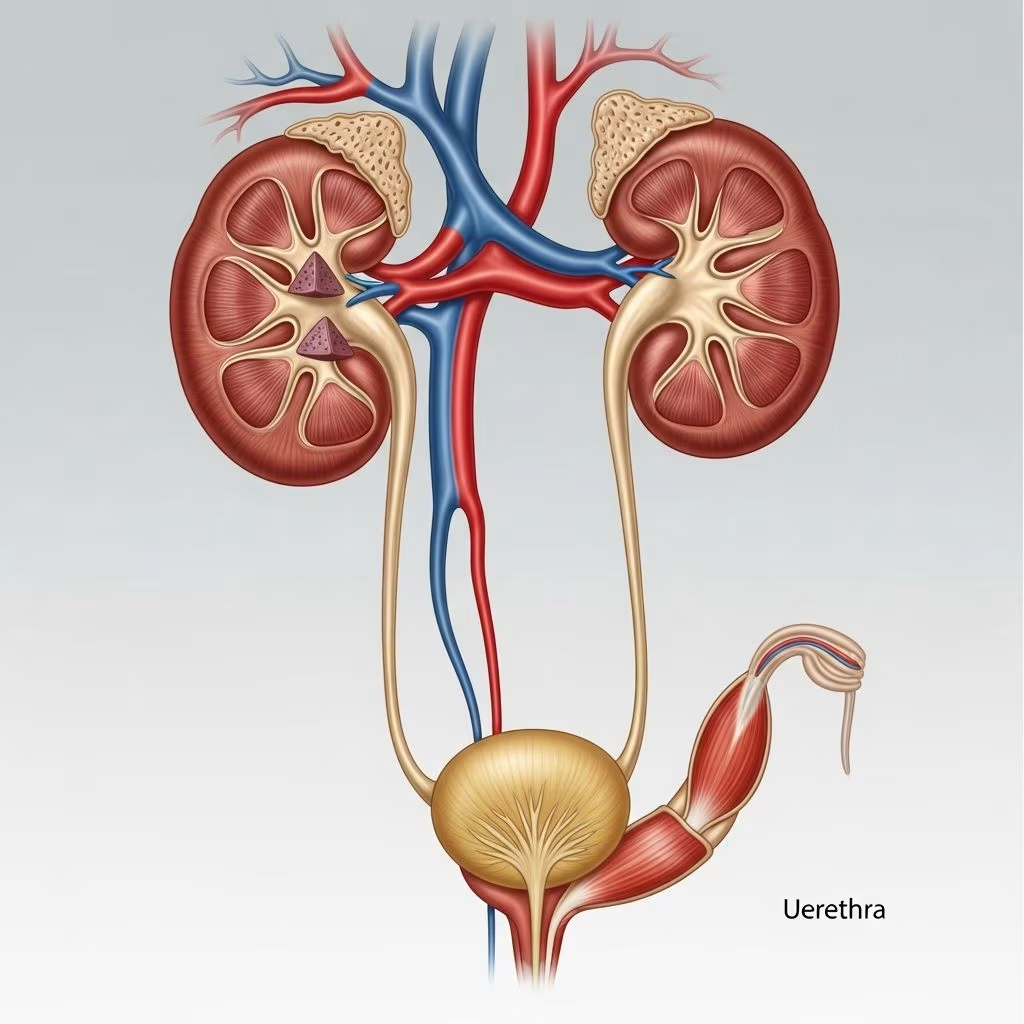
The animal urinary system filters blood, removes metabolic wastes, and helps regulate fluids, electrolytes, and acid-base balance. It includes the kidneys, ureters,…
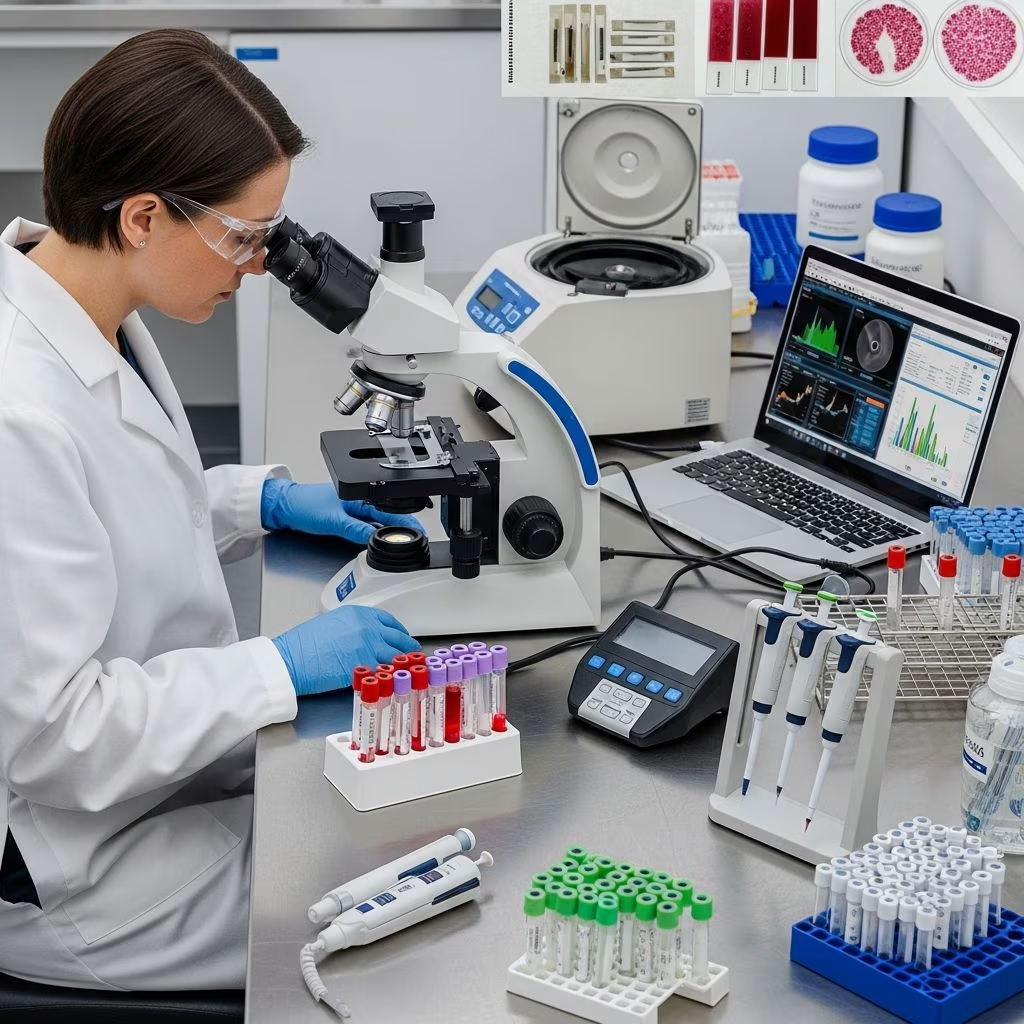
Veterinary clinical pathologists analyze blood, urine, and other samples to help diagnose disease in animals. They work closely with veterinarians to deliver…
Shelter medicine is a veterinary specialty focused on population health, disease prevention, and animal welfare in shelters and community programs. It combines…