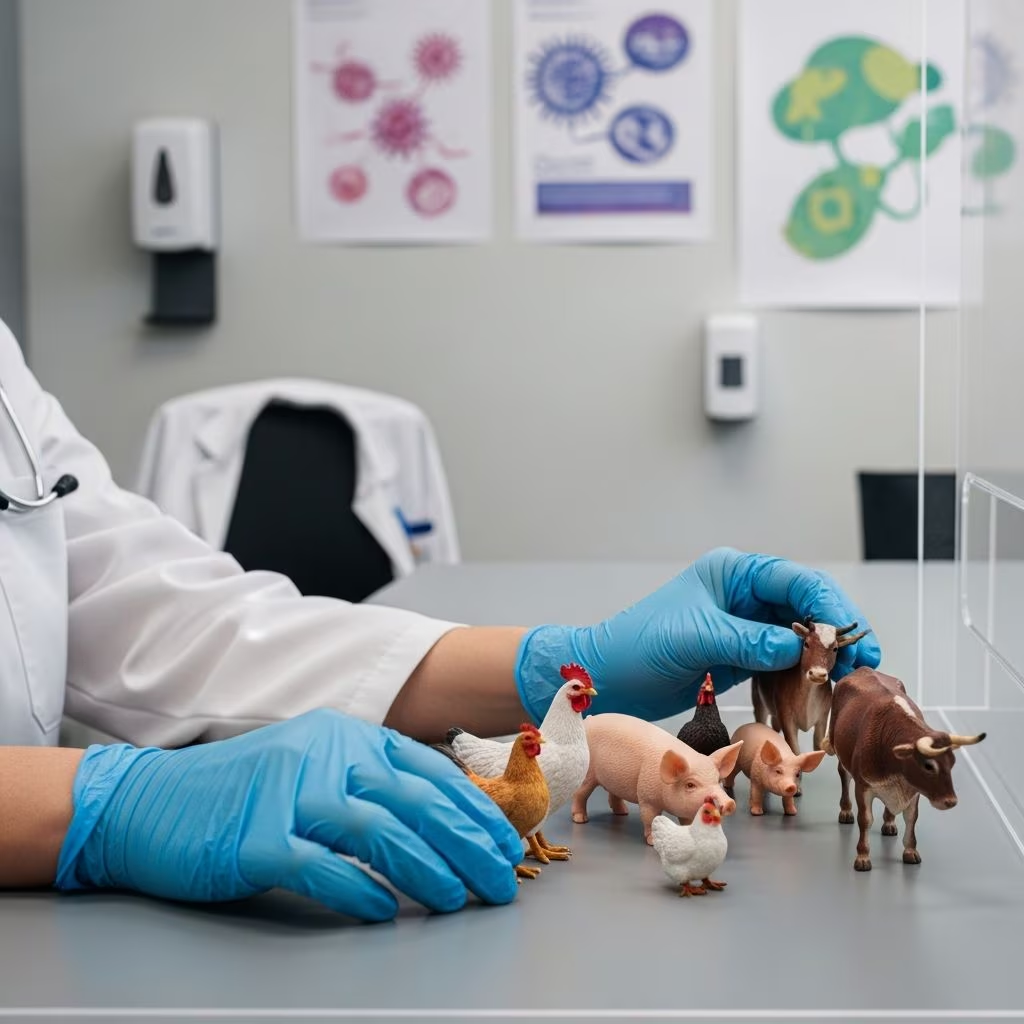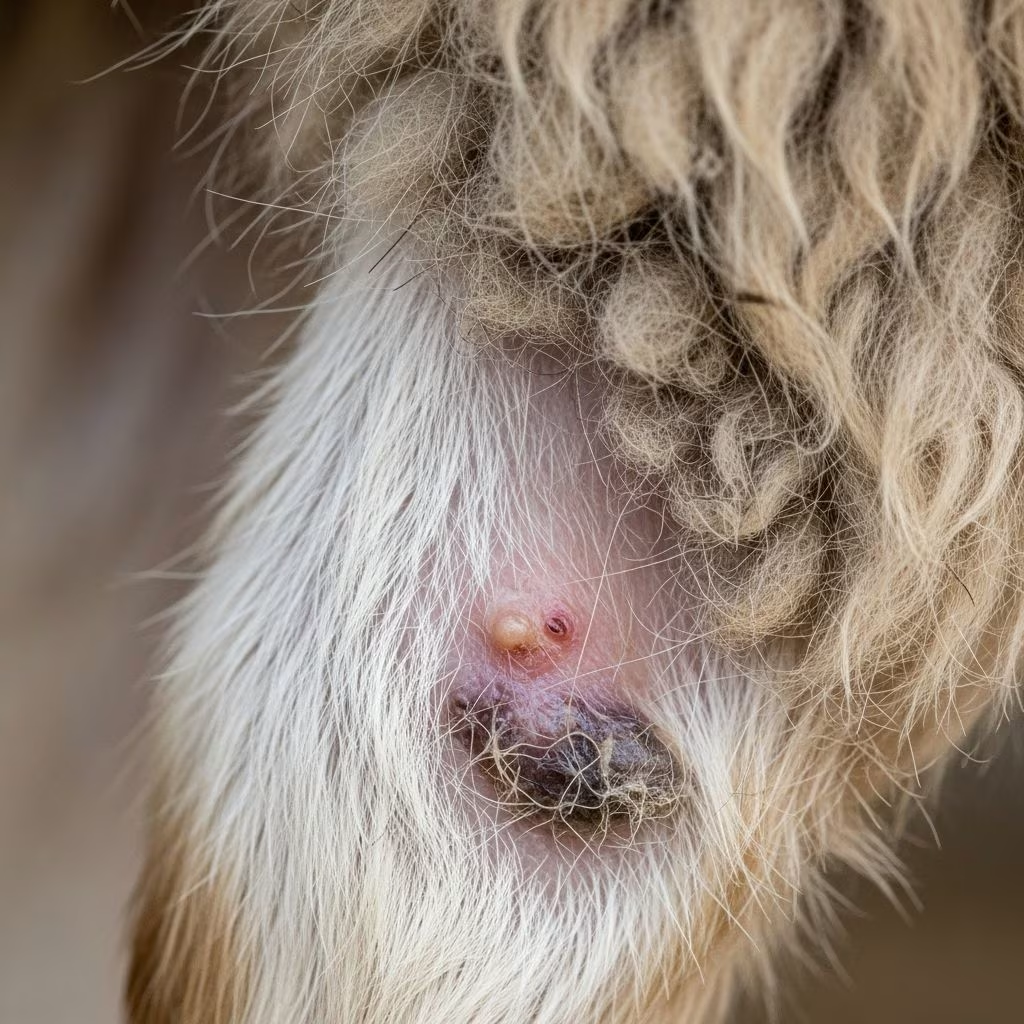
Zoonotic diseases can spread through pets, livestock, wildlife, food, and vectors like ticks and mosquitoes. Prevention depends on hygiene, vaccination, safe food…

Public health has saved millions of lives through vaccination, sanitation, safer roads and workplaces, and better maternal care. This overview highlights the…
Veterinary professionals face biological, chemical, physical, and ergonomic hazards every day. This guide explains the most common risks and the controls that…
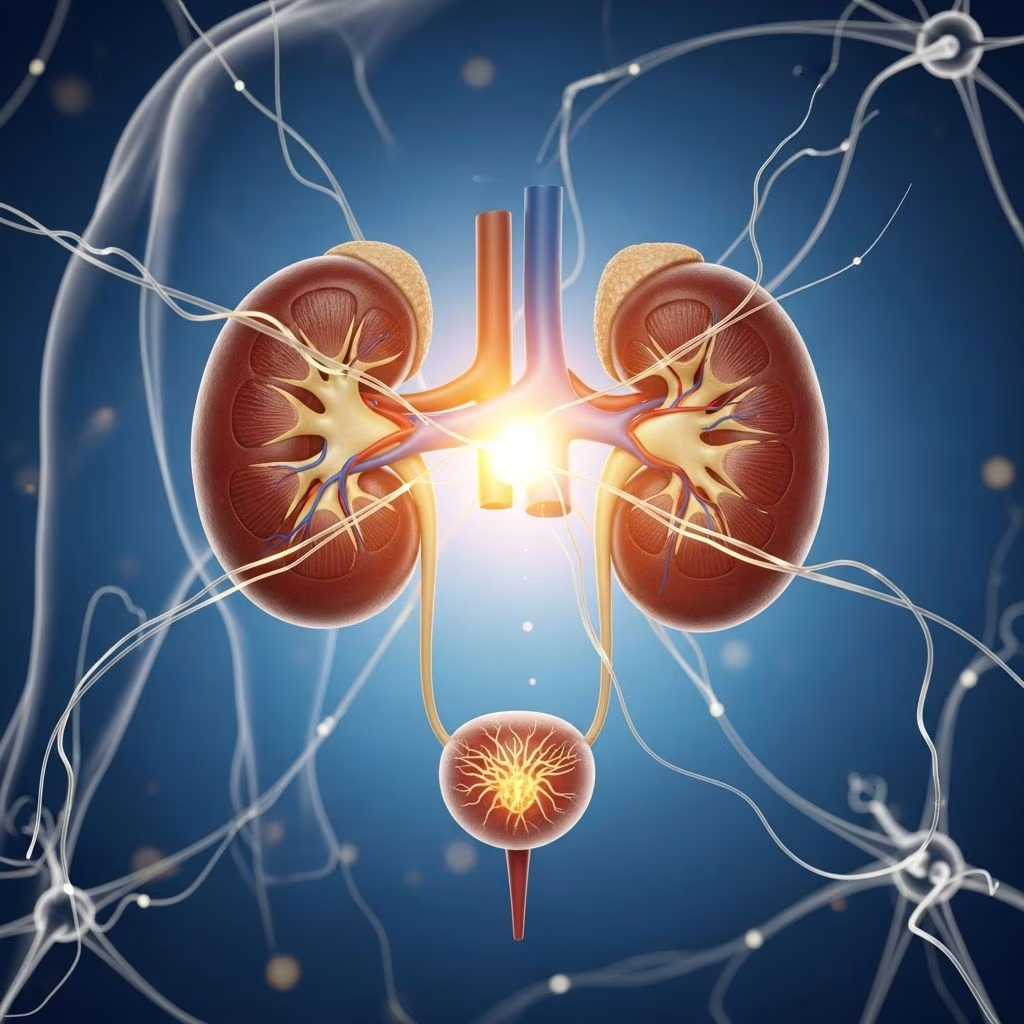
Dopamine is used in veterinary medicine to improve urine output and kidney perfusion, especially during acute renal crises. Its effects are dose-dependent…
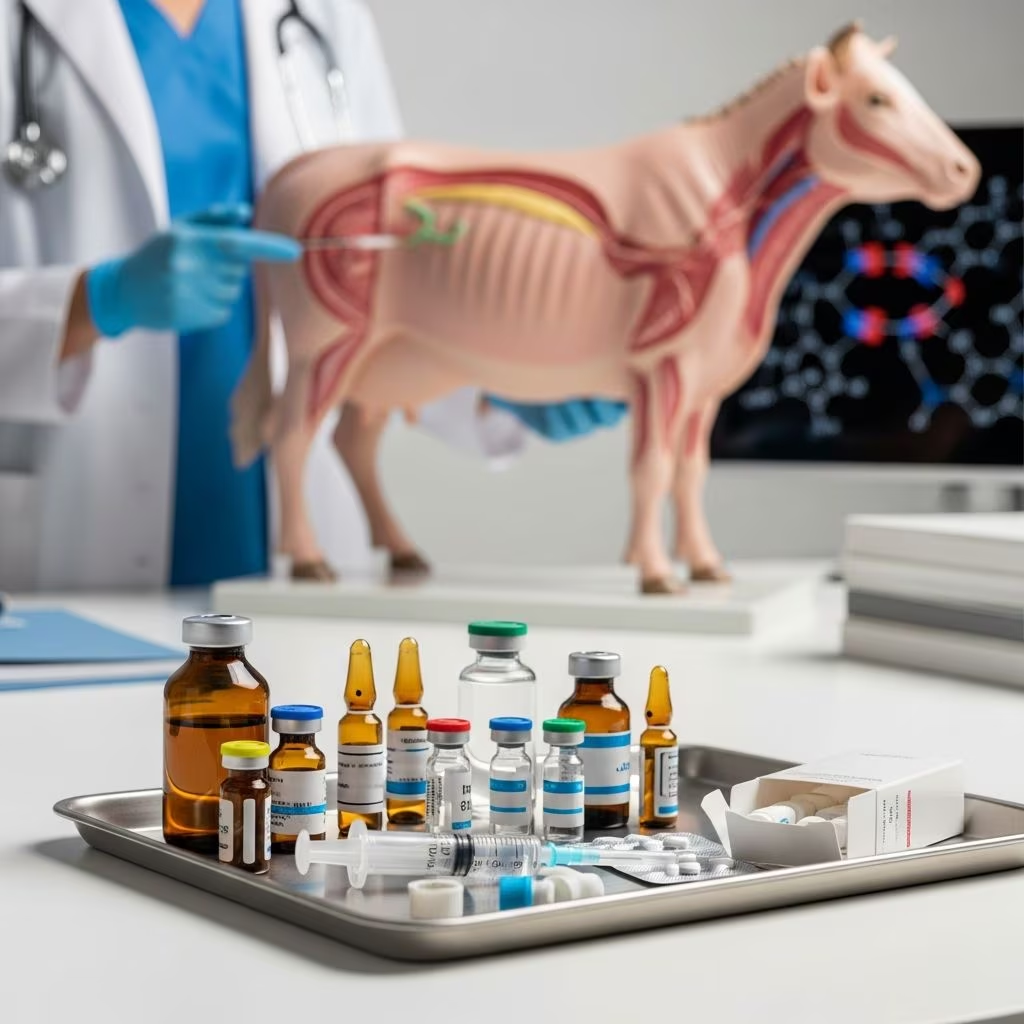
Veterinary reproductive pharmacotherapy uses hormones and related drugs to manage breeding cycles, induce ovulation, control estrus, and address emergencies. It supports species-specific…
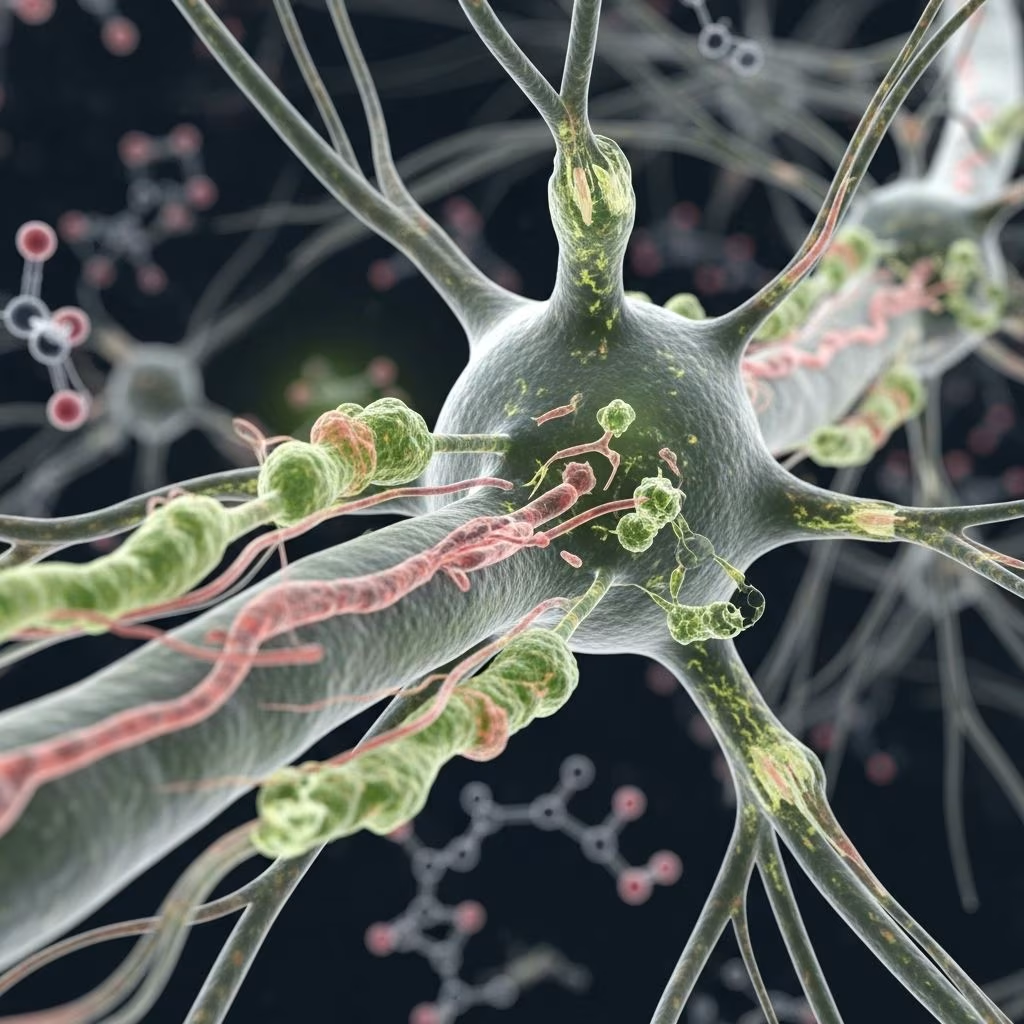
Toxic substances can damage the peripheral nervous system in animals, causing weakness, tremors, paralysis, and breathing trouble. This guide explains common toxins,…
Chemical residues from veterinary drugs, pesticides, and contaminants can enter meat, milk, eggs, and animal fibers. This guide explains safe limits, withdrawal…
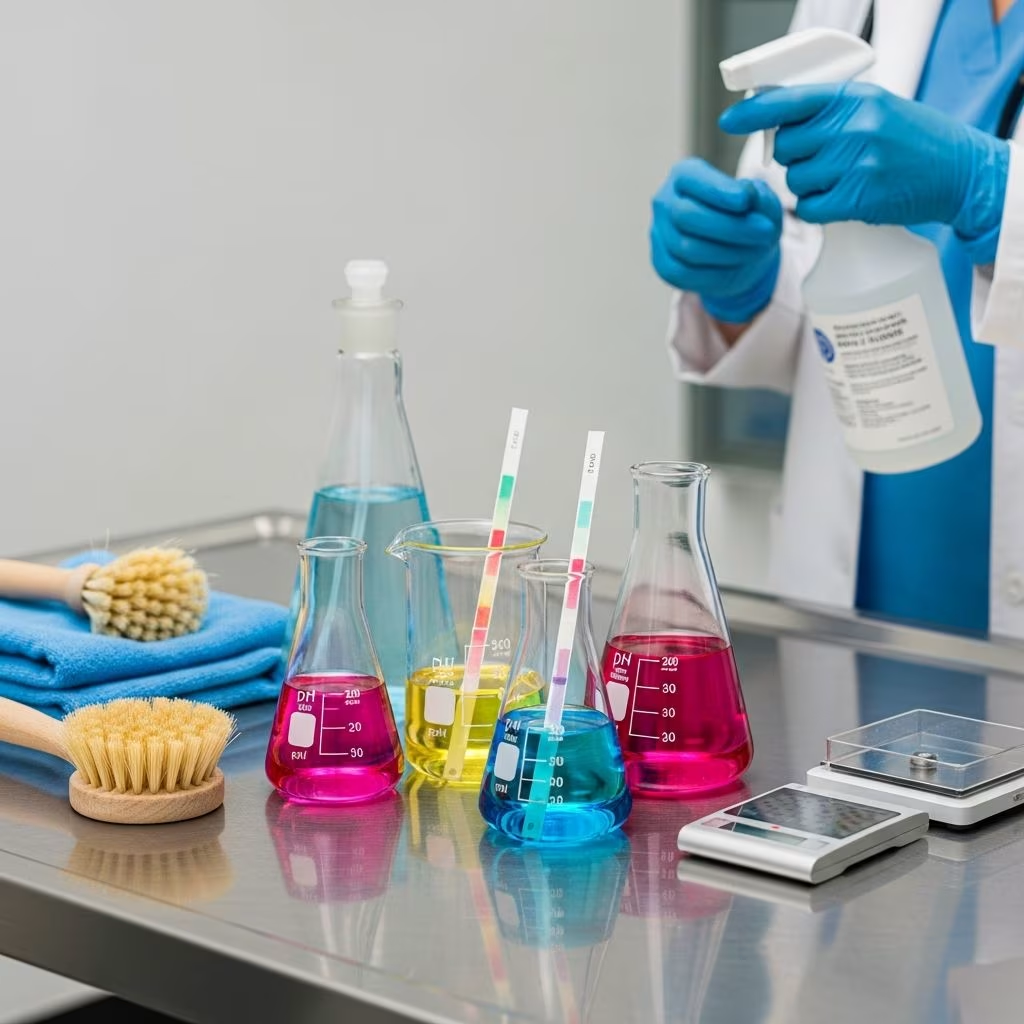
Acids and alkaline substances are used in veterinary medicine for wound care, antisepsis, and environmental disinfection. This guide explains how they work,…
This guide explains how veterinarians select antimicrobials based on mechanism, spectrum, safety, and pharmacokinetics. It also covers stewardship, resistance prevention, and One…