Essential fatty acids like omega-3 and omega-6 help support healthy skin barrier function, reduce inflammation, and improve coat quality in pets. Dogs…
Metal-based antimicrobial agents offer broad-spectrum, durable infection control in veterinary settings. Silver, copper, and zinc help reduce contamination, support disinfection, and address…
Systemic pharmacotherapeutics help manage veterinary skin disorders that topical treatments cannot fully control. Learn about key drug classes, interactions, monitoring, and species-specific…
Veterinary oncology is shifting from broad chemotherapy to targeted cancer therapies that act on specific tumor pathways. Learn how NSAIDs, tyrosine kinase…
Pyrimidine nucleosides are important compounds in veterinary medicine, used to help treat viral infections and support growth, metabolism, and immunity. They play…
Fungal infections in animals require careful drug selection based on pathogen, species, and site of disease. This guide covers major antifungal classes,…
Neurological disorders can mimic hoof and joint problems in cattle, causing ataxia, weakness, rigidity, or paralysis. This guide explains common causes, diagnosis,…
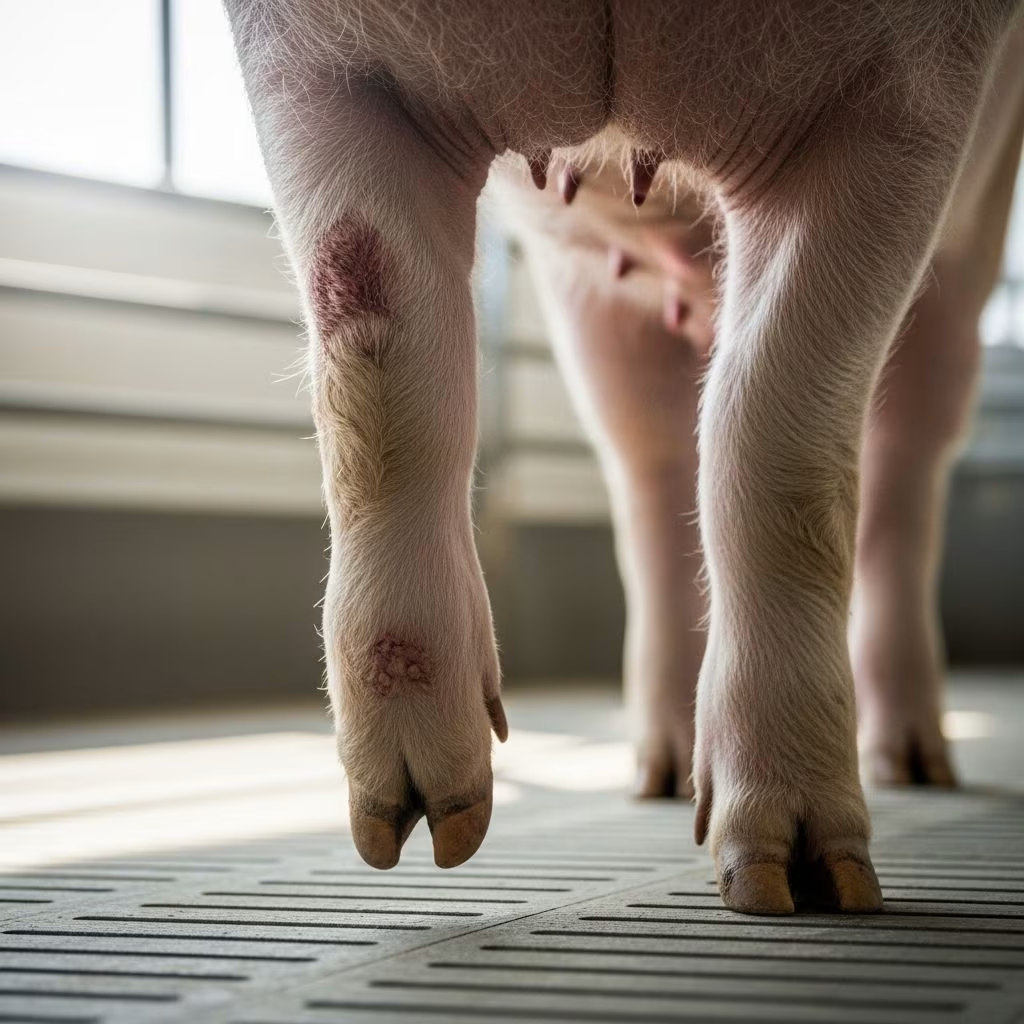
Lameness in lactating sows can stem from infection, injury, nutrition, or housing conditions, and it can quickly affect welfare and productivity. Early…
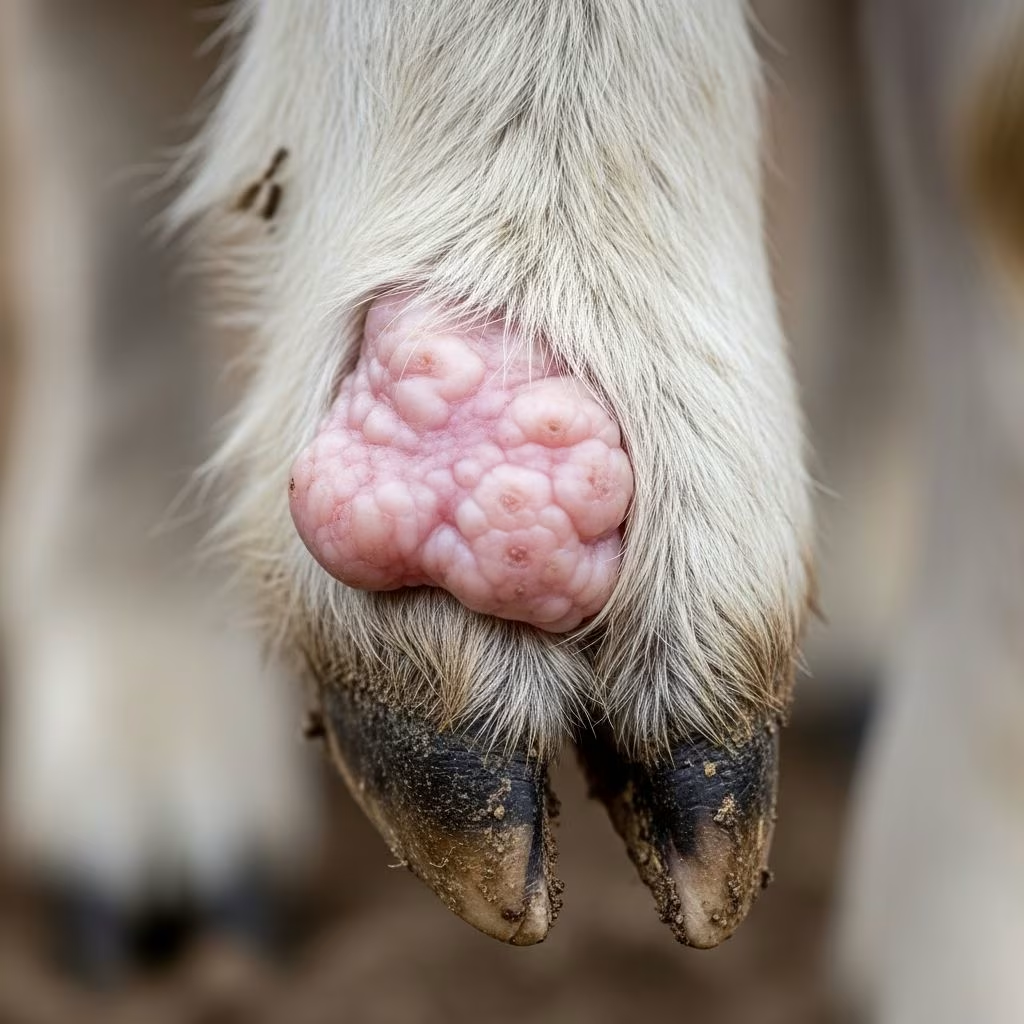
Interdigital fibromas are benign fibrous growths between the toes that can cause pain, lameness, and secondary infection in sheep. This guide explains…
Streptogramins are narrow-spectrum antibiotics used in veterinary medicine, especially for food-producing animals and horses. They work by synergistically blocking bacterial protein synthesis…