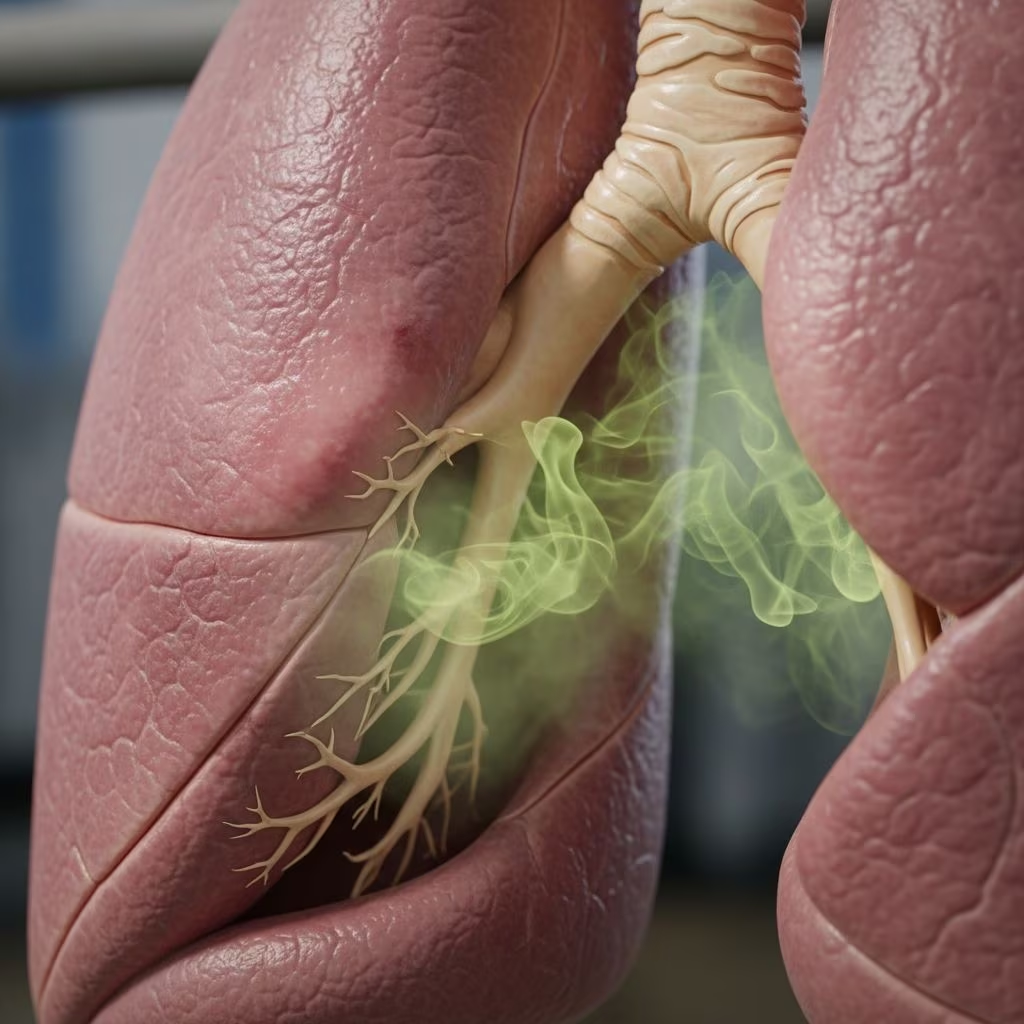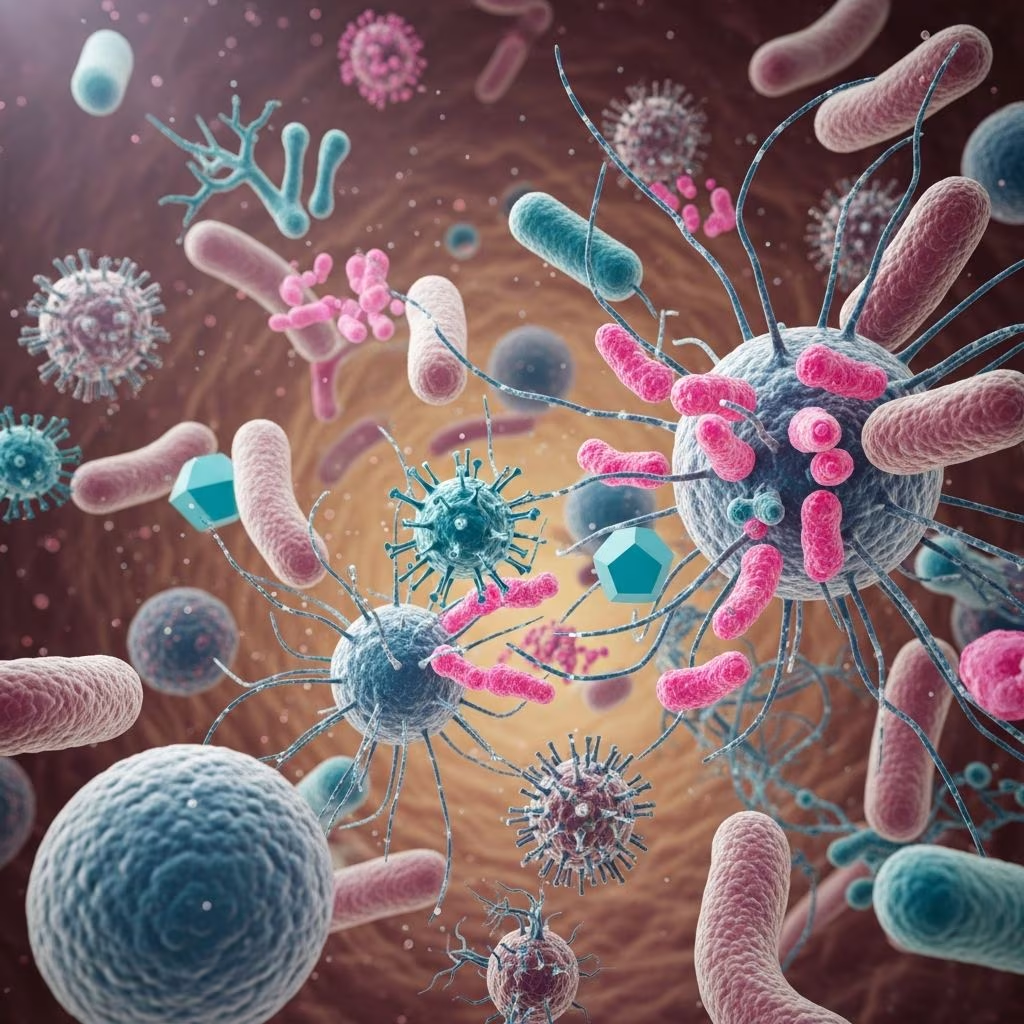
Pets use physical barriers, chemical defenses, and rapid innate responses to stop pathogens before infections spread. Their adaptive immune system then creates…

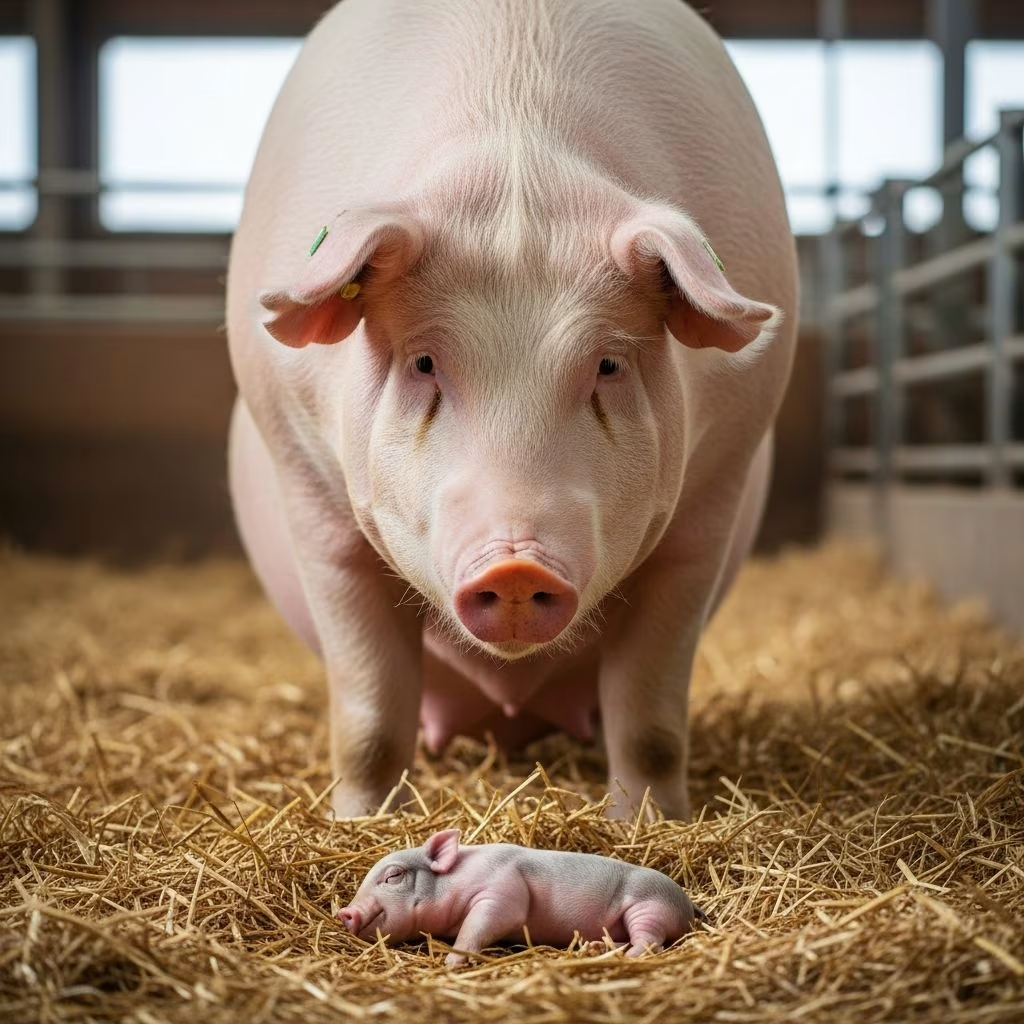
Pregnancy loss in swine is a major reproductive and economic challenge linked to infections, stress, nutrition, and environmental conditions. This guide explains…
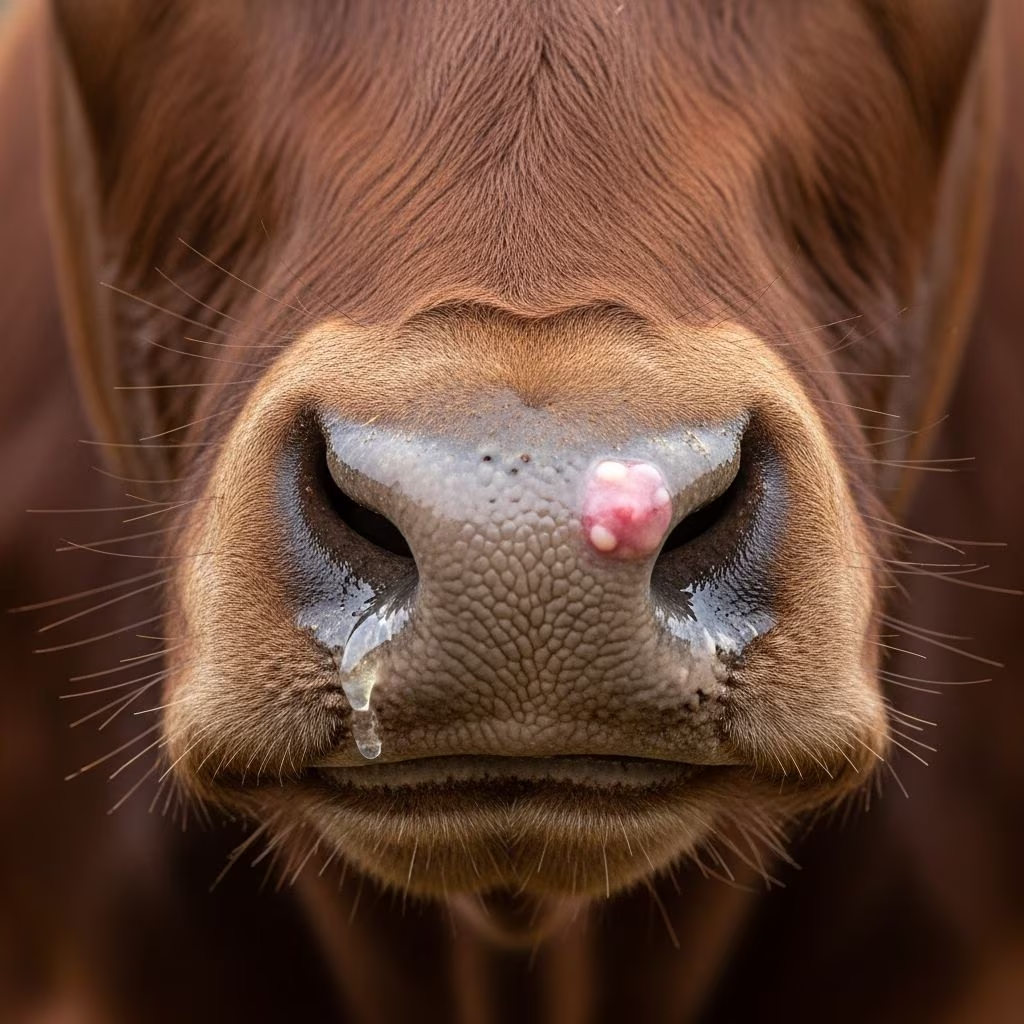
Cattle can develop non-infectious nasal disorders such as allergic rhinitis and enzootic nasal granuloma, causing discharge, irritation, and reduced productivity. Early diagnosis,…
Public health law uses statutes, regulations, and enforcement to improve population health and prevent harm. It balances government authority with individual rights…
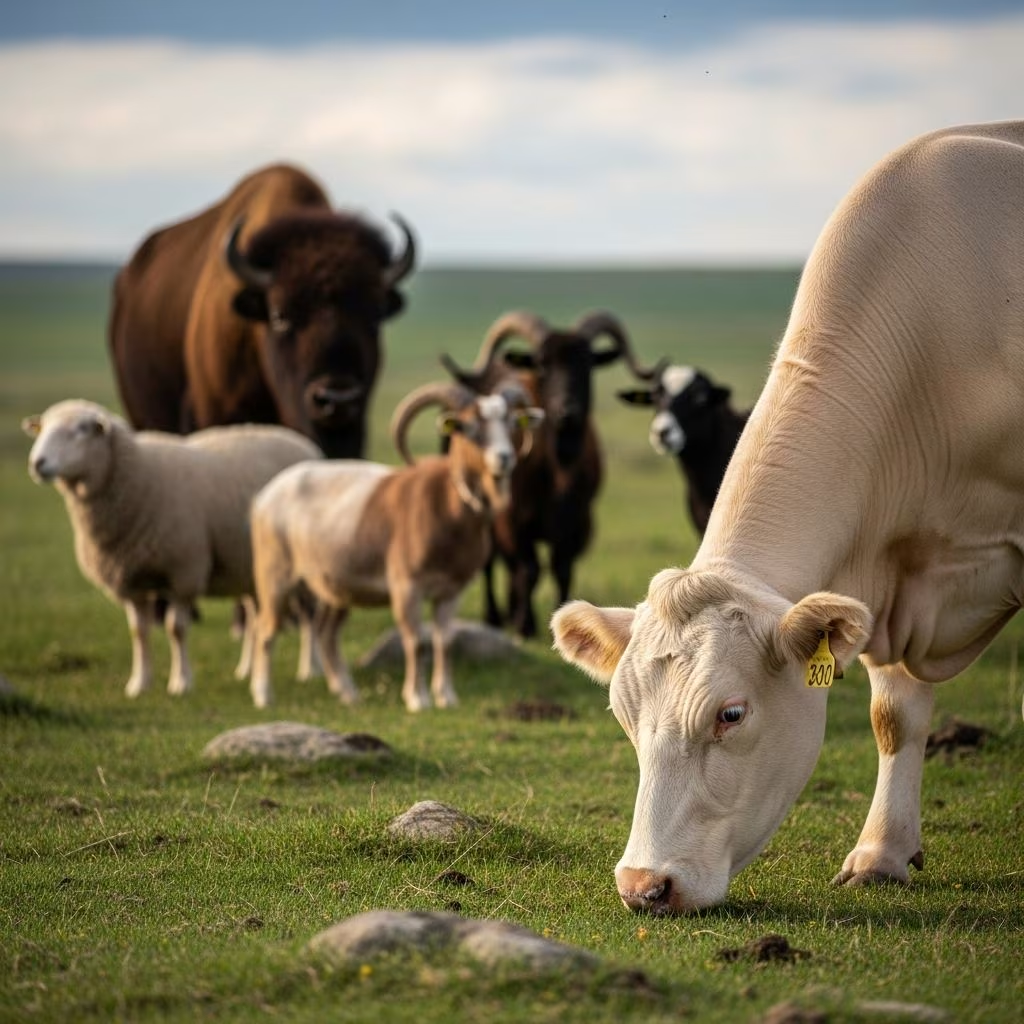
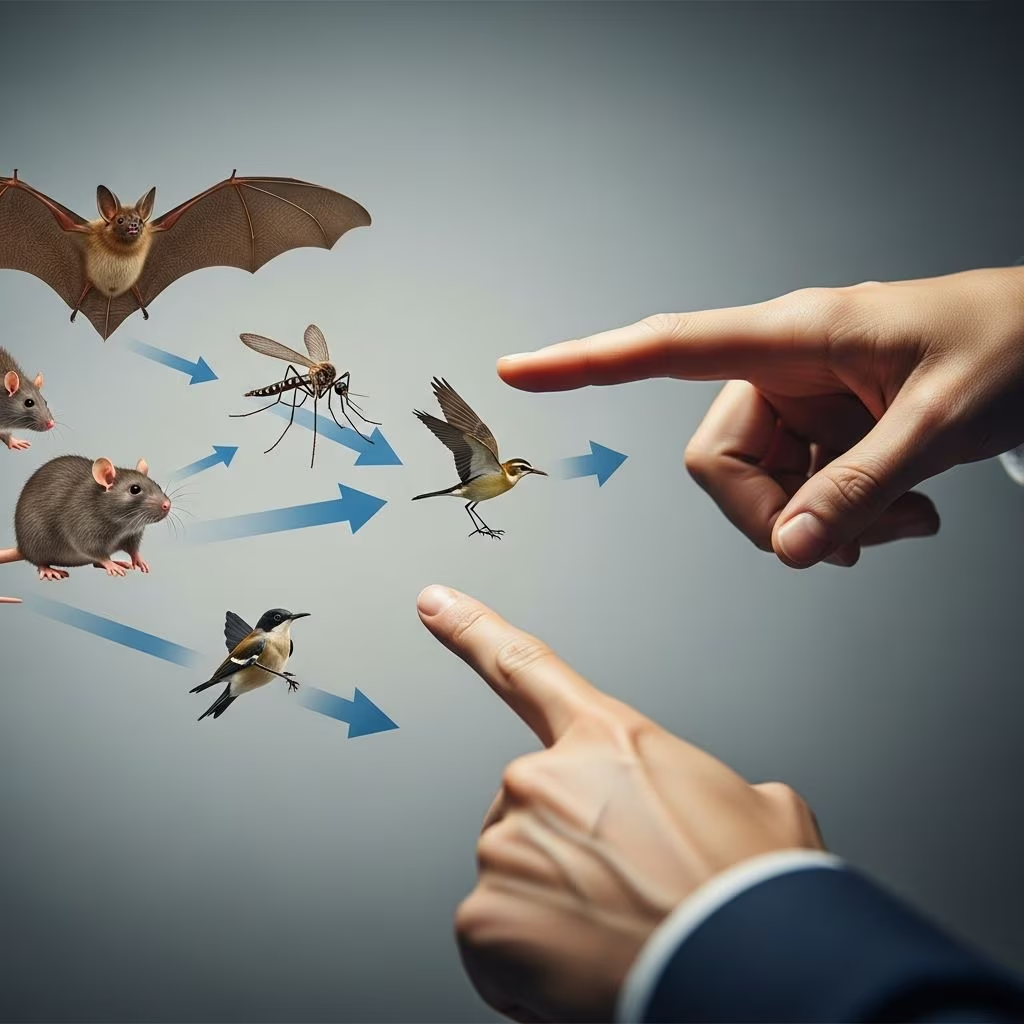
Zoonotic diseases are infections that can spread between animals and humans through contact, food, water, vectors, or the environment. They include bacterial,…
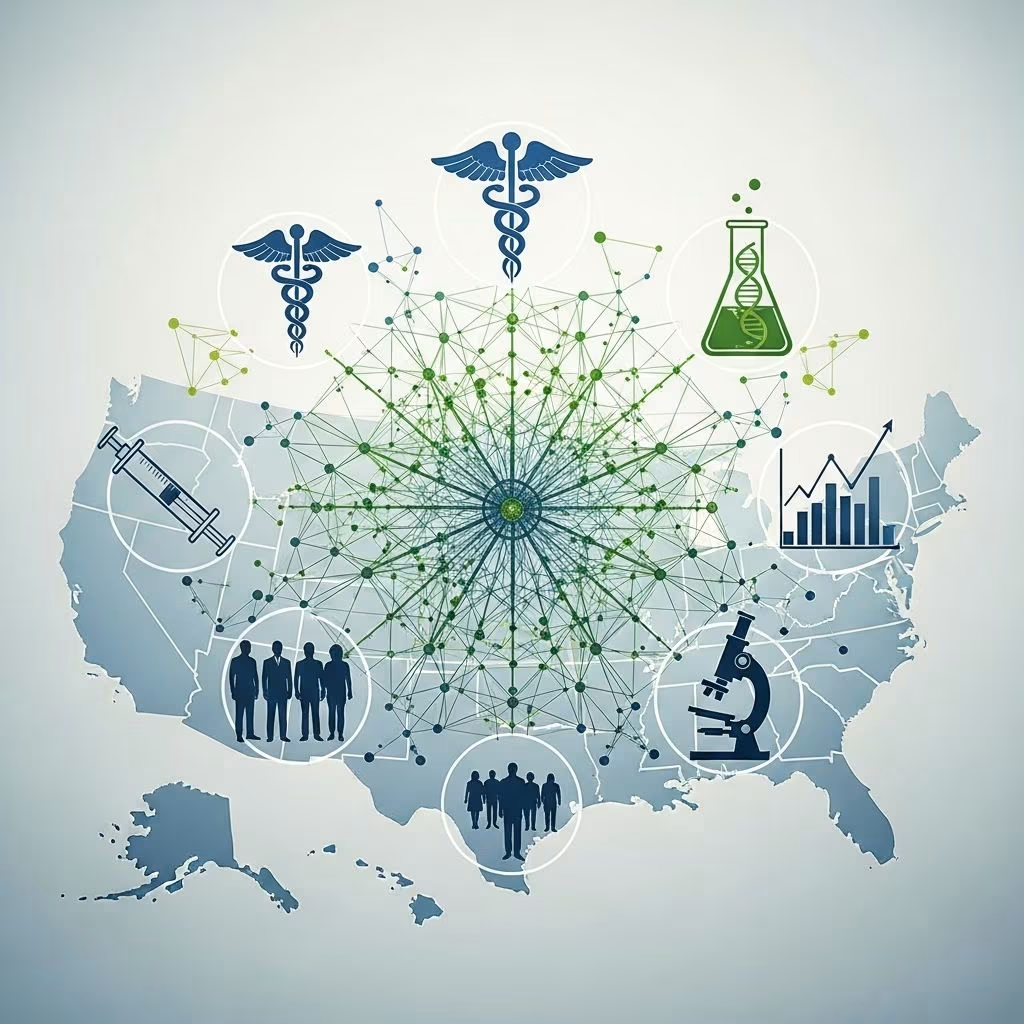
The U.S. public health system is decentralized, combining federal leadership, state authority, and local execution. It covers disease prevention, emergency response, environmental…
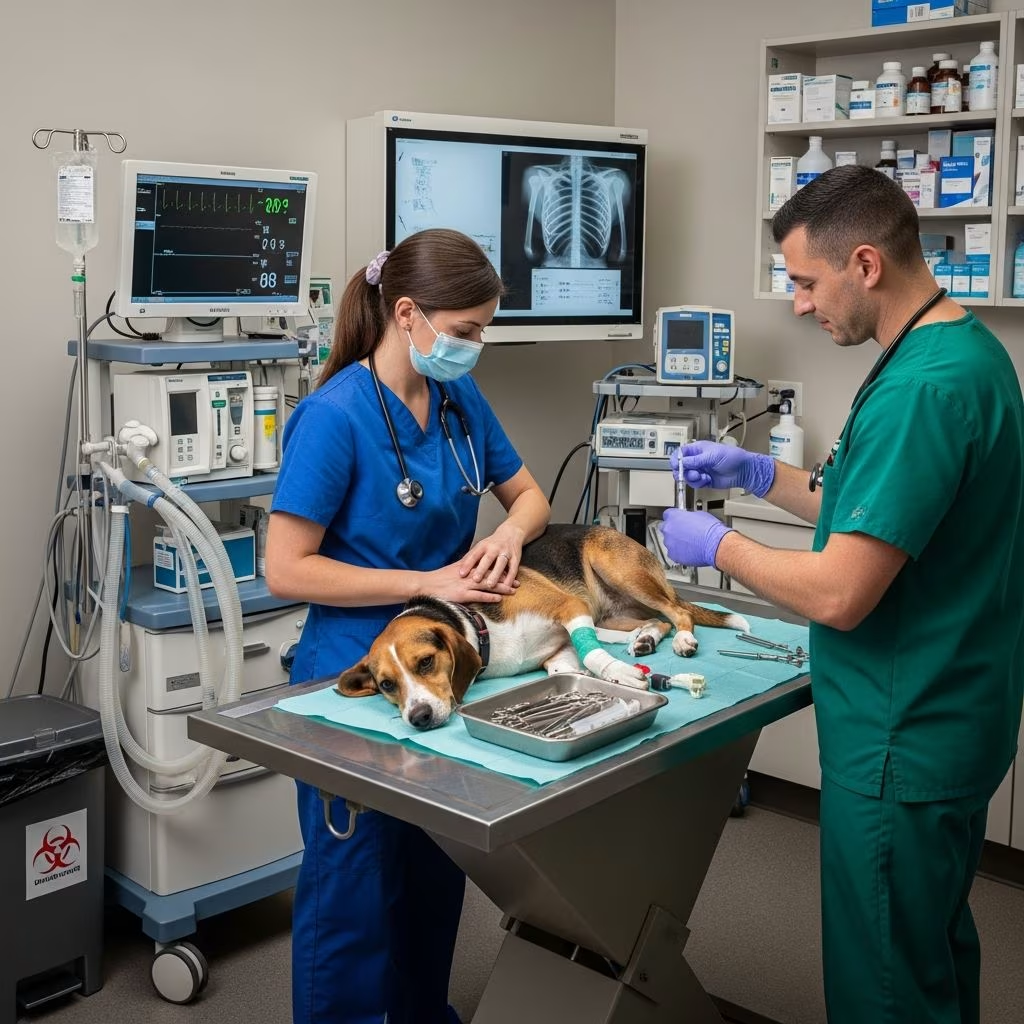
Veterinary professionals face risks from animal interactions, chemicals, sharps, noise, and ergonomic strain. This guide outlines the most common hazards and practical…
Veterinary vaccines can fail due to maternal antibodies, poor handling, timing errors, or pathogen mismatch. They may also cause adverse reactions ranging…