Veterinary antimicrobial polytherapy can broaden coverage, improve bacterial killing, and help slow resistance in complex infections. This guide explains when to combine…

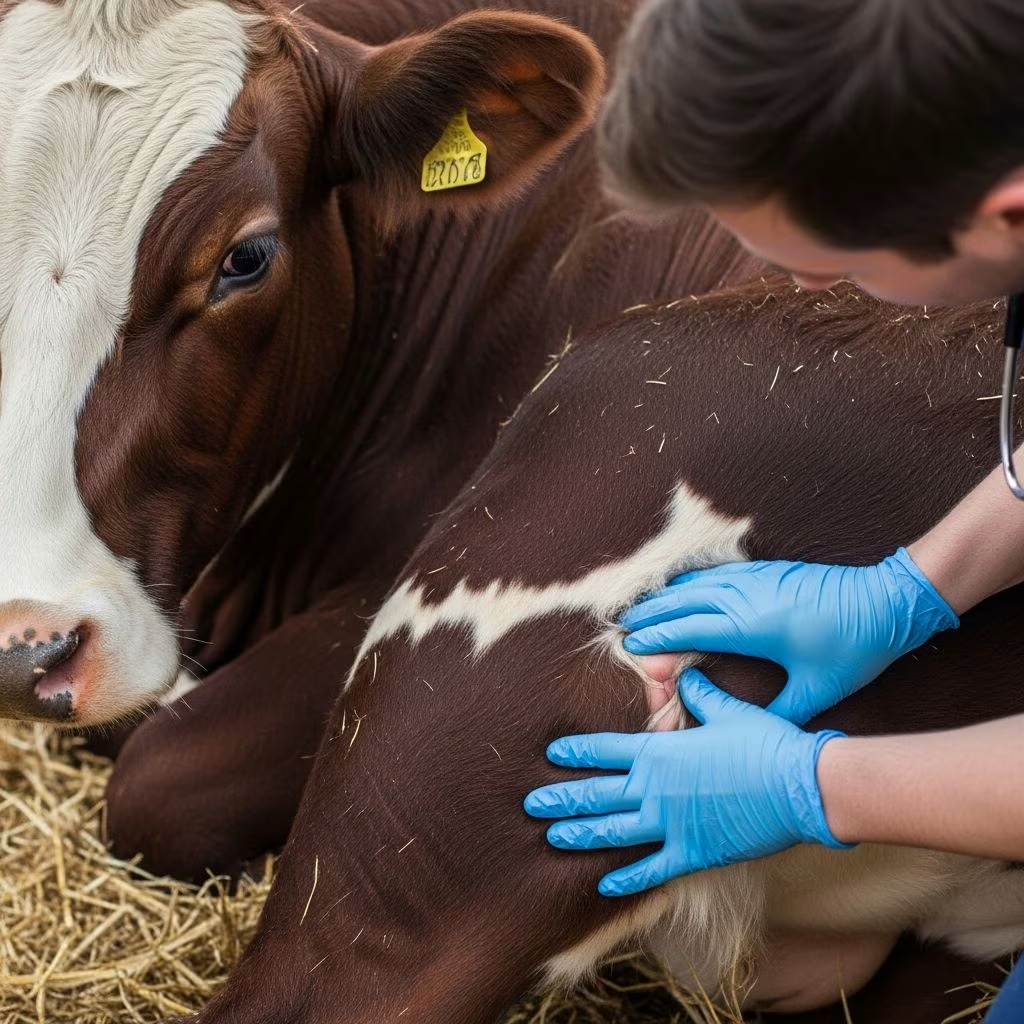
This guide explains how veterinary microbiology testing supports targeted antimicrobial therapy through proper sample handling, culture, identification, and susceptibility testing. It also…
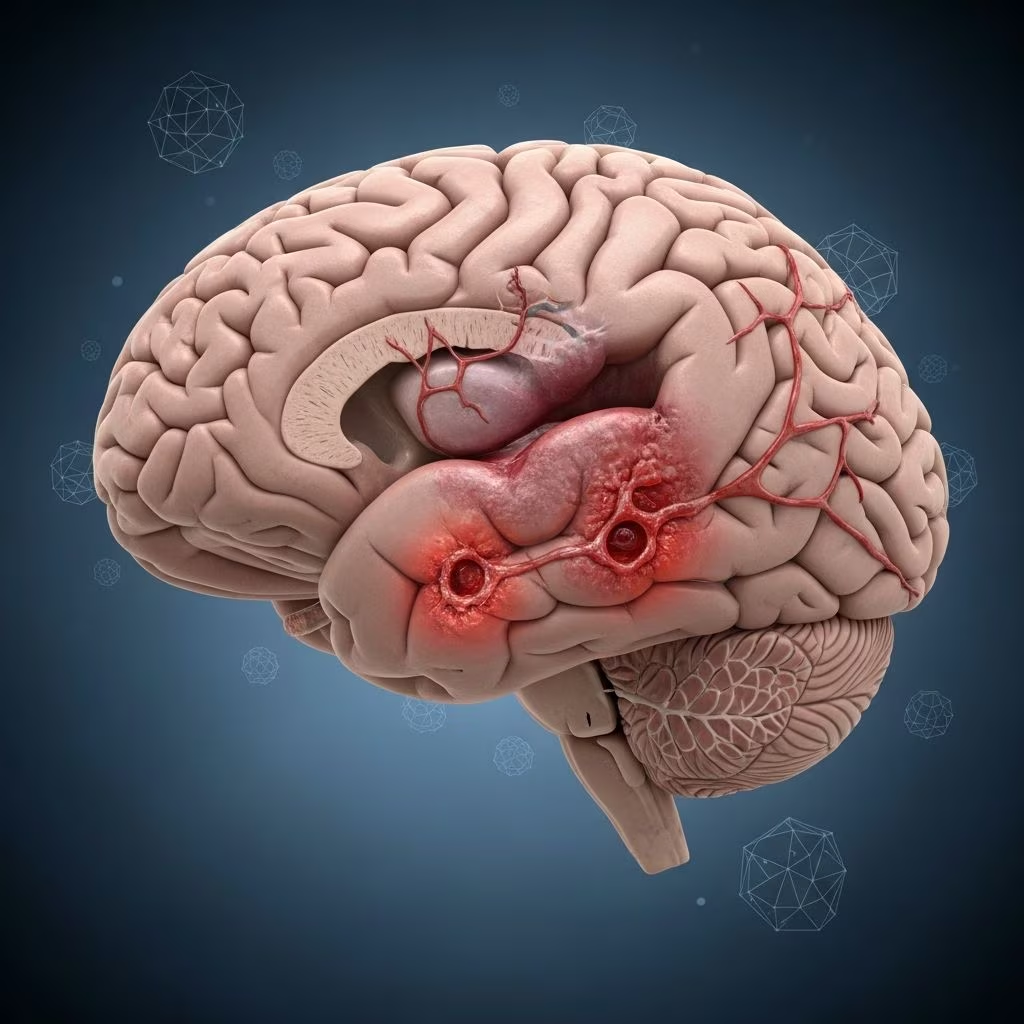
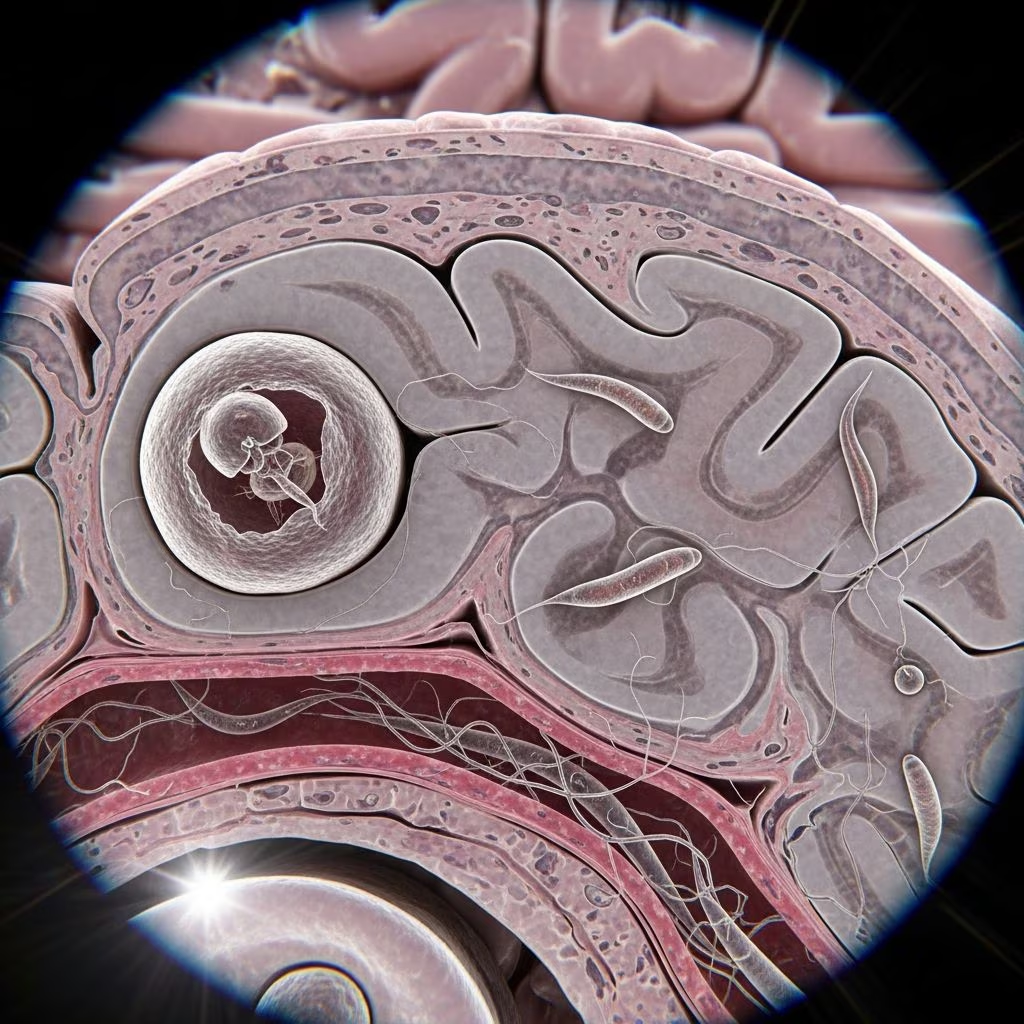
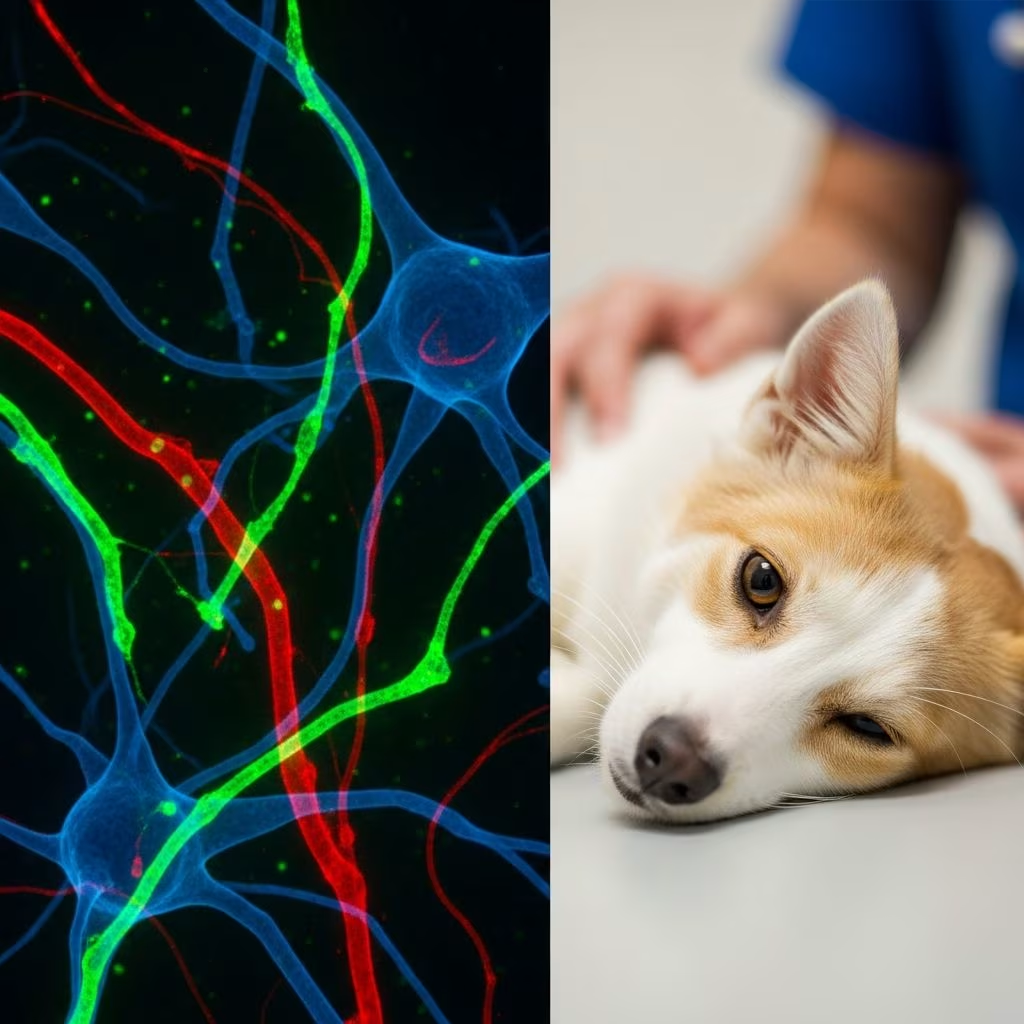
Trematode infections can cause serious central nervous system disease in animals through aberrant migration, cyst formation, or granulomatous inflammation. This overview covers…
Fluoropyrimidines, especially flucytosine, are specialized antifungal drugs used mainly against yeast infections in dogs and cats. They are most effective in combination…
Teschovirus encephalomyelitis is a highly serious neurological disease in pigs caused by neurotropic Porcine Teschovirus A strains. It can lead to paralysis,…
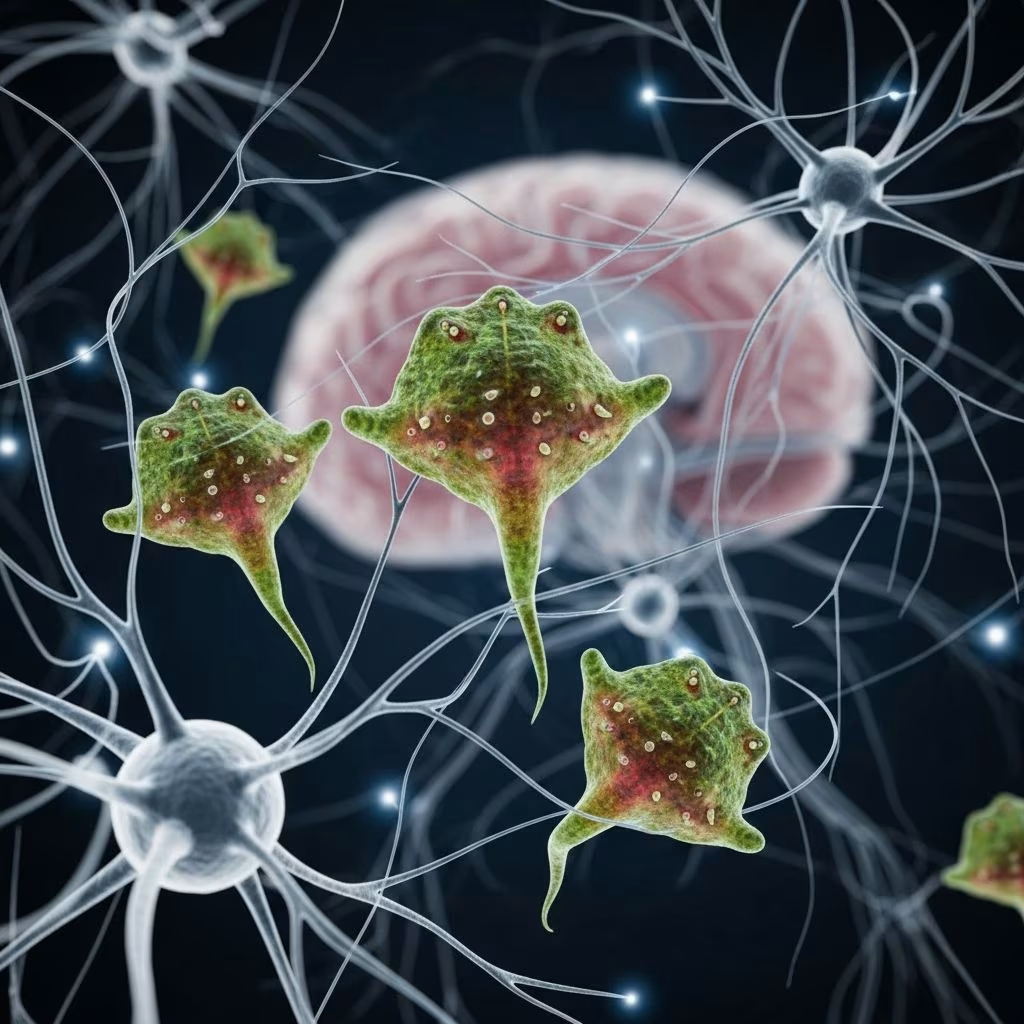
Parasitic infections of the central nervous system can cause severe neurological disease in animals through direct tissue damage and inflammation. This guide…
Congenital neurological disorders can affect movement, balance, behavior, and quality of life in pets and livestock. This guide explains common causes, warning…
Musculoskeletal disorders in animals can cause pain, lameness, and reduced mobility, especially in dogs and horses. This guide covers early signs, diagnostic…
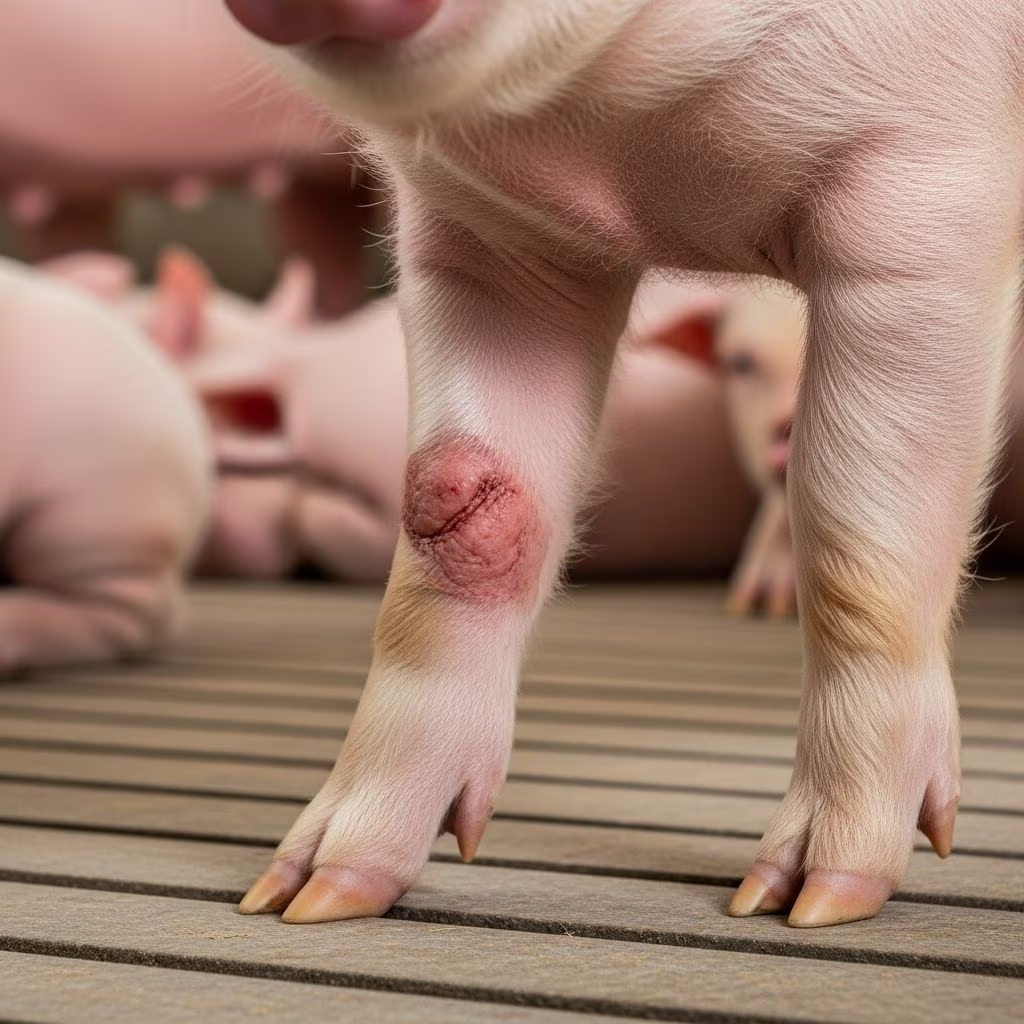
Lameness in nursery pigs can reduce growth, raise treatment costs, and create serious welfare concerns. This guide explains the main infectious, nutritional,…
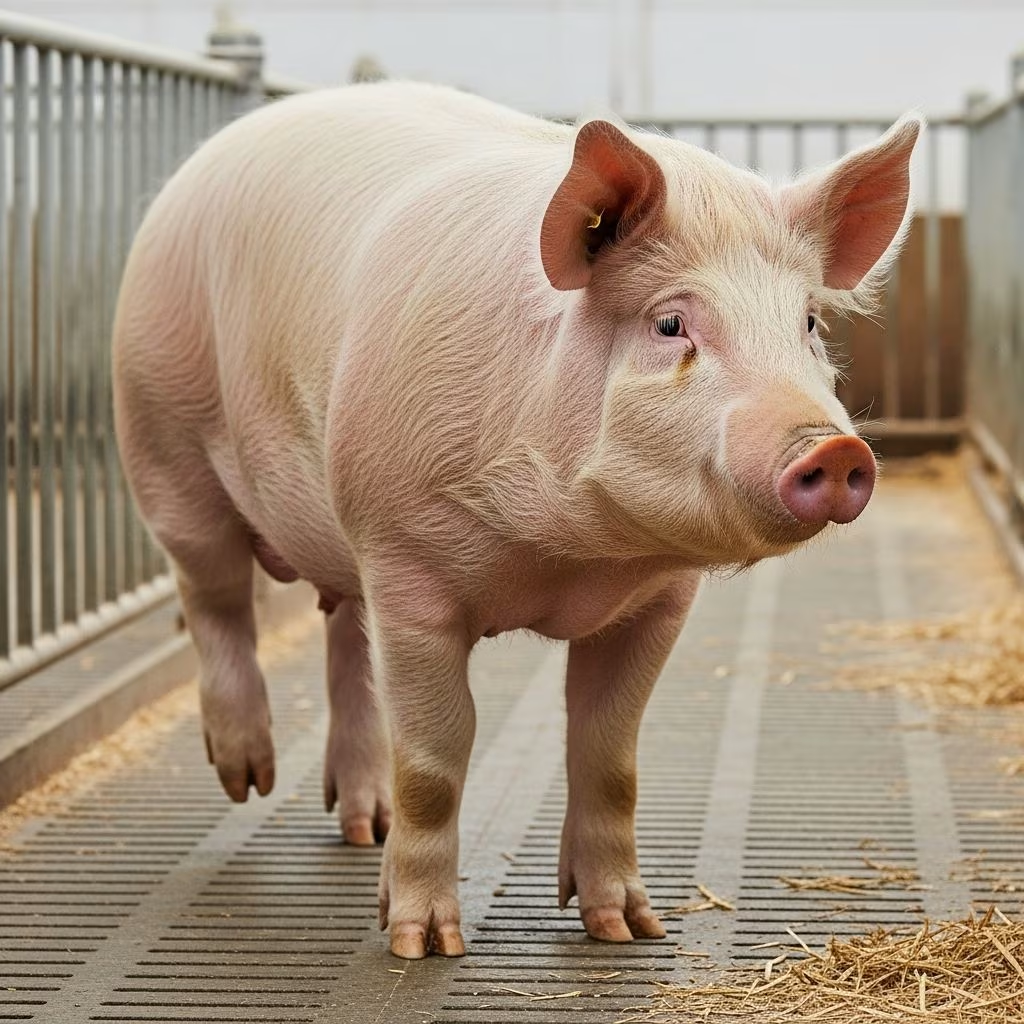
Lameness in breeding pigs can stem from infection, nutrition, genetics, or poor flooring, and it can quickly reduce herd performance. Early detection,…