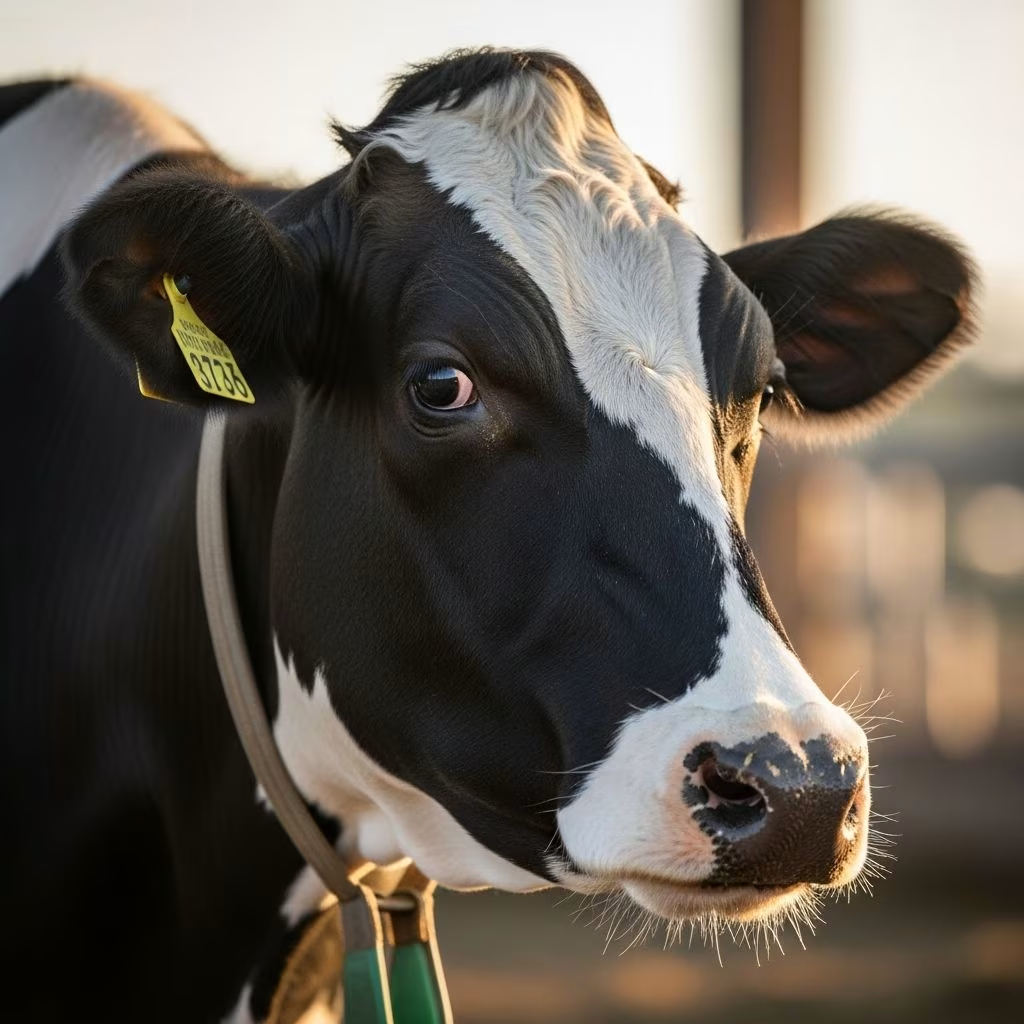
Hyperketonemia, or ketosis, is a common transition-cow disorder driven by negative energy balance in high-producing dairy herds. It can reduce milk yield,…
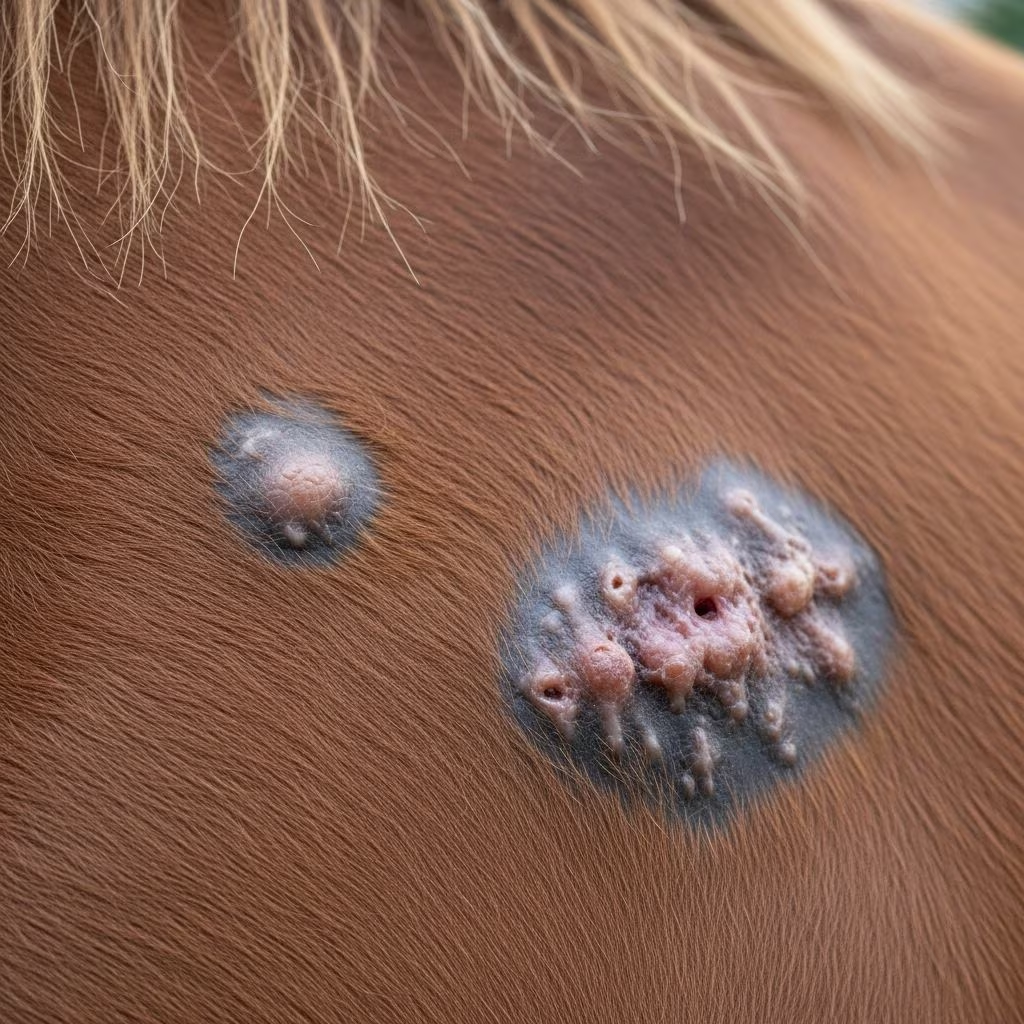
Equine sarcoids are the most common skin tumors in horses, donkeys, and other equids. This guide covers causes, types, symptoms, diagnosis, treatment,…
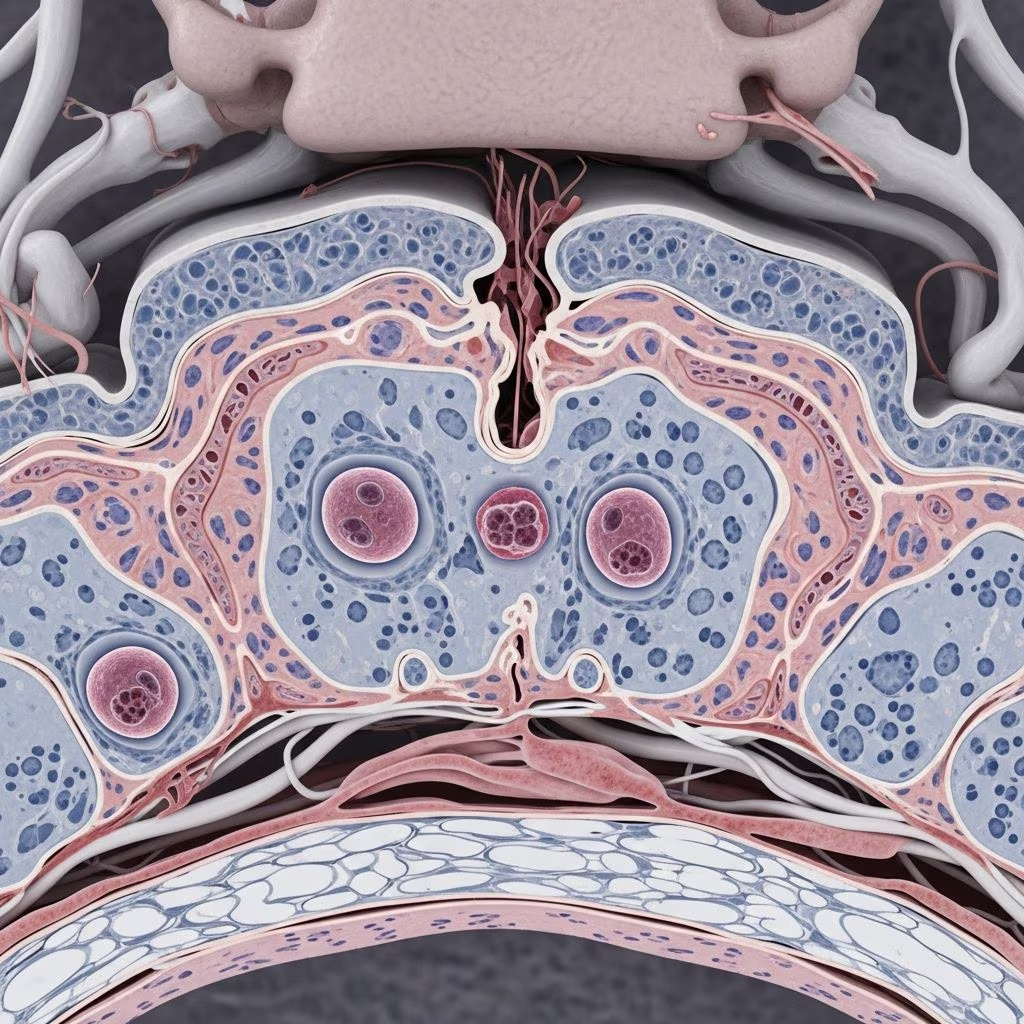
Equine Protozoal Myeloencephalitis (EPM) is a common neurological disease in horses caused by protozoan parasites. This guide explains the signs, diagnosis, treatment,…
Equine asthma is a common chronic respiratory disease caused by airway inflammation and environmental irritants. Diagnosis relies on clinical signs and bronchoalveolar…
Lead poisoning is a serious toxicology emergency in pets, livestock, and wildlife. It can cause neurological, gastrointestinal, and blood disorders after exposure…
Mercury poisoning can affect pets and wildlife through fish, spills, plants, or outdated medications. Early recognition and prompt veterinary treatment are essential…
Bacitracin is a peptide antibiotic widely used in veterinary medicine for intramammary, topical, ophthalmic, and feed applications. It helps control bacterial infections,…