Sneha is a pet care and lifestyle writer with a strong background in applied linguistics and certified training in animal-assisted relationship dynamics. She brings over five years of writing experience to taillanguage, crafting thoughtful, research-backed content that empowers pet parents to deepen their bond with their furry companions, enhance pet well-being, and embrace a happy, holistic lifestyle together.
Captive primates have highly specific nutritional needs that vary by species, age, and housing conditions. Proper balance of protein, fiber, vitamins, and…

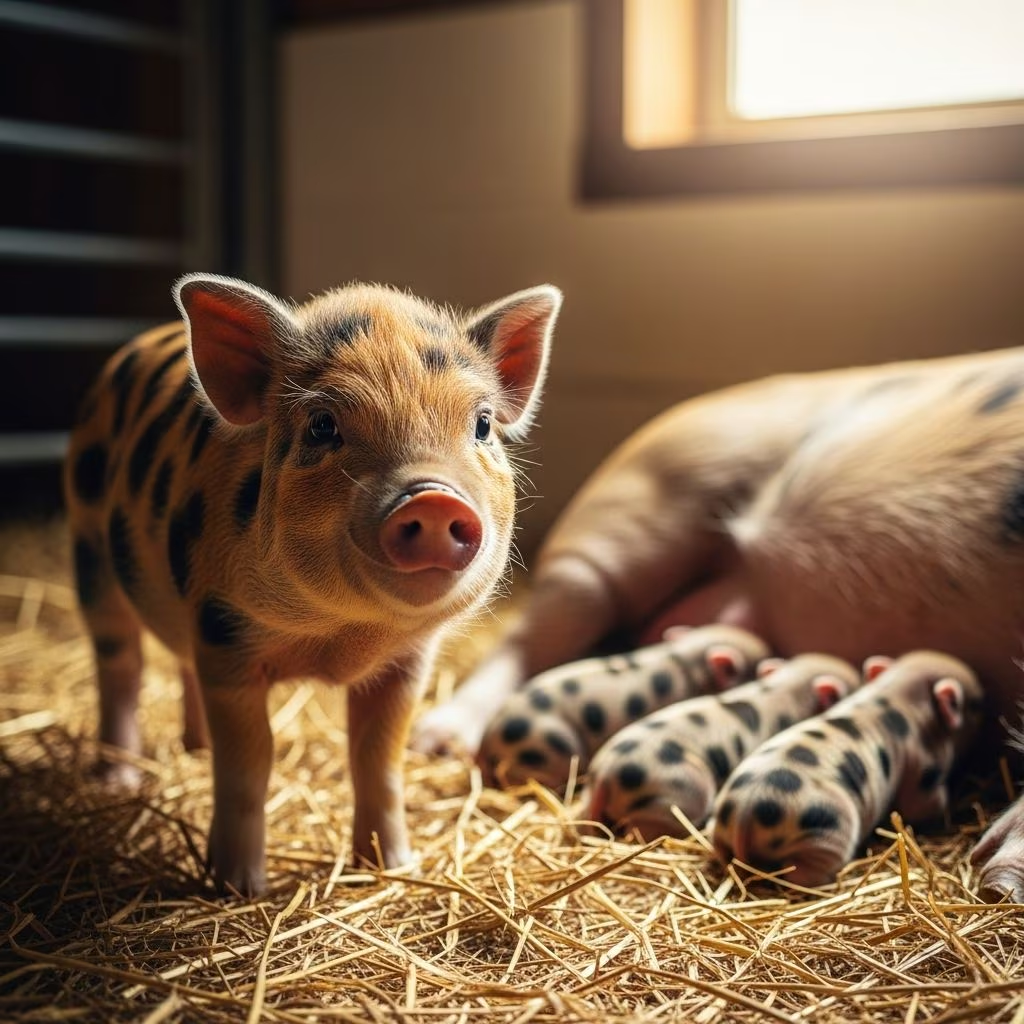
This guide explains miniature pig reproduction, including sexual maturity, heat cycles, mating, and artificial insemination. It also covers pregnancy management, farrowing preparation,…
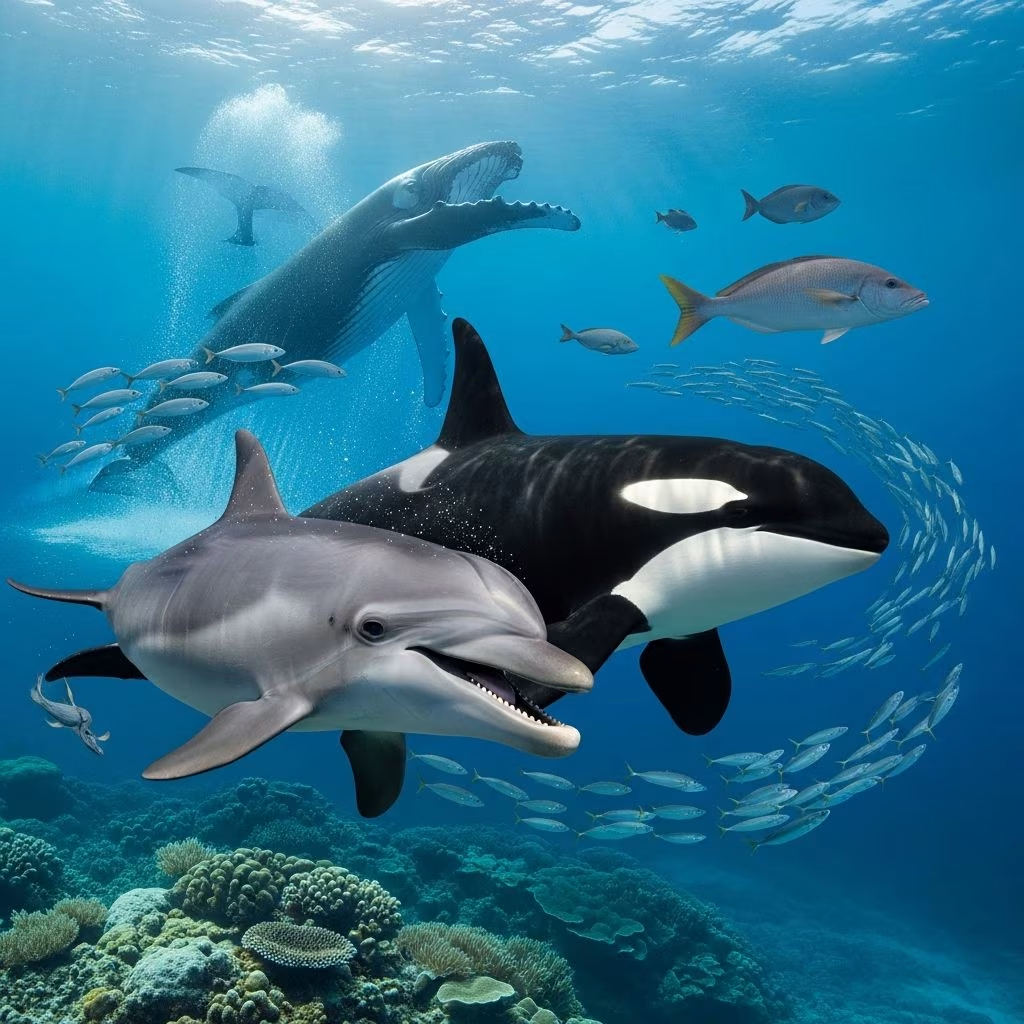
Captive marine mammals need specialized diets high in protein and fat, with minimal carbohydrates. Proper fish selection, micronutrient supplementation, and ongoing monitoring…
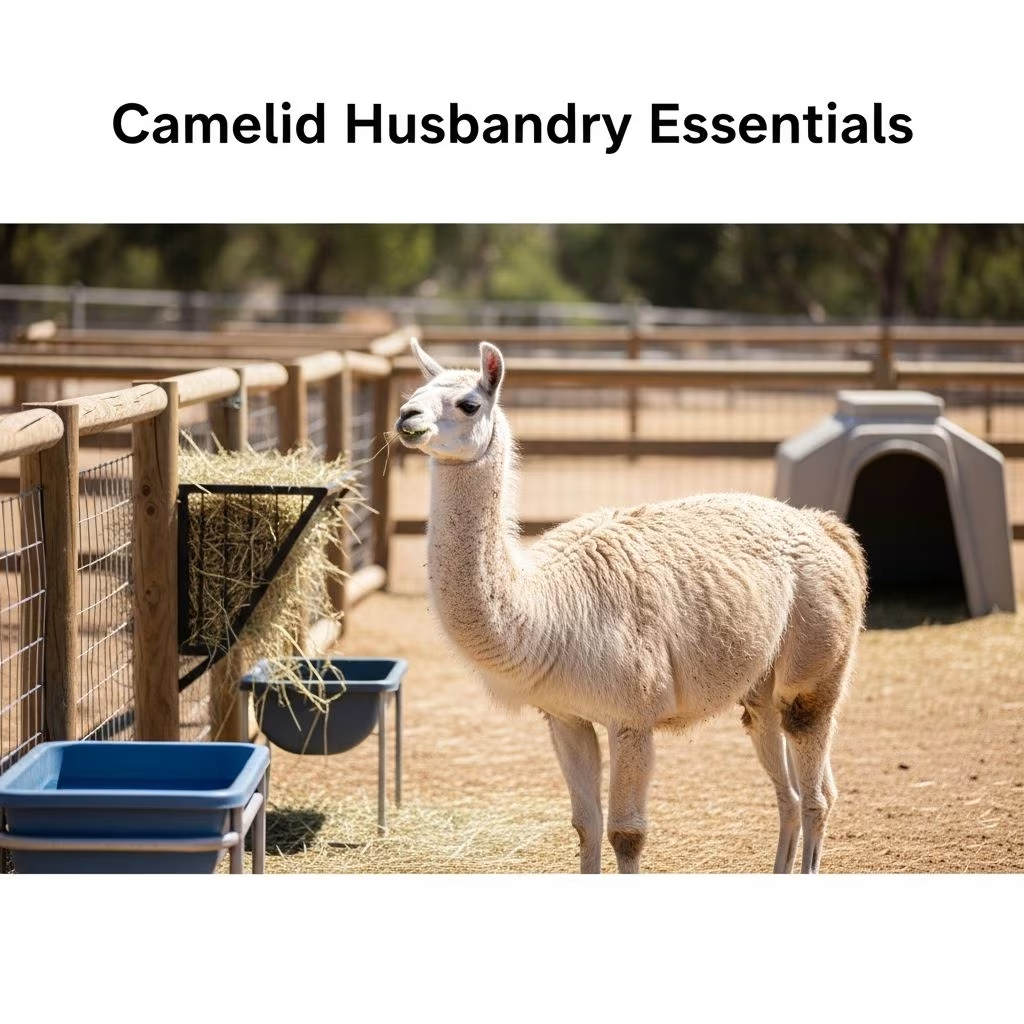
This guide covers the essentials of llama and alpaca care, including housing, nutrition, preventive health, and safe handling. It also explains reproductive…
Conduct regular health assessments to catch illness, parasites, and nutrition issues before they spread. This guide covers safe handling, physical checks, sampling,…
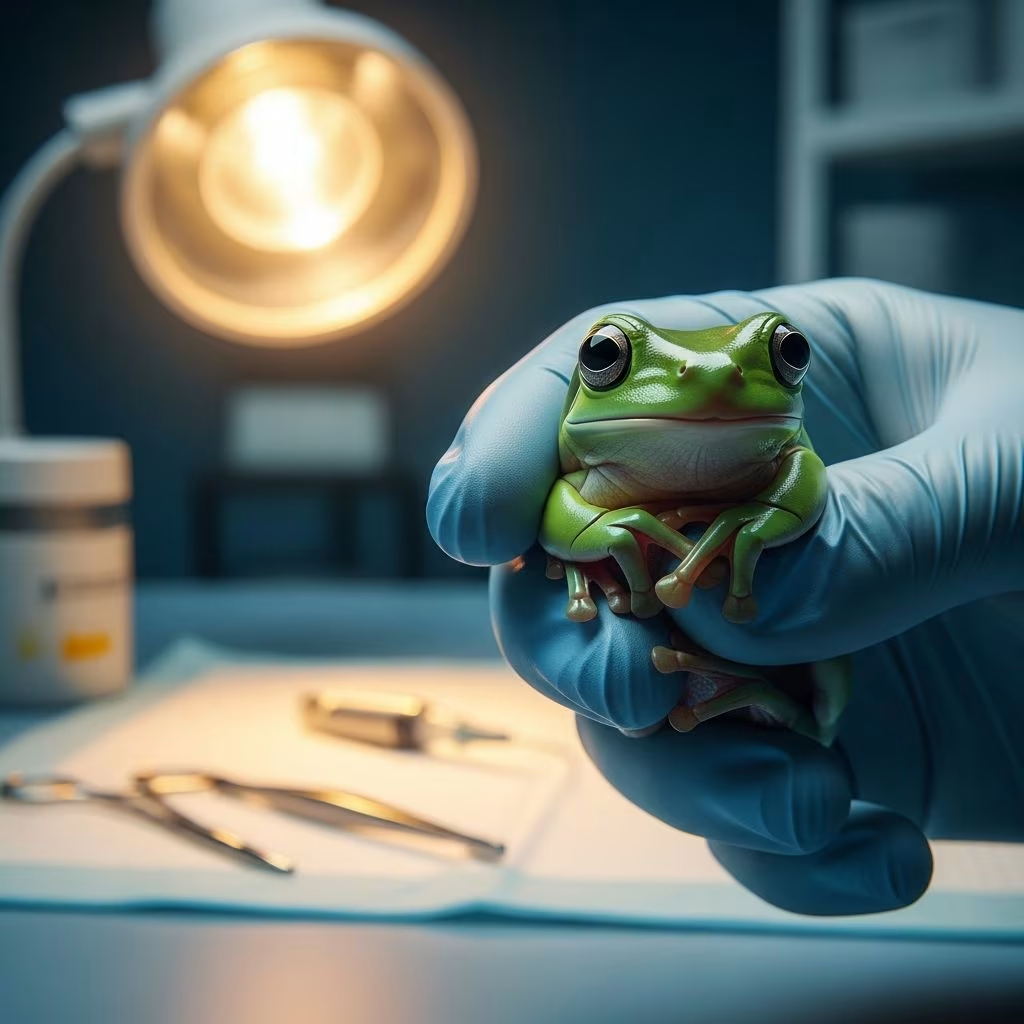
This guide explains how to recognize amphibian emergencies and respond with safe, prompt stabilization. It covers hydration, temperature control, wound care, anesthesia,…
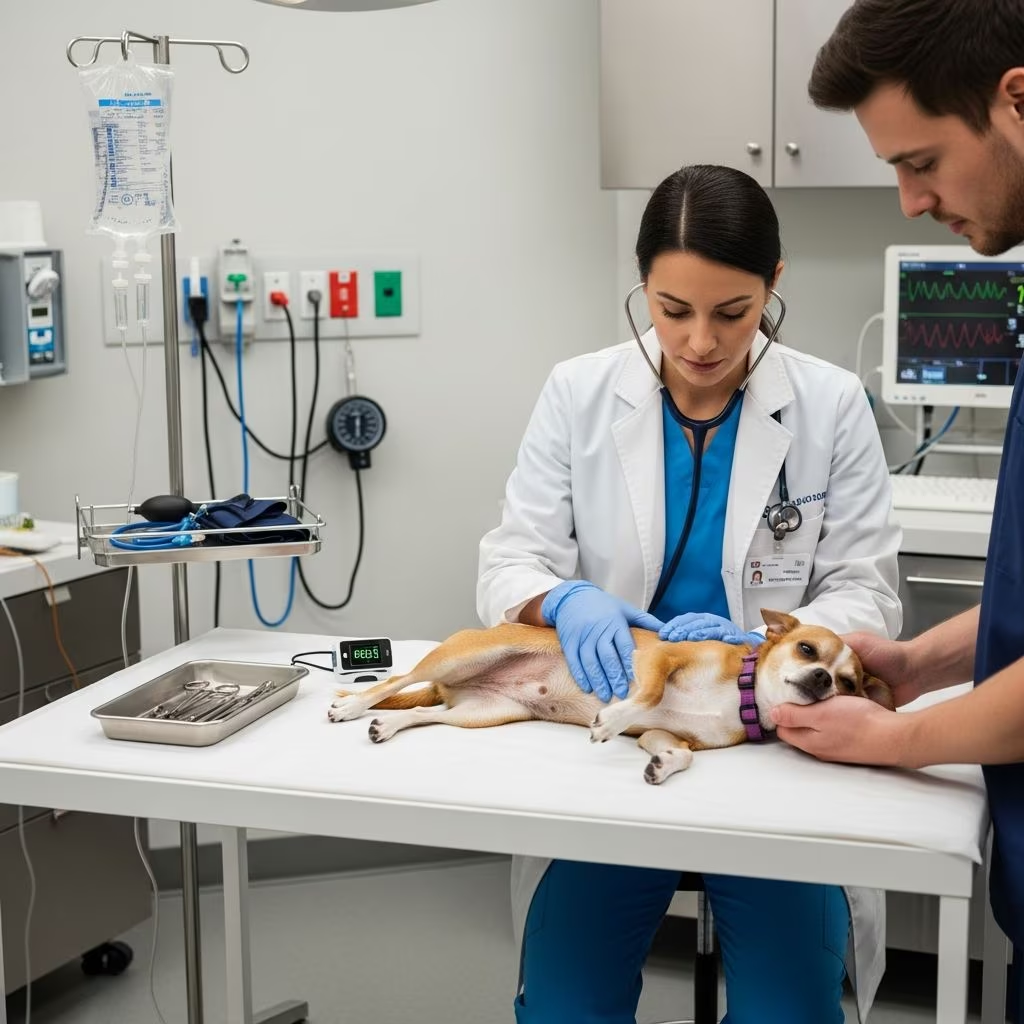
The secondary assessment is the next critical step after initial veterinary triage, helping clinicians uncover underlying problems once life-threatening issues are stabilized.…
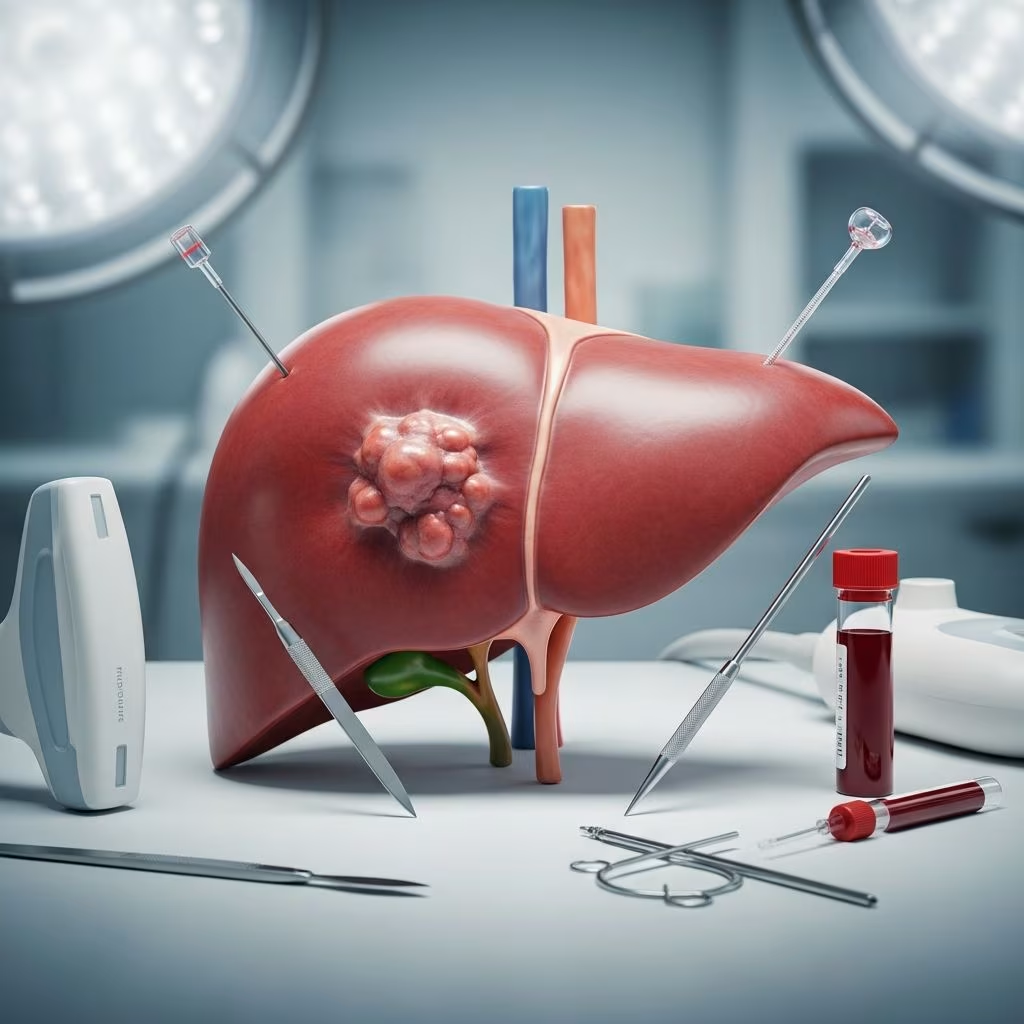
Hepatic neoplasia in horses and ruminants is uncommon but clinically important, often causing weight loss, lethargy, and liver dysfunction. Diagnosis relies on…
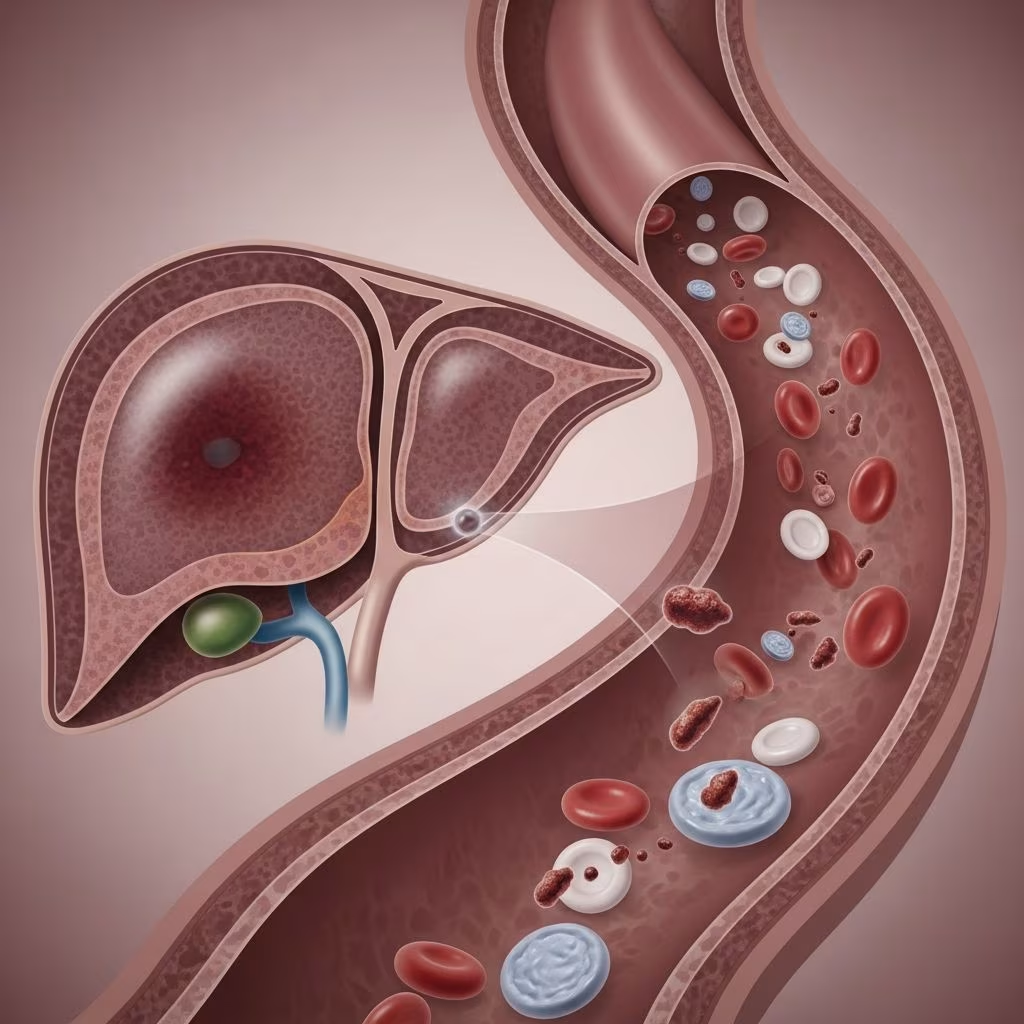
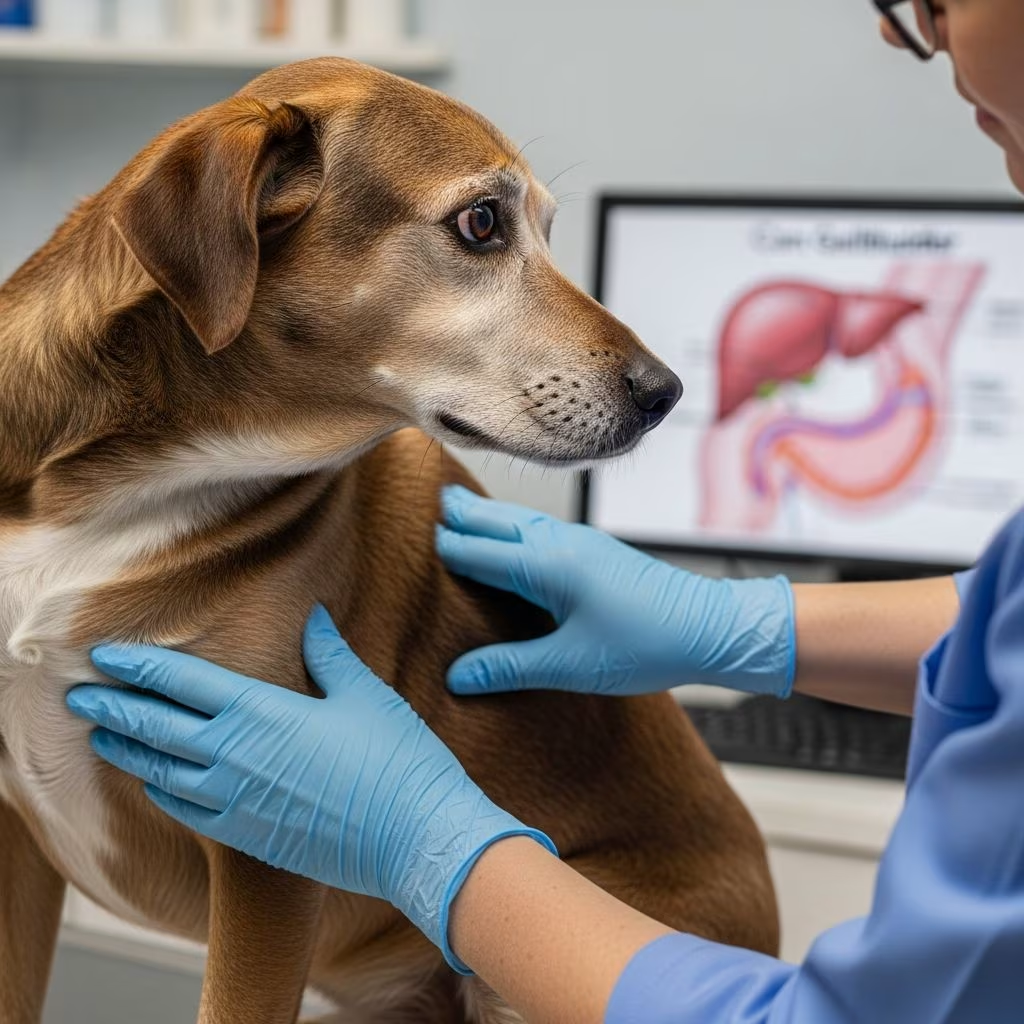
Hepatobiliary disease can cause vague symptoms in dogs and cats, from appetite loss and vomiting to jaundice and seizures. Early recognition, testing,…
Hyperbilirubinemia in large animals causes jaundice and can stem from hemolysis, liver disease, or bile obstruction. Horses, cattle, sheep, and goats differ…